Analysis of "南乡子·登京口北固亭有怀" - Classical Chinese Poetry
Introduction
The poem "南乡子·登京口北固亭有怀" (Nán xiāng zǐ · Dēng Jīngkǒu Běigù Tíng Yǒu Huái) was written by Xin Qiji (辛弃疾, 1140–1207), a renowned military strategist and poet of the Southern Song Dynasty. Known for his ci (lyric poetry) style, Xin Qiji often expressed his patriotism and frustration over the dynasty's inability to reclaim northern territories lost to the Jurchen-led Jin Dynasty.
This poem reflects Xin Qiji’s longing for heroic figures of the past while lamenting the political weakness of his time. It is celebrated for its bold imagery, emotional depth, and historical allusions, making it a masterpiece of Chinese classical poetry.
The Poem: Full Text and Translation
Original Text, Pinyin, and Translation
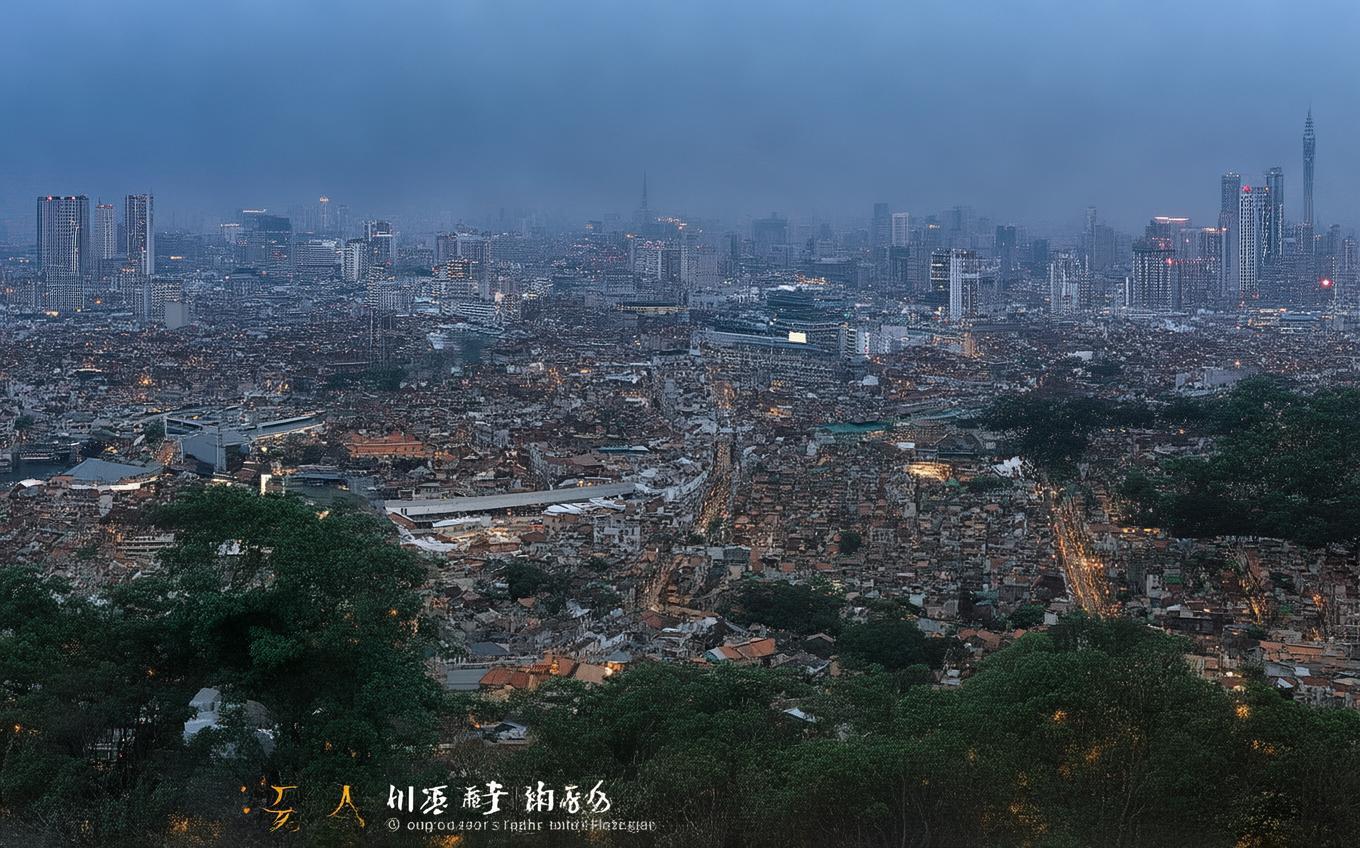
何处望神州?满眼风光北固楼。
Hé chù wàng Shénzhōu? Mǎn yǎn fēngguāng Běigù lóu.
Where can I gaze upon the Central Plains? The Northern Solitude Tower offers a splendid view.千古兴亡多少事?悠悠。不尽长江滚滚流。
Qiān gǔ xīng wáng duōshǎo shì? Yōuyōu. Bù jìn Cháng Jiāng gǔngǔn liú.
How many dynasties have risen and fallen through the ages? Endless. Like the ceaseless flow of the Yangtze River.年少万兜鍪,坐断东南战未休。
Niánshào wàn dōumóu, zuò duàn dōngnán zhàn wèi xiū.
In youth, he commanded countless warriors, securing the southeast in endless war.天下英雄谁敌手?曹刘。生子当如孙仲谋。
Tiānxià yīngxióng shuí díshǒu? Cáo Liú. Shēng zǐ dāng rú Sūn Zhòngmóu.
Who in the world could rival him? Only Cao Cao and Liu Bei. A man should have a son like Sun Quan.
Line-by-Line Analysis
-
"何处望神州?满眼风光北固楼。"
- The poet gazes toward "神州" (Shénzhōu, the Central Plains), the heartland of Chinese civilization, now lost to invaders.
- The Northern Solitude Tower (北固楼) serves as a vantage point, heightening the contrast between the beauty of the landscape and the sorrow of lost territory. -
"千古兴亡多少事?悠悠。不尽长江滚滚流。"
- Xin Qiji reflects on the rise and fall of dynasties, evoking a sense of historical inevitability.
- The Yangtze River symbolizes the relentless passage of time, emphasizing that human struggles are transient compared to nature’s permanence. -
"年少万兜鍪,坐断东南战未休。"
- This refers to Sun Quan (孙权), the young warlord of the Three Kingdoms period, who defended southeastern China against northern rivals.
- The phrase "坐断东南" (securing the southeast) highlights Sun Quan’s military prowess, contrasting with the Southern Song’s passive stance. -
"天下英雄谁敌手?曹刘。生子当如孙仲谋。"
- The poet praises Sun Quan by comparing him to Cao Cao and Liu Bei, legendary figures of the Three Kingdoms.
- The final line—"A man should have a son like Sun Quan"—expresses Xin Qiji’s yearning for strong leadership in his own time.
Themes and Symbolism
Patriotism and Historical Reflection
- The poem mourns the loss of northern China while celebrating past heroes who resisted invaders.
- Xin Qiji subtly criticizes the Southern Song’s weakness by glorifying Sun Quan’s defiance.
Nature as a Metaphor for Time
- The Yangtze River represents eternity, dwarfing human conflicts while reminding readers of history’s cyclical nature.
Heroism and Legacy
- Sun Quan symbolizes ideal leadership—brave, strategic, and unyielding. Xin Qiji’s admiration underscores his frustration with contemporary rulers.
Cultural Context
- Written during the Southern Song Dynasty (1127–1279), a period of military decline and cultural flourishing.
- Xin Qiji, a former warrior, used poetry to express his unfulfilled ambition to reclaim the north.
- The poem draws on Three Kingdoms lore, a popular source of inspiration for Chinese writers, to critique his era’s leadership.
Conclusion
"南乡子·登京口北固亭有怀" is a powerful blend of historical nostalgia, political critique, and lyrical beauty. Xin Qiji’s lament for lost glory remains relevant today, resonating with anyone who has witnessed the decline of a great nation.
Through vivid imagery and historical parallels, the poem transcends time, offering a timeless meditation on courage, legacy, and the weight of history. For modern readers, it serves as both a masterpiece of classical poetry and a poignant reminder of the enduring human spirit.
Would you like a deeper exploration of any specific line or historical reference?

Comments (0)
No comments yet. Be the first to comment!