
Analysis of "绝句二首" - Classical Chinese Poetry
Introduction
The "绝句二首" (Juéjù èr shǒu) or "Two Quatrains" is a pair of short poems by the Tang Dynasty poet Du Fu (杜甫, 712–770), one of China's greatest literary figures. Known as the "Poet Sage," Du Fu wrote during a turbulent period marked by the An Lushan Rebellion, which deeply influenced his works. These quatrains exemplify his mastery of the jueju form—a concise four-line poem with strict tonal patterns. The poems blend vivid natural imagery with subtle emotional depth, reflecting both the beauty of the world and the poet's quiet introspection.
The Poem: Full Text and Translation
绝句二首 (其一)
First Quatrain
迟日江山丽
Chí rì jiāngshān lì
The sun lingers; rivers and mountains glow.春风花草香
Chūnfēng huā cǎo xiāng
Spring winds carry the scent of flowers and grass.泥融飞燕子
Ní róng fēi yànzi
Thawing mud invites swallows in flight.沙暖睡鸳鸯
Shā nuǎn shuì yuānyāng
Warm sands cradle sleeping mandarin ducks.
绝句二首 (其二)
Second Quatrain
江碧鸟逾白
Jiāng bì niǎo yú bái
The river so blue, birds gleam whiter.山青花欲燃
Shān qīng huā yù rán
Mountains so green, flowers seem aflame.今春看又过
Jīn chūn kàn yòu guò
This spring, I watch it pass once more.何日是归年
Hé rì shì guī nián
Oh, when will the year of my return come?
Line-by-Line Analysis
First Quatrain
-
"The sun lingers; rivers and mountains glow."
- The "lingering sun" (chí rì) suggests the long daylight of spring, casting brilliance over the landscape.
- Du Fu paints a serene, expansive scene, emphasizing harmony in nature. -
"Spring winds carry the scent of flowers and grass."
- Appeals to the senses—fragrance and touch—immersing the reader in spring’s vitality. -
"Thawing mud invites swallows in flight."
- Swallows symbolize renewal; their return mirrors nature’s awakening.
- The verb "invites" (róng) personifies the mud, suggesting warmth and welcome. -
"Warm sands cradle sleeping mandarin ducks."
- Mandarin ducks represent marital bliss in Chinese culture, adding a layer of tranquility.
Second Quatrain
-
"The river so blue, birds gleam whiter."
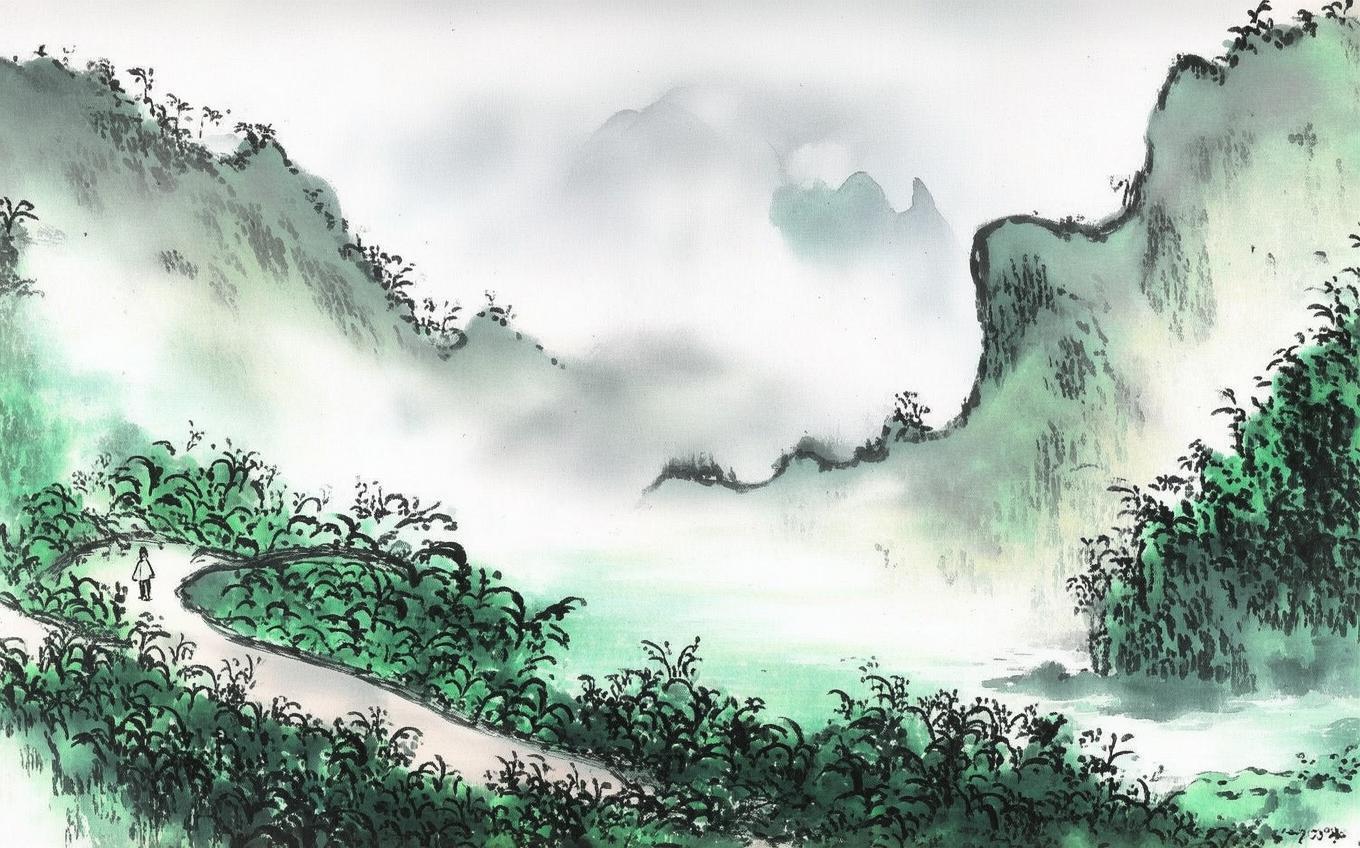
- Vivid color contrast heightens the scene’s beauty, almost like a painted scroll. -
"Mountains so green, flowers seem aflame."
- The metaphor of fire (yù rán) conveys the intensity of spring’s colors. -
"This spring, I watch it pass once more."
- A shift in tone: the poet’s observation turns melancholic as time slips away. -
"Oh, when will the year of my return come?"
- The final line reveals Du Fu’s longing for home, likely written during his exile.
Themes and Symbolism
Nature’s Transience and Human Longing
- The first quatrain celebrates spring’s beauty, while the second juxtaposes it with the poet’s solitude.
- Swallows and mandarin ducks symbolize harmony, contrasting with Du Fu’s displacement.
Color Imagery
- Blue rivers, white birds, green mountains, and fiery flowers create a vibrant yet fleeting world.
Philosophical Undertones
- Reflects Confucian ideals of harmony with nature and Daoist appreciation for simplicity.
- The closing question echoes the universal human yearning for belonging.
Cultural Context
Du Fu wrote these poems late in life, during the Tang Dynasty’s decline. While exiled from the capital, he observed nature’s cycles as a counterpoint to human suffering. The jueju form, with its brevity, forces precision—each word carries weight. These poems are quintessential "lyric sketches" (shanshui poetry), where nature mirrors emotion.
Conclusion
Du Fu’s "绝句二首" masterfully balances beauty and melancholy. Through crisp imagery and restrained language, he captures both the splendor of spring and the ache of exile. For modern readers, the poems resonate as meditations on impermanence and the search for home. Their enduring appeal lies in this duality—a fleeting moment of peace, forever preserved in verse.
Final Thought: In just eight lines, Du Fu reminds us that poetry can hold the vastness of a landscape and the quietest sigh of the heart.

Comments (0)
No comments yet. Be the first to comment!