
Analysis of "渔翁" - Classical Chinese Poetry
Introduction
The poem "渔翁" (Yú Wēng, "The Old Fisherman") is a celebrated work by the Tang Dynasty poet Liu Zongyuan (柳宗元, 773–819). A prominent statesman and literary figure, Liu was known for his reflective and often melancholic poetry, written during his political exile in remote regions of China. "渔翁" exemplifies the Tang Dynasty's deep appreciation for nature and solitude, capturing the serene yet solitary life of a fisherman on the river. This poem is significant for its vivid imagery and its embodiment of Daoist ideals—harmony with nature and detachment from worldly concerns.
The Poem: Full Text and Translation
渔翁夜傍西岩宿
Yú wēng yè bàng xī yán sù
The old fisherman spends the night by western cliffs,晓汲清湘燃楚竹
Xiǎo jí qīng xiāng rán chǔ zhú
At dawn, he draws clear Xiang water, lights bamboo from Chu.烟销日出不见人
Yān xiāo rì chū bú jiàn rén
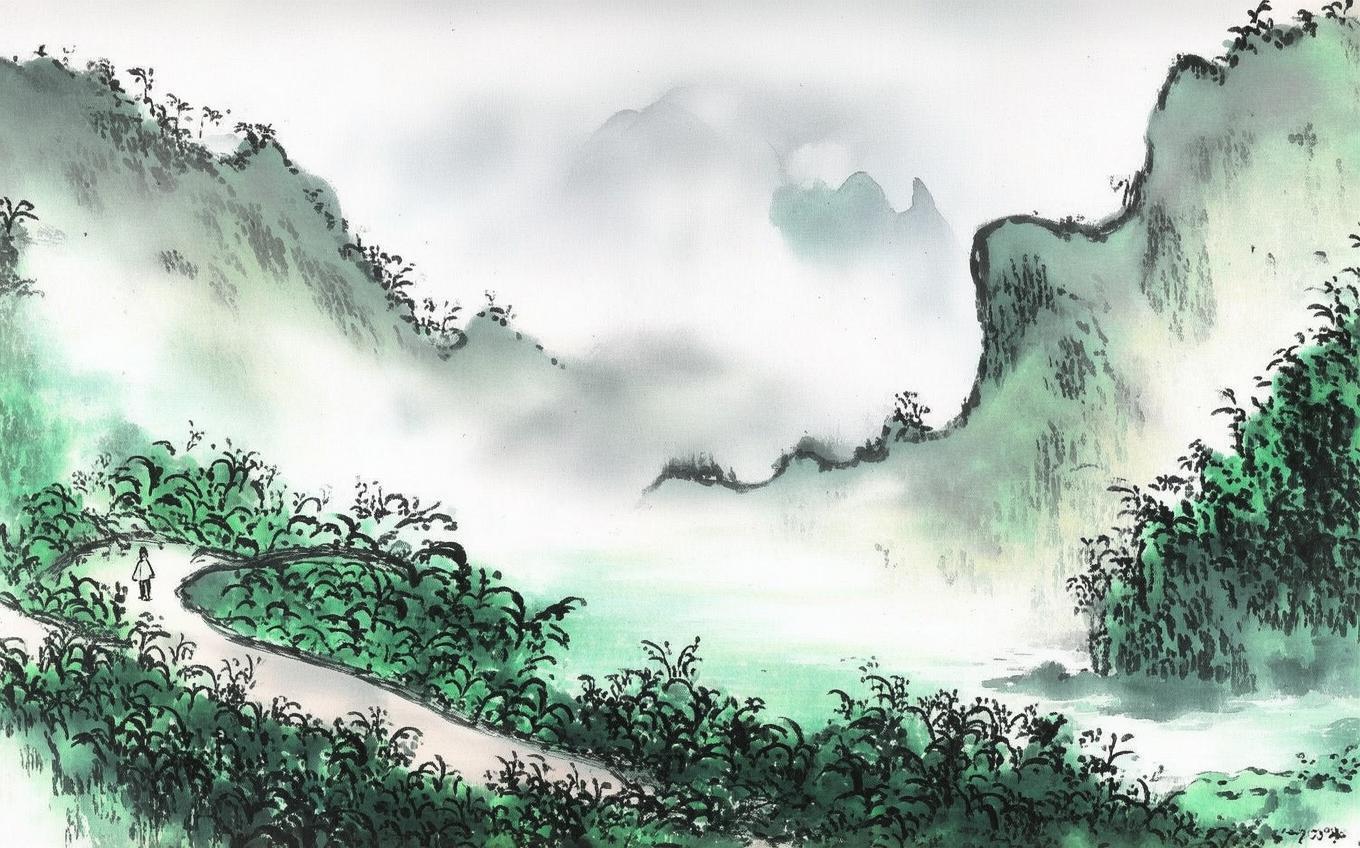
Mist dissolves, sun rises—no one is seen,欸乃一声山水绿
Ái nǎi yī shēng shān shuǐ lǜ
Only the creak of oars—mountains and water turn green.回看天际下中流
Huí kàn tiān jì xià zhōng liú
Turning back, he gazes at the sky’s edge, midstream,岩上无心云相逐
Yán shàng wú xīn yún xiāng zhú
On the cliffs, carefree clouds chase one another.
Line-by-Line Analysis
-
"The old fisherman spends the night by western cliffs"
The poem opens with the fisherman settling near rugged cliffs, suggesting a life of simplicity and closeness to nature. The "western cliffs" may symbolize remoteness, reflecting Liu Zongyuan’s own exile. -
"At dawn, he draws clear Xiang water, lights bamboo from Chu"
The Xiang River and Chu bamboo evoke the lush, unspoiled landscapes of southern China. The act of drawing water and lighting a fire underscores self-sufficiency, a Daoist ideal of living in harmony with the environment. -
"Mist dissolves, sun rises—no one is seen"
The transition from night to day mirrors the fisherman’s solitude. The vanishing mist suggests the ephemeral nature of worldly illusions, a common theme in Chinese philosophy. -
"Only the creak of oars—mountains and water turn green"
The sound of the oar (ǎi nǎi) breaks the silence, emphasizing the fisherman’s quiet existence. The "green" landscape symbolizes renewal and the vitality of nature. -
"Turning back, he gazes at the sky’s edge, midstream"
The fisherman looks back, perhaps reflecting on his journey. The vast sky and flowing river evoke a sense of freedom and impermanence. -
"On the cliffs, carefree clouds chase one another"
The "carefree clouds" (wú xīn yún) symbolize detachment and spontaneity, a core Daoist concept. Their playful movement contrasts with human struggles, highlighting nature’s effortless harmony.
Themes and Symbolism
- Solitude and Freedom: The fisherman’s solitary life represents liberation from societal constraints, a theme resonant with Liu Zongyuan’s exile.
- Nature’s Transcendence: The poem contrasts human transience with nature’s timeless beauty, a recurring motif in Chinese poetry.
- Daoist Harmony: The fisherman’s routine reflects wu wei (effortless action), aligning with Daoist teachings of flowing with natural rhythms.
Cultural Context
Written during the Tang Dynasty (618–907), a golden age of Chinese poetry, "渔翁" reflects the era’s blend of Confucian duty and Daoist escapism. Liu Zongyuan, exiled for political reasons, often wrote about recluses and nature as metaphors for his own disillusionment. The poem’s imagery—the Xiang River, Chu bamboo—draws from southern China’s cultural and geographical identity, revered for its purity and poetic inspiration.
Conclusion
"渔翁" is a masterpiece of understated beauty, capturing the quiet dignity of a life lived in tune with nature. Its themes of solitude, freedom, and harmony remain universally resonant, offering modern readers a meditative escape from the chaos of contemporary life. Through Liu Zongyuan’s lens, we glimpse not just a fisherman’s day but a timeless philosophy of simplicity and peace.

Comments (0)
No comments yet. Be the first to comment!