Analysis of "普天乐·西山夕照" - Classical Chinese Poetry
Introduction
"普天乐·西山夕照" (Pǔ Tiān Lè·Xī Shān Xī Zhào, "Universal Joy: Sunset Over Western Hills") is a sanqu (散曲, a type of lyrical verse) from the Yuan Dynasty (1271–1368), a golden age of Chinese poetry and drama. The poem is attributed to Xu Zaisi (徐再思), a renowned poet of the time known for his evocative and melancholic style.
This poem captures the fleeting beauty of a sunset over the Western Hills, blending natural imagery with a sense of transience and solitude. It reflects the Yuan Dynasty's artistic shift toward more personal and emotional expression, moving away from the rigid forms of earlier Tang and Song poetry.
The Poem: Full Text and Translation
普天乐·西山夕照
Pǔ Tiān Lè·Xī Shān Xī Zhào
Universal Joy: Sunset Over Western Hills晚云收,
Wǎn yún shōu,
Evening clouds disperse,夕阳挂,
Xī yáng guà,
The setting sun hangs,一川枫叶芦花。
Yī chuān fēng yè lú huā.
A riverbank of maple leaves and reed flowers.孤村落日残霞,
Gū cūn luò rì cán xiá,
A lone village, setting sun, fading sunset glow,轻烟老树寒鸦。
Qīng yān lǎo shù hán yā.
Wispy mist, ancient trees, chilly crows.一点飞鸿影下,
Yī diǎn fēi hóng yǐng xià,
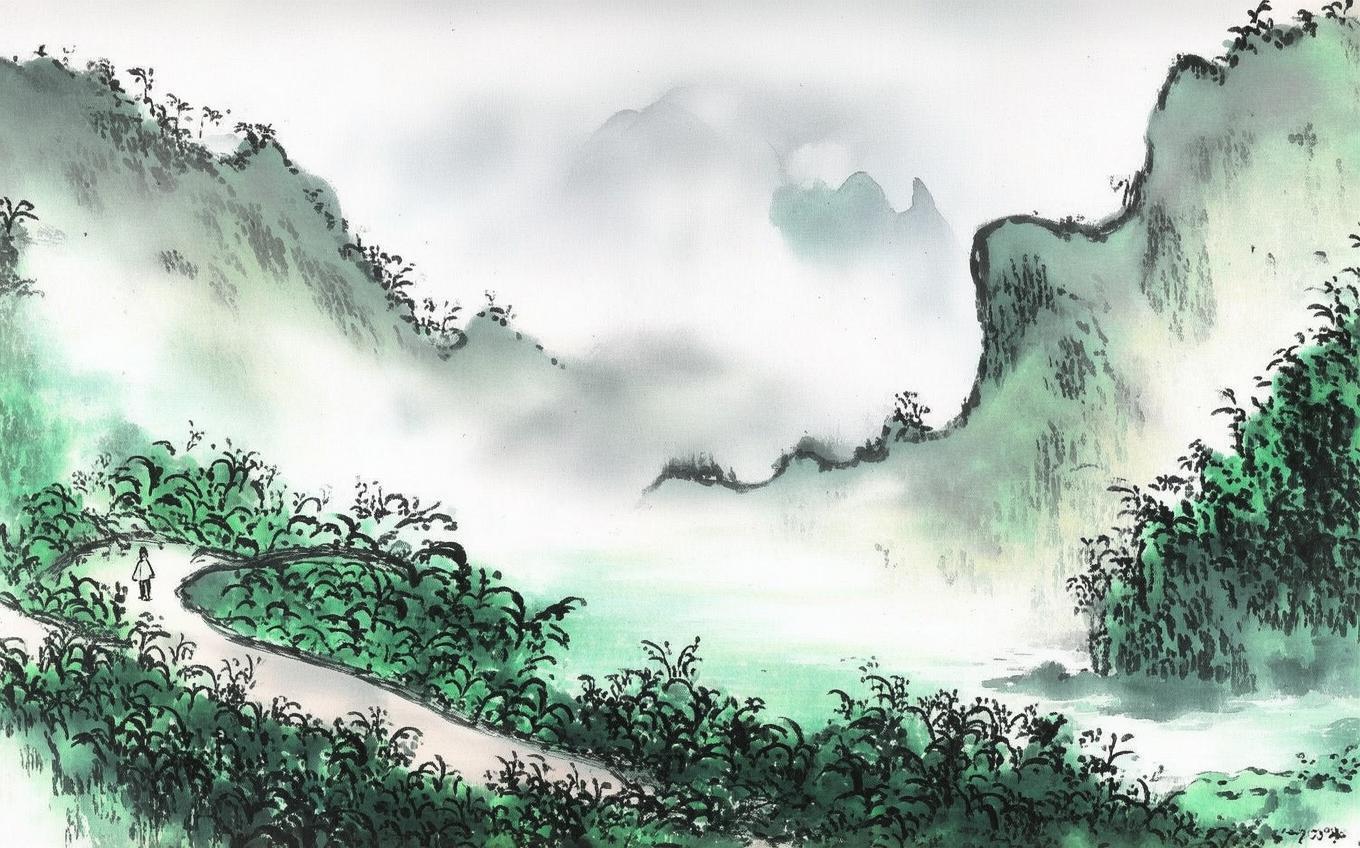
A single dot—a flying swan’s shadow dips low,青山绿水,
Qīng shān lǜ shuǐ,
Blue mountains, green waters,白草红叶黄花。
Bái cǎo hóng yè huáng huā.
White grass, red leaves, yellow blooms.
Line-by-Line Analysis
-
"Evening clouds disperse, / The setting sun hangs"
The opening lines set a tranquil yet melancholic tone, depicting the transition from day to night. The "dispersing clouds" suggest impermanence, a common theme in Chinese poetry. -
"A riverbank of maple leaves and reed flowers"
Vivid autumnal imagery—maple leaves (red) and reed flowers (pale)—creates a contrast between warmth and desolation, symbolizing the passage of time. -
"A lone village, setting sun, fading sunset glow"
The "lone village" emphasizes solitude, while the "fading glow" hints at life’s ephemeral beauty. -
"Wispy mist, ancient trees, chilly crows"
The "chilly crows" (hán yā) are a classic symbol of loneliness in Chinese poetry, reinforcing the poem’s wistful mood. -
"A single dot—a flying swan’s shadow dips low"
The swan (hóng, often a symbol of messages or distant longing) adds motion to the scene, perhaps representing a traveler or unfulfilled desires. -
"Blue mountains, green waters, / White grass, red leaves, yellow blooms"
The final lines burst with color, juxtaposing nature’s vibrancy against the earlier melancholy. The "white grass" suggests winter’s approach, closing the poem with a cyclical view of time.
Themes and Symbolism
-
Transience (无常, wú cháng)
The sunset, fading light, and seasonal imagery underscore life’s fleeting nature, a core concept in Daoist and Buddhist thought. -
Solitude
The "lone village" and "chilly crows" reflect the poet’s (or observer’s) isolation, a recurring theme in Yuan-era poetry amid political turmoil. -
Harmony with Nature
Despite the melancholy, the poem finds beauty in nature’s cycles, aligning with Confucian and Daoist ideals of balance.
Cultural Context
The Yuan Dynasty, ruled by the Mongols, was a time of cultural fusion and artistic innovation. Sanqu poetry like this was often performed with music, blending refined language with folk influences. Xu Zaisi’s work typifies the era’s introspective style, where poets turned to nature to express unspoken emotions—especially during a period when Han Chinese scholars faced political marginalization.
Conclusion
"普天乐·西山夕照" is a masterclass in economy of words and depth of feeling. Its vivid imagery—swirling clouds, rustling reeds, and a solitary swan—paints a scene that is both serene and sorrowful, inviting readers to ponder life’s fleeting moments.
Today, the poem resonates as a reminder to cherish beauty amid impermanence, a timeless message that transcends cultures. Whether you’re watching a sunset or reflecting on change, Xu Zaisi’s words offer a quiet, poignant companion.
"A single dot—a flying swan’s shadow dips low"—perhaps, like the poet, we’re all fleeting figures in nature’s grand canvas.*


Comments (0)
No comments yet. Be the first to comment!