
Analysis of "江南" - Classical Chinese Poetry
Introduction
The poem "江南" (Jiāngnán) is a famous folk song from the Han Dynasty (206 BCE–220 CE), collected in the Yuefu (乐府) anthology, which comprises ancient Chinese poems and songs. The Yuefu tradition was originally part of the imperial music bureau's efforts to document folk songs and ceremonial music.
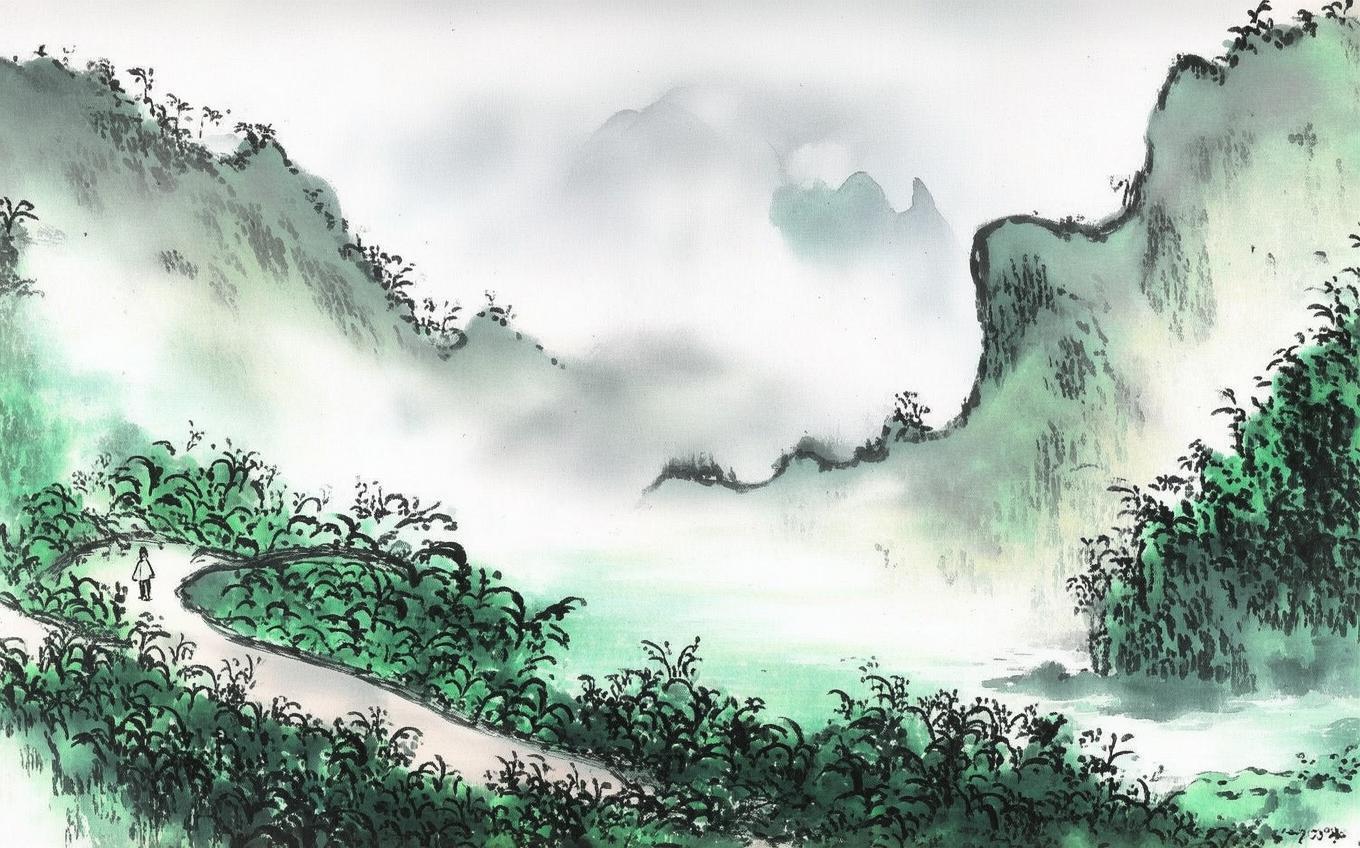
"江南" is a simple yet evocative poem that celebrates the beauty and abundance of the Jiangnan region (south of the Yangtze River). It is one of the earliest surviving examples of Chinese folk poetry and remains beloved for its rhythmic charm and vivid imagery.
The Poem: Full Text and Translation
江南可采莲
Jiāngnán kě cǎi lián
In Jiangnan, one can gather lotus.莲叶何田田
Lián yè hé tiántián
How lush and dense the lotus leaves are!鱼戏莲叶间
Yú xì lián yè jiān
Fish play among the lotus leaves—鱼戏莲叶东
Yú xì lián yè dōng
Fish play east of the lotus leaves,鱼戏莲叶西
Yú xì lián yè xī
Fish play west of the lotus leaves,鱼戏莲叶南
Yú xì lián yè nán
Fish play south of the lotus leaves,鱼戏莲叶北
Yú xì lián yè běi
Fish play north of the lotus leaves.
Line-by-Line Analysis
-
"江南可采莲" – The poem opens with an invitation to gather lotus flowers, a common activity in Jiangnan, a region known for its waterways and lush vegetation. The lotus symbolizes purity and prosperity in Chinese culture.
-
"莲叶何田田" – The repetition of "田田" (tiántián) mimics the dense, overlapping layers of lotus leaves, creating a vivid image of abundance.
-
"鱼戏莲叶间" – The playful fish symbolize joy and vitality. The movement of fish among the leaves suggests harmony between nature and life.
-
Repetition of directions (东, 西, 南, 北) – The fish darting in all directions create a sense of liveliness and boundless energy. The repetition also gives the poem a rhythmic, almost musical quality, fitting its origin as a folk song.
Themes and Symbolism
- Nature’s Abundance: The poem highlights the fertility and beauty of Jiangnan, a region idealized in Chinese literature for its scenic landscapes.
- Joy and Vitality: The playful fish represent happiness and the simple pleasures of rural life.
- Harmony: The interaction between humans (gathering lotus) and nature (fish, plants) reflects the Confucian and Daoist ideals of living in balance with the natural world.
Cultural Context
- Yuefu Poetry: As a folk song, "江南" was likely sung during communal activities, such as lotus harvesting. The repetition and rhythm made it easy to memorize and perform.
- Lotus Symbolism: In Chinese culture, the lotus represents purity, rebirth, and enlightenment (especially in Buddhism). Its prominence in the poem underscores Jiangnan’s cultural and spiritual significance.
- Regional Pride: Jiangnan has long been celebrated in poetry as a land of prosperity and refinement, contrasting with the harsher climates of northern China.
Conclusion
"江南" is a timeless celebration of nature’s beauty and the joy found in simple moments. Its rhythmic structure and vivid imagery make it accessible even today, offering a glimpse into the pastoral life of ancient China. The poem’s enduring appeal lies in its universal themes—harmony with nature, communal joy, and the appreciation of one’s homeland.
For modern readers, "江南" serves as a reminder of the poetic beauty in everyday life and the deep cultural reverence for nature in Chinese tradition.

Comments (0)
No comments yet. Be the first to comment!