Analysis of "夏日叹" - Classical Chinese Poetry
Introduction
"夏日叹" (Xià Rì Tàn, "Summer Sigh") is a poignant poem by the renowned Tang Dynasty poet Du Fu (杜甫, 712–770), often regarded as one of China's greatest literary figures. Written during a time of political turmoil and natural disasters, the poem reflects the poet's deep concern for the suffering of common people amid a devastating drought. Du Fu's works are celebrated for their emotional depth, social consciousness, and masterful use of language, making "夏日叹" a powerful example of classical Chinese poetry's ability to blend personal emotion with broader societal critique.
The Poem: Full Text and Translation
夏日出东北,
Xià rì chū dōng běi,
The summer sun rises in the northeast,陵天经中街。
Líng tiān jīng zhōng jiē.
Its scorching rays dominate the sky.朱光彻厚地,
Zhū guāng chè hòu dì,
The red heat penetrates the deep earth,郁蒸何由开。
Yù zhēng hé yóu kāi.
How can this stifling oppression be lifted?上苍久无雷,
Shàng cāng jiǔ wú léi,
The heavens long withhold their thunder,无乃号令乖。
Wú nǎi hào lìng guāi.
As if divine order has gone astray.雨降不濡物,
Yǔ jiàng bù rú wù,
Rain falls but does not moisten the land,良田起黄埃。
Liáng tián qǐ huáng āi.
Good fields stir with yellow dust.飞鸟苦热死,
Fēi niǎo kǔ rè sǐ,
Birds perish in the cruel heat,池鱼涸其泥。
Chí yú hé qí ní.
Pond fish lie stranded in dried mud.万人尚流冗,
Wàn rén shàng liú rǒng,
Thousands still wander as refugees,举目唯蒿莱。
Jǔ mù wéi hāo lái.
Everywhere, only weeds meet the eye.
Line-by-Line Analysis
-
"The summer sun rises in the northeast..."
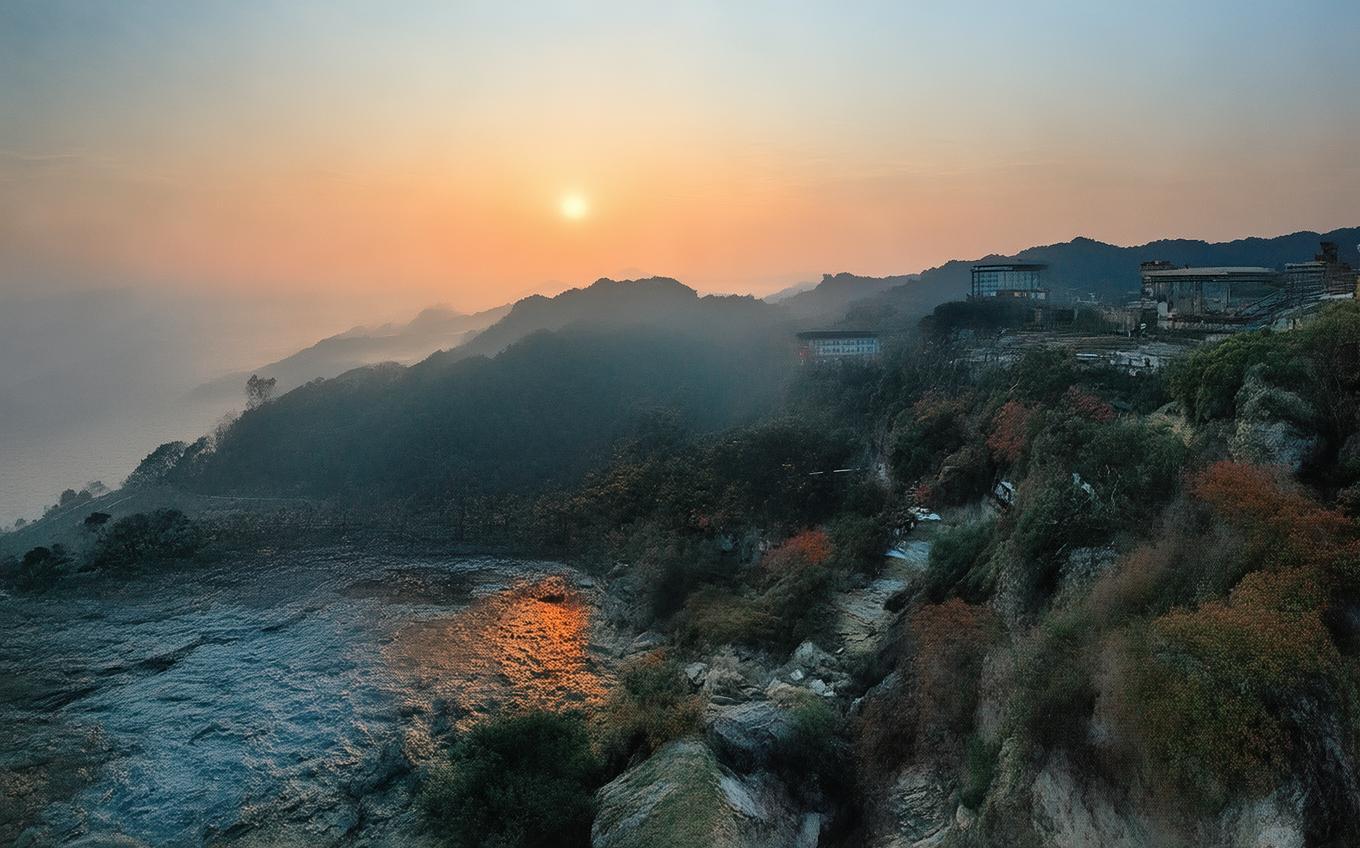
The poem opens with an image of an unrelenting sun, symbolizing both natural and political oppression. The direction "northeast" may hint at the origin of the Tang Dynasty's troubles (e.g., rebellions). -
"The red heat penetrates the deep earth..."
The "red heat" (Zhū guāng) suggests an almost apocalyptic intensity, while "stifling oppression" (Yù zhēng) reflects societal suffocation under poor governance. -
"The heavens long withhold their thunder..."
The absence of rain and thunder implies a breakdown in cosmic and moral order, a common metaphor in Chinese poetry for misrule. -
"Rain falls but does not moisten the land..."
Even when rain comes, it fails to alleviate suffering, emphasizing despair. The "yellow dust" (huáng āi) symbolizes barrenness and decay. -
"Birds perish in the cruel heat..."
The death of birds and fish underscores the ecosystem's collapse, mirroring human hardship. -
"Thousands still wander as refugees..."
The final lines shift to human suffering, with "weeds" (hāo lái) representing neglect and desolation.
Themes and Symbolism
- Nature as a Mirror of Society: The drought reflects the Tang Dynasty's political failures, a hallmark of Du Fu's work.
- Suffering and Empathy: The poem voices the plight of the marginalized, showcasing Du Fu's Confucian concern for the people.
- Cosmic Disorder: The disrupted natural order critiques poor leadership, aligning with the ancient Chinese belief in the "Mandate of Heaven."
Cultural Context
Written during the An Lushan Rebellion (755–763), a period of chaos and famine, "夏日叹" embodies Du Fu's role as the "Poet-Historian." His works often documented societal crises, blending personal anguish with collective trauma. The poem also reflects Daoist and Confucian ideals—harmony with nature and ruler accountability—while its vivid imagery influenced later Chinese literature.
Conclusion
"夏日叹" is a masterpiece of emotional and social resonance, capturing the intersection of human and environmental vulnerability. Its themes of injustice and resilience remain strikingly relevant today, reminding us of art's power to bear witness to suffering. Through Du Fu's eyes, we see not just a summer's cruelty, but a timeless call for compassion and justice.

Comments (0)
No comments yet. Be the first to comment!