Analysis of "送崔十二游天竺寺" - Classical Chinese Poetry
Introduction
The poem "送崔十二游天竺寺" ("Seeing Cui Twelve Off to Visit Tianzhu Temple") is attributed to the Tang Dynasty poet Li Bai (李白), one of China's most celebrated literary figures. Known as the "Immortal Poet," Li Bai's works are renowned for their romanticism, vivid imagery, and emotional depth. This particular poem reflects themes of friendship, spiritual journey, and the beauty of nature—a hallmark of Li Bai's style.
Tianzhu Temple, located near Hangzhou, was a significant Buddhist site during the Tang Dynasty. The poem captures the poet's emotions as he bids farewell to a friend embarking on a pilgrimage, blending admiration for the temple's serenity with a sense of melancholy at parting.
The Poem: Full Text and Translation
送崔十二游天竺寺
Sòng Cuī Shí'èr Yóu Tiānzhú Sì
Seeing Cui Twelve Off to Visit Tianzhu Temple闻道天竺寺
Wén dào Tiānzhú sì
They say Tianzhu Temple lies峰峦多秀异
Fēng luán duō xiù yì
Among peaks of rare and wondrous beauty.竹风清磬远
Zhú fēng qīng qìng yuǎn
Bamboo winds carry distant chimes of bells,潭影空心寂
Tán yǐng kōng xīn jì
Pond reflections empty the heart in stillness.暂憩临寒水
Zàn qì lín hán shuǐ
Pausing by cold waters for rest,时来扣禅扉
Shí lái kòu chán fēi
Now and then, knocking on the meditation gate.
Line-by-Line Analysis
-
闻道天竺寺 – The opening line introduces Tianzhu Temple as a place of legend, emphasizing its spiritual allure. The phrase "闻道" ("they say") suggests reverence and mystery.
-
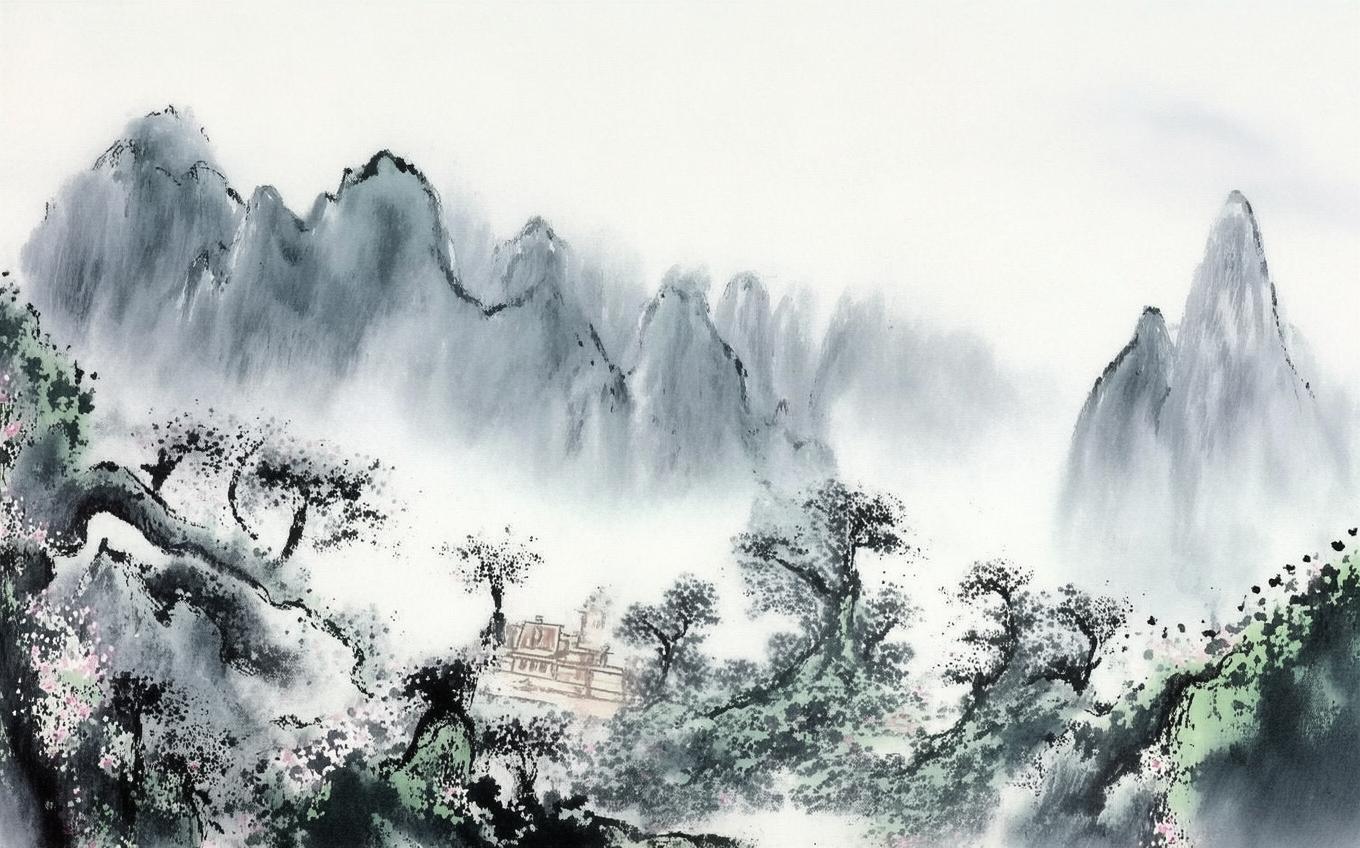
峰峦多秀异 – The temple is nestled among extraordinary mountains, highlighting the harmony between sacred architecture and natural grandeur—a key theme in Chinese landscape poetry.
-
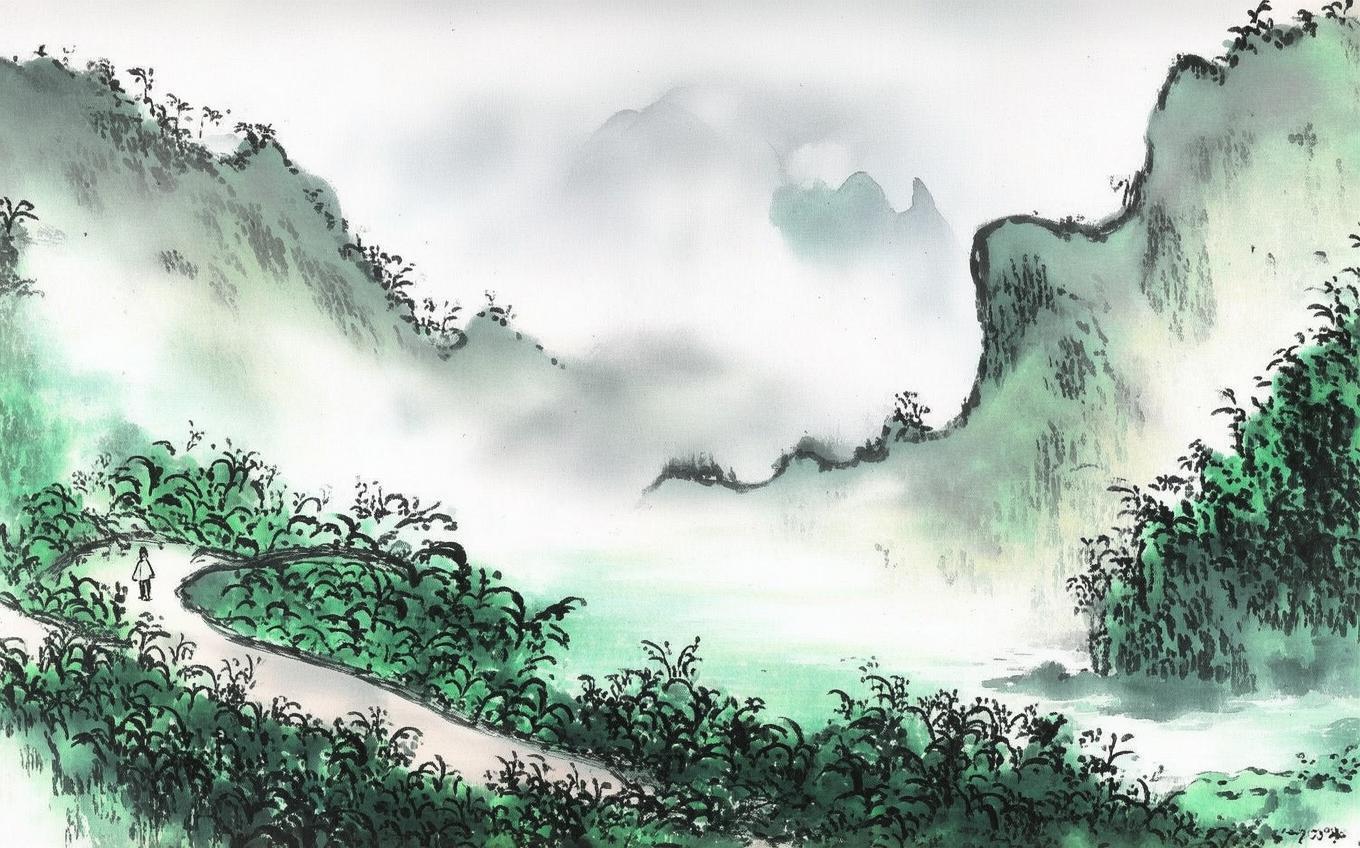
竹风清磬远 – The rustling bamboo and distant temple bells create an auditory landscape of tranquility, reinforcing Buddhism’s emphasis on inner peace.
-
潭影空心寂 – The mirrored pond symbolizes clarity and meditation, where the mind is "emptied" of worldly distractions—a Daoist and Buddhist ideal.
-
暂憩临寒水 – The cold waters suggest both physical and spiritual cleansing, a pause in the journey toward enlightenment.
-
时来扣禅扉 – The act of knocking on the temple gate represents seeking wisdom, a metaphor for the pilgrim’s (and reader’s) spiritual quest.
Themes and Symbolism
- Spiritual Journey: The poem mirrors the Buddhist path—moving from worldly beauty ("峰峦多秀异") to inner stillness ("潭影空心寂").
- Nature and Sacredness: The temple’s integration with mountains and water reflects the Chinese belief in nature as a manifestation of the divine.
- Transience and Farewell: Though a parting poem, it focuses less on sorrow and more on the eternal peace found in spiritual destinations.
Cultural Context
During the Tang Dynasty, Buddhist pilgrimages were common among scholars and officials. Li Bai, though more associated with Daoist spontaneity, often engaged with Buddhist themes in his later works. The poem exemplifies Tang-era shanshui (山水) poetry, where nature is not just scenery but a medium for philosophical reflection.
Tianzhu Temple, part of Hangzhou’s West Lake cultural region, was a retreat for poets and monks alike. The poem’s blend of sensory detail and metaphysical depth makes it a quintessential example of classical Chinese literati culture.
Conclusion
"送崔十二游天竺寺" is a masterful fusion of landscape poetry and spiritual introspection. Li Bai’s imagery—bamboo winds, temple bells, and mirrored waters—creates a meditative atmosphere that transcends time. For modern readers, the poem offers not just a glimpse into Tang Dynasty Buddhism but also an enduring lesson on finding stillness amid life’s journeys. As Li Bai might say: the true pilgrimage is in the mind’s awakening.
Would you like a deeper dive into Li Bai’s other works or comparisons with his contemporaries like Du Fu? Let me know in the comments!

Comments (0)
No comments yet. Be the first to comment!