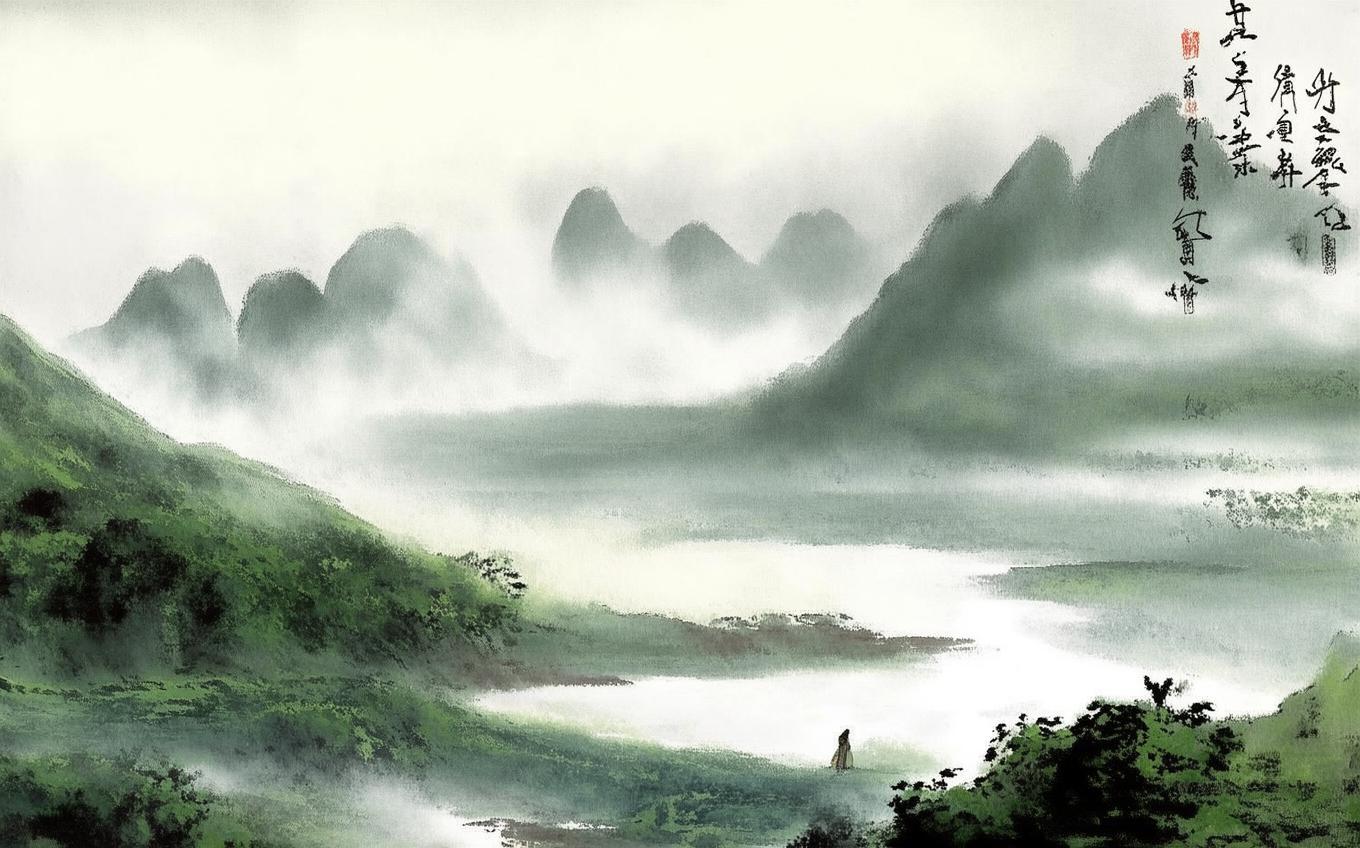
Analysis of "送郄昂谪巴中" - Classical Chinese Poetry
Introduction
The poem 送郄昂谪巴中 (Sòng Qiè Áng Zhé Bā Zhōng, "Seeing Off Qiè Áng Exiled to Bazhong") was written by the renowned Tang Dynasty poet Li Bai (李白, 701–762), one of China’s most celebrated literary figures. Known as the "Immortal Poet" for his romantic and free-spirited style, Li Bai often wrote about friendship, nature, and the sorrows of parting.
This poem reflects the Tang Dynasty tradition of farewell poetry (送别诗, sòngbié shī), where scholars and officials exchanged verses when parting ways—often due to political exile. The poem captures Li Bai’s deep sorrow over his friend Qiè Áng’s banishment to Bazhong (modern Sichuan), a remote and harsh region.
The Poem: Full Text and Translation
瑶草寒不死
Yáo cǎo hán bù sǐ
"Jade grass does not die in the cold,"移根洞庭春
Yí gēn Dòngtíng chūn
"Transplanted roots bloom by Lake Dongting in spring."如何此贵重
Rúhé cǐ guìzhòng
"How can something so precious,"复在幽涧滨?
Fù zài yōu jiàn bīn?
"Again dwell by this secluded stream?"飒飒风叶下
Sàsà fēng yè xià
"Rustling, the wind blows leaves down,"遥遥烟景曛
Yáoyáo yān jǐng xūn
"Distant mist veils the twilight scene."所嗟异风俗
Suǒ jiē yì fēngsú
"Alas, the customs there are strange,"已自少情趣
Yǐ zì shǎo qíngqù
"Already lacking warmth and grace."
Line-by-Line Analysis
- "Jade grass does not die in the cold" – The "jade grass" (yáo cǎo) symbolizes Qiè Áng’s noble character, unbroken despite hardship.
- "Transplanted roots bloom by Lake Dongting in spring" – Lake Dongting was a prosperous region; Li Bai suggests his friend deserves better than exile.
3-4. "How can something so precious, Again dwell by this secluded stream?" – A lament that a man of Qiè Áng’s worth is banished to a desolate place.
5-6. "Rustling, the wind blows leaves down, Distant mist veils the twilight scene." – The imagery evokes loneliness and uncertainty, mirroring the exile’s journey.
7-8. "Alas, the customs there are strange, Already lacking warmth and grace." – Bazhong was considered culturally backward; Li Bai worries his friend will suffer alienation.
Themes and Symbolism
- Resilience in Adversity: The "jade grass" represents enduring virtue despite suffering.
- Injustice of Exile: The poem critiques the unfairness of Qiè Áng’s banishment.
- Nature as Emotion: Wind, mist, and twilight reflect sorrow and isolation.
Cultural Context
During the Tang Dynasty, officials often faced exile due to political intrigue. Farewell poems like this were not just personal but also subtle protests against injustice. Li Bai himself experienced exile, adding depth to his empathy. The poem reflects Confucian ideals of loyalty and the Daoist appreciation of nature’s symbolism.
Conclusion
送郄昂谪巴中 is a poignant blend of personal grief and philosophical reflection. Its enduring appeal lies in its universal themes—friendship, resilience, and the struggle against misfortune. Today, it reminds us of the power of poetry to console and resist oppression, making Li Bai’s voice timeless.
"Jade grass does not die in the cold"—perhaps neither does the human spirit.

Comments (0)
No comments yet. Be the first to comment!