Analysis of "秋日鲁郡尧祠亭上宴别杜补阙范侍御" - Classical Chinese Poetry
Introduction
This poem was written by the renowned Tang Dynasty poet Li Bai (李白), often regarded as one of China's greatest literary figures. Known for his romantic and exuberant style, Li Bai frequently wrote about friendship, nature, and the fleeting nature of life.
"秋日鲁郡尧祠亭上宴别杜补阙范侍御" (Qiūrì Lǔ Jùn Yáo Cí Tíng Shàng Yàn Bié Dù Bǔquē Fàn Shìyù) translates to "Farewell Feast at the Yao Shrine Pavilion in Lu County on an Autumn Day for Du Buque and Fan Shiyu." The poem captures a moment of parting between friends, blending natural imagery with deep emotion. It reflects the Tang Dynasty's cultural emphasis on friendship, poetic expression, and the appreciation of transient beauty.
The Poem: Full Text and Translation
秋日鲁郡尧祠亭上宴别杜补阙范侍御
Qiūrì Lǔ Jùn Yáo Cí Tíng Shàng Yàn Bié Dù Bǔquē Fàn Shìyù
Farewell Feast at the Yao Shrine Pavilion in Lu County on an Autumn Day for Du Buque and Fan Shiyu我觉秋兴逸
Wǒ jué qiū xìng yì
I feel the autumn’s spirited delight,谁云秋兴悲
Shéi yún qiū xìng bēi
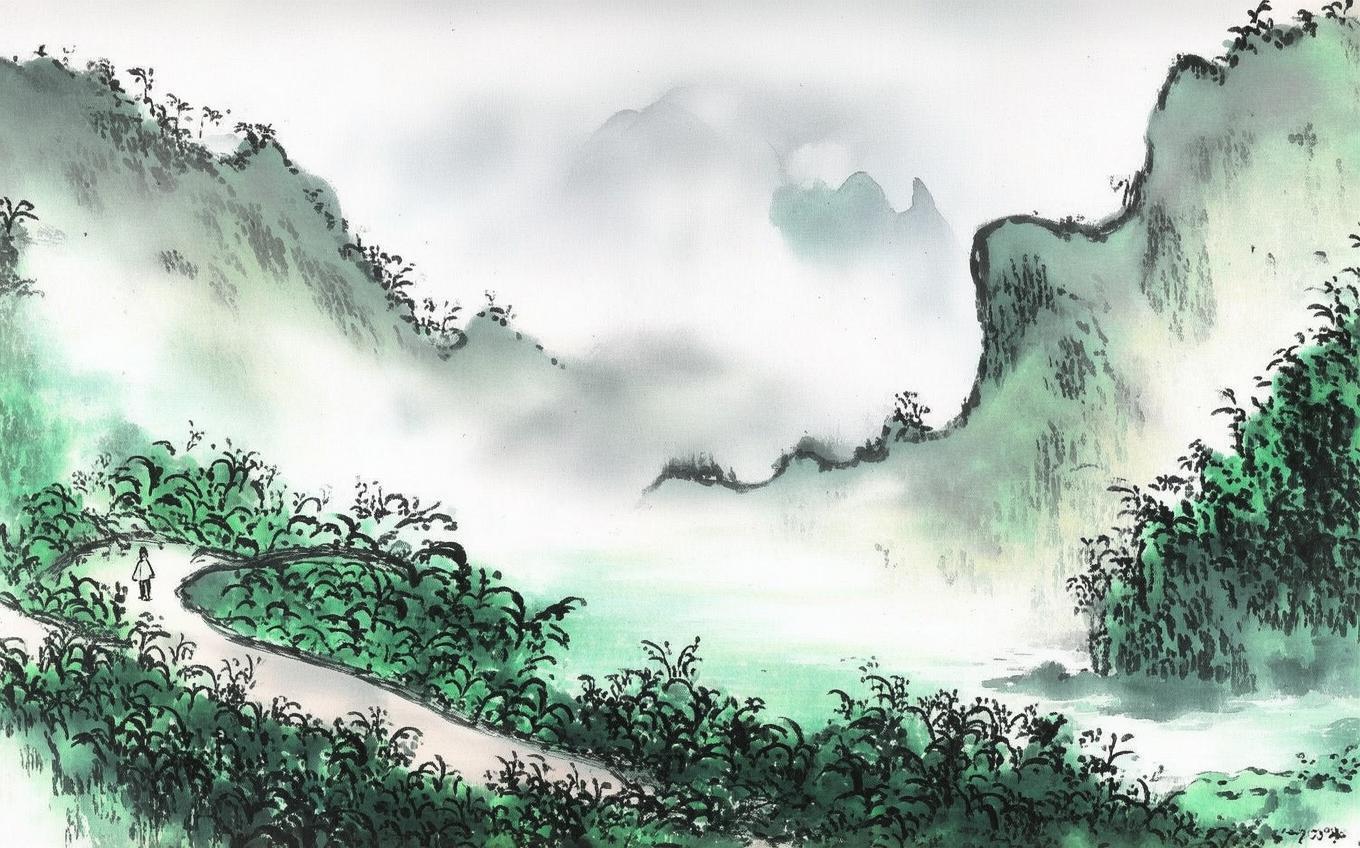
Who says autumn stirs only sorrow?山将落日去
Shān jiāng luòrì qù
The mountains carry the setting sun away,水与晴空宜
Shuǐ yǔ qíngkōng yí
The water harmonizes with the clear sky.鲁酒白玉壶
Lǔ jiǔ báiyù hú
Lu wine in white jade jugs,送行驻金羁
Sòngxíng zhù jīn jī
We halt our golden-bridled steeds to bid farewell.歇鞍憩古木
Xiē ān qì gǔ mù
Resting saddles by ancient trees,解带挂横枝
Jiě dài guà héng zhī
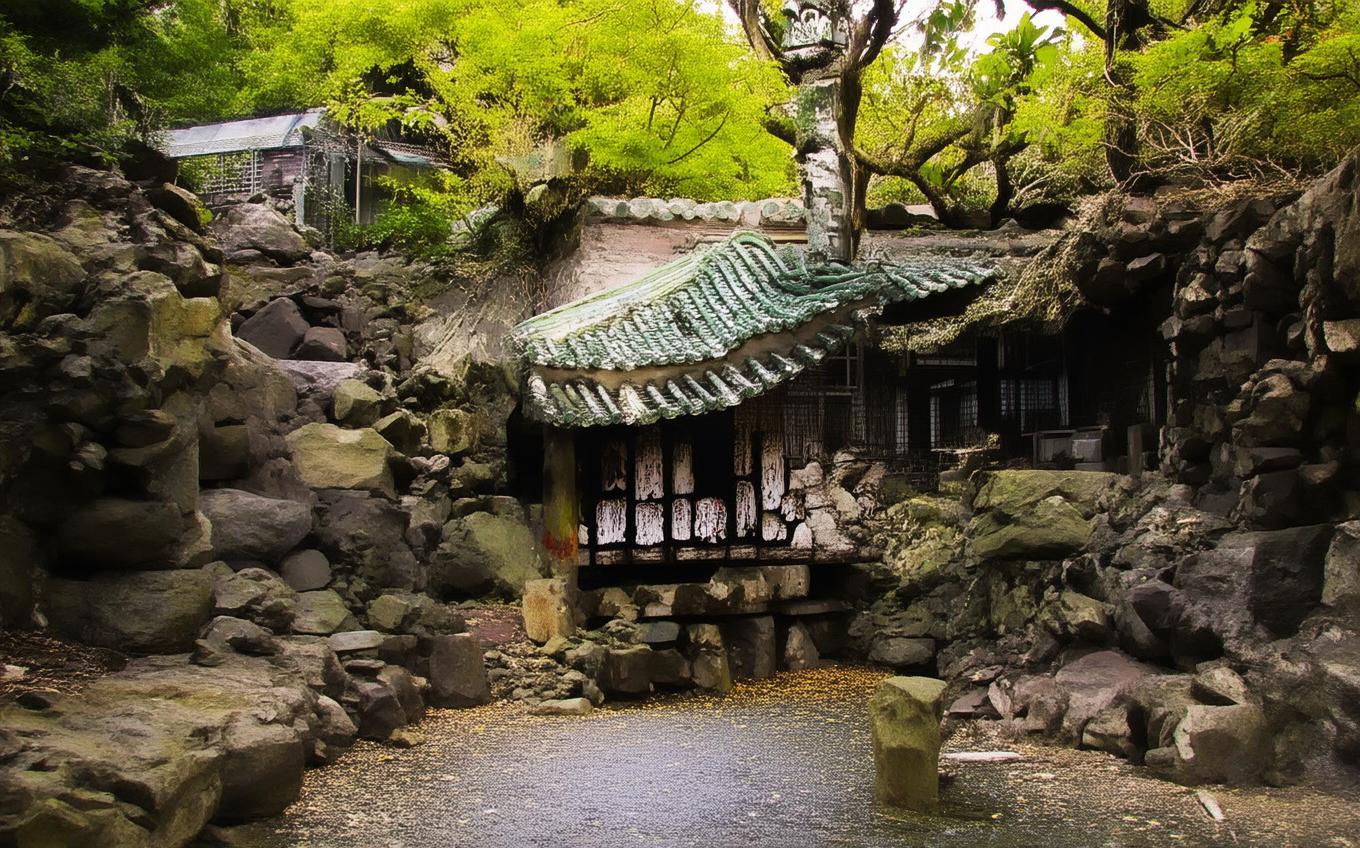
Loosening belts to hang on bending boughs.歌鼓川上亭
Gē gǔ chuān shàng tíng
Songs and drums echo from the riverside pavilion,曲度神飙吹
Qǔ dù shén biāo chuī
The melody soars like a divine wind.云归碧海夕
Yún guī bì hǎi xī
Clouds return to the emerald sea at dusk,雁没青天时
Yàn mò qīngtiān shí
Wild geese vanish into the azure sky.相失各万里
Xiāng shī gè wàn lǐ
We part, each bound for distant lands,茫然空尔思
Mángrán kōng ěr sī
Lost in endless, futile longing.
Line-by-Line Analysis
-
"I feel the autumn’s spirited delight, / Who says autumn stirs only sorrow?"
- Li Bai challenges the traditional melancholic view of autumn, instead celebrating its vitality. -
"The mountains carry the setting sun away, / The water harmonizes with the clear sky."
- Nature is personified—mountains "carry" the sun, while water mirrors the sky, creating balance. -
"Lu wine in white jade jugs, / We halt our golden-bridled steeds to bid farewell."
- The luxurious imagery (jade jugs, golden bridles) elevates the farewell into a noble ritual. -
"Resting saddles by ancient trees, / Loosening belts to hang on bending boughs."
- A moment of pause, blending human activity with nature’s timelessness. -
"Songs and drums echo from the riverside pavilion, / The melody soars like a divine wind."
- Music transcends the earthly, symbolizing the fleeting joy of companionship. -
"Clouds return to the emerald sea at dusk, / Wild geese vanish into the azure sky."
- The imagery of vanishing clouds and geese underscores impermanence and departure. -
"We part, each bound for distant lands, / Lost in endless, futile longing."
- The final lines convey the inevitability of separation and the lingering ache of memory.
Themes and Symbolism
- Friendship and Farewell: Central to Tang poetry, the poem transforms a personal goodbye into a universal meditation on parting.
- Nature’s Transience: Autumn, setting sun, and migrating geese symbolize life’s fleeting moments.
- Harmony and Contrast: Li Bai juxtaposes joy and sorrow, movement and stillness, to reflect life’s duality.
Cultural Context
During the Tang Dynasty, farewell poems (赠别诗 zèngbié shī) were a cherished literary tradition. Scholars and officials often parted ways due to appointments or exile, making such poems emotionally resonant. Li Bai’s work exemplifies the Tang ideal of "poetry as a vessel for emotion" (诗言志 shī yán zhì), blending personal feeling with cosmic imagery.
Conclusion
Li Bai’s poem transforms a simple farewell into a lyrical meditation on time, nature, and human connection. Its vivid imagery and emotional depth continue to resonate, offering readers a glimpse into the Tang Dynasty’s rich cultural tapestry. For modern audiences, the poem reminds us to cherish fleeting moments—a timeless message wrapped in the beauty of classical Chinese verse.

Comments (0)
No comments yet. Be the first to comment!