
Analysis of "陈抟高卧·叨叨令" - Classical Chinese Poetry
Introduction
Chen Tuan (陈抟, c. 871–989) was a legendary Daoist sage, philosopher, and poet of the Five Dynasties and Ten Kingdoms period. Known for his wisdom and reclusive lifestyle, he spent much of his life in meditation and contemplation in the mountains. The poem "陈抟高卧·叨叨令" ("Chén Tuán Gāo Wò · Dāo Dāo Lìng") reflects his Daoist philosophy of detachment, harmony with nature, and the pursuit of inner peace.
This poem is significant in Chinese literature as it embodies the ideals of wu wei (无为, effortless action) and spiritual transcendence, themes central to Daoist thought. Its serene imagery and philosophical depth have made it a beloved piece among scholars and poetry enthusiasts.
The Poem: Full Text and Translation
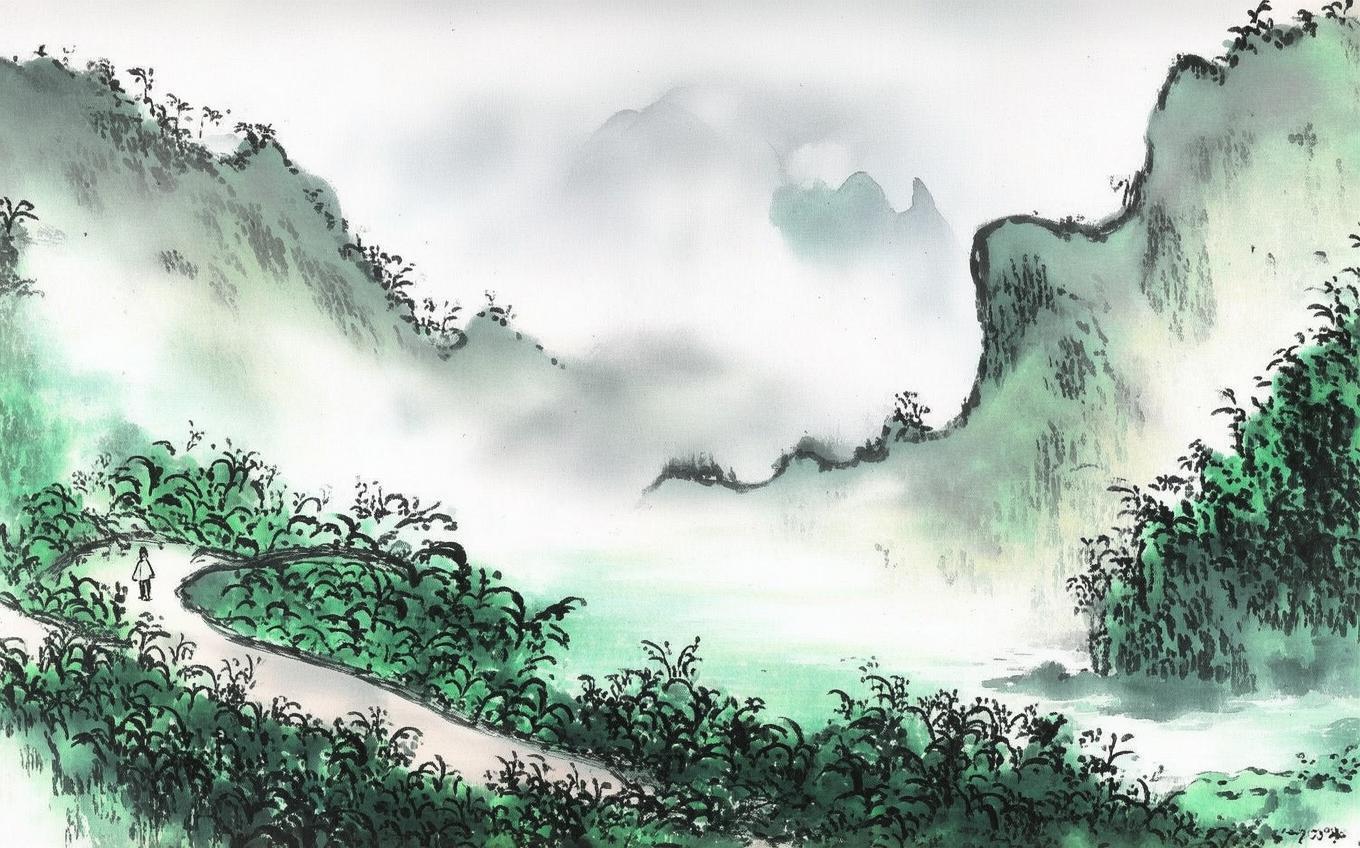
白云深处青山下
Bái yún shēn chù qīng shān xià
Deep in white clouds, beneath green mountains,茅庵草舍无冬夏
Máo ān cǎo shè wú dōng xià
A thatched hut knows no winter or summer.闲来几句渔樵话
Xián lái jǐ jù yú qiáo huà
At leisure, a few words with fishermen and woodcutters,困来一枕葫芦架
Kùn lái yī zhěn hú lú jià
When tired, a nap beneath the gourd trellis.快活煞
Kuài huó shā
What bliss!快活煞
Kuài huó shā
What bliss!煞强如风波千丈担惊怕
Shā qiáng rú fēng bō qiān zhàng dān jīng pà
Far better than fearing the stormy waves a thousand feet high.
Line-by-Line Analysis
-
"Deep in white clouds, beneath green mountains"
- The opening line sets a tranquil scene, with "white clouds" and "green mountains" symbolizing purity and nature’s timeless beauty. The imagery evokes a secluded, heavenly retreat. -
"A thatched hut knows no winter or summer"
- The speaker lives simply, detached from worldly concerns like seasons—suggesting a life beyond temporal worries, in harmony with nature. -
"At leisure, a few words with fishermen and woodcutters"
- The poet finds joy in humble, unpretentious company. Fishermen and woodcutters represent simple, honest labor, contrasting with the corruption of political life. -
"When tired, a nap beneath the gourd trellis"
- The gourd trellis (葫芦架) is a Daoist symbol of natural shelter and sustenance. Napping here signifies contentment and surrender to nature’s rhythms. -
"What bliss! What bliss!"
- The repetition emphasizes the poet’s supreme joy in this uncomplicated, carefree existence. -
"Far better than fearing the stormy waves a thousand feet high"
- The "stormy waves" symbolize the dangers and anxieties of worldly life (e.g., politics, ambition). Chen Tuan rejects these for inner peace.
Themes and Symbolism
- Nature as Sanctuary: The poem glorifies nature as a refuge from societal chaos, a common theme in Daoist poetry.
- Simplicity and Detachment: The thatched hut and casual conversations reflect a life free from materialism.
- Contrast Between Tranquility and Turmoil: The "stormy waves" represent the struggles of secular life, while the mountain retreat offers safety and joy.
Key symbols:
- White clouds (白云): Purity, transcendence.
- Gourd trellis (葫芦架): A Daoist motif for natural abundance and shelter.
Cultural Context
Chen Tuan lived during a turbulent era of political fragmentation. His retreat to Mount Hua (华山) symbolized resistance to the corruption of the times. Daoist recluses like him were admired for their wisdom and refusal to engage in power struggles.
This poem reflects the Daoist ideal of ziran (自然, naturalness)—living spontaneously and in tune with the cosmos. It also critiques the Confucian emphasis on social duty, advocating instead for personal freedom and spiritual fulfillment.
Conclusion
"陈抟高卧·叨叨令" is a masterpiece of Daoist poetry, celebrating the serenity of a life lived close to nature. Its lyrical simplicity and profound philosophy continue to resonate, offering a timeless reminder of the peace found in letting go of worldly attachments.
In today’s fast-paced world, Chen Tuan’s words invite us to pause, breathe, and rediscover the bliss of simplicity—a message as relevant now as it was a thousand years ago.

Comments (0)
No comments yet. Be the first to comment!