
Analysis of "旅夜书怀" - Classical Chinese Poetry
Introduction
"旅夜书怀" (Lǚ Yè Shū Huái, "Thoughts on a Night Journey") is a famous poem by Du Fu (杜甫, 712–770), one of China's greatest poets from the Tang Dynasty. Known as the "Poet Sage," Du Fu's works often reflect the hardships of his life and the turmoil of his era, marked by war and political instability.
This poem, written during Du Fu's travels in exile, captures a moment of solitude and introspection by a river at night. It blends vivid natural imagery with deep personal emotion, embodying the classical Chinese poetic ideals of yijing (意境, artistic conception) and qingjing jiaorong (情景交融, the fusion of emotion and scene).
The Poem: Full Text and Translation
细草微风岸
Xì cǎo wēi fēng àn
Fine grasses, a breeze along the shore,危樯独夜舟
Wēi qiáng dú yè zhōu
A lone boat, tall mast in the night.星垂平野阔
Xīng chuí píng yě kuò
Stars hang low over vast plains,月涌大江流
Yuè yǒng dà jiāng liú
The moon surges on the great river’s flow.名岂文章著
Míng qǐ wénzhāng zhù
How can fame come merely from writing?官应老病休
Guān yīng lǎo bìng xiū
An official retires, old and ill.飘飘何所似
Piāopiāo hé suǒ sì
Drifting, what do I resemble?天地一沙鸥
Tiāndì yī shā ōu
A lone gull between heaven and earth.
Line-by-Line Analysis
-
"Fine grasses, a breeze along the shore"
The opening sets a quiet, delicate scene—gentle grass and a soft wind suggest fragility and solitude. -
"A lone boat, tall mast in the night"
The "lone boat" symbolizes the poet’s isolation, while the "tall mast" stands as a metaphor for his unyielding spirit. -
"Stars hang low over vast plains"
The expansive sky and land emphasize the insignificance of human life against nature’s grandeur. -
"The moon surges on the great river’s flow"
The moon’s reflection dances on the water, mirroring the poet’s restless thoughts. -
"How can fame come merely from writing?"
Du Fu questions the value of literary fame, hinting at his unfulfilled political ambitions. -
"An official retires, old and ill"
A resigned acknowledgment of his failed career and declining health. -
"Drifting, what do I resemble?"
The poet compares himself to something transient and unanchored. -
"A lone gull between heaven and earth"
The final image of a solitary seagull encapsulates his existential loneliness and freedom.
Themes and Symbolism
- Transience and Solitude: The poem reflects Du Fu’s sense of rootlessness, mirrored in the lone boat and gull.
- Nature’s Majesty vs. Human Frailty: The vast landscape contrasts with the poet’s small, troubled existence.
- Unfulfilled Ambition: Lines 5–6 reveal his frustration with a life spent seeking recognition.
Key symbols:
- The boat and gull: Represent the poet’s wandering life.
- Stars and moon: Symbols of eternity, highlighting life’s fleeting nature.
Cultural Context
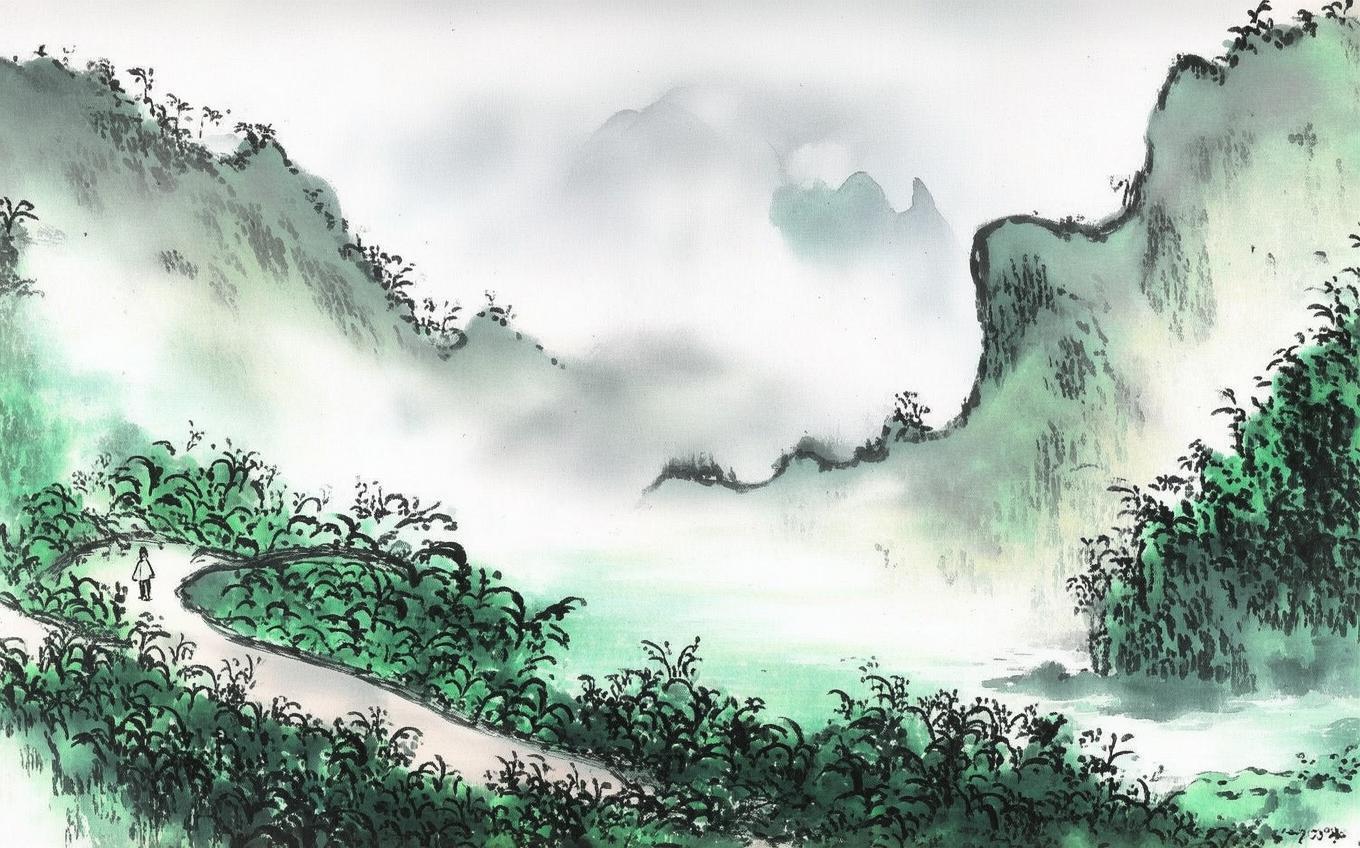
Du Fu wrote this during the An Lushan Rebellion (755–763), a time of chaos that forced him into exile. His poetry often blends Confucian ideals of duty with Daoist reflections on nature. "旅夜书怀" exemplifies the Tang Dynasty’s shanshui (山水, landscape) poetry tradition, where nature mirrors inner emotion.
Conclusion
"旅夜书怀" is a masterpiece of emotional depth and artistic precision. Its portrayal of solitude resonates universally, while its cultural layers offer a window into Tang Dynasty China. For modern readers, Du Fu’s words remind us of the timeless human struggle for meaning amid life’s uncertainties. Like the lone gull, we are all small yet part of something infinite.
"A lone gull between heaven and earth"—perhaps this is where we find both our fragility and our freedom.

Comments (0)
No comments yet. Be the first to comment!