
Analysis of "虞美人·春花秋月何时了" - Classical Chinese Poetry
Introduction
The poem "虞美人·春花秋月何时了" (Yú Měi Rén · Chūn Huā Qiū Yuè Hé Shí Liǎo) was written by Li Yu (李煜), the last emperor of the Southern Tang Dynasty (937–978). Known as a tragic poet-king, Li Yu ruled during a time of political turmoil and was eventually captured by the Song Dynasty. His poetry, composed during his captivity, reflects deep sorrow, nostalgia, and existential despair.
This poem is one of his most famous works, embodying the cí (词) genre—a lyrical form set to music. It is celebrated for its poignant beauty, blending natural imagery with profound melancholy. The poem captures the fleeting nature of life and the inescapable weight of lost glory, making it a timeless masterpiece in Chinese literature.
The Poem: Full Text and Translation
春花秋月何时了
Chūn huā qiū yuè hé shí liǎo
When will the spring flowers and autumn moon end?往事知多少
Wǎngshì zhī duōshǎo
So many memories linger in my mind.小楼昨夜又东风
Xiǎo lóu zuó yè yòu dōngfēng
Last night, the east wind blew again through my small tower,故国不堪回首月明中
Gùguó bùkān huíshǒu yuè míng zhōng
My lost kingdom—too painful to recall under the bright moon.雕栏玉砌应犹在
Diāo lán yù qì yīng yóu zài
The carved railings and jade steps must still be there,只是朱颜改
Zhǐshì zhū yán gǎi
Only the rosy faces have faded away.问君能有几多愁
Wèn jūn néng yǒu jǐ duō chóu
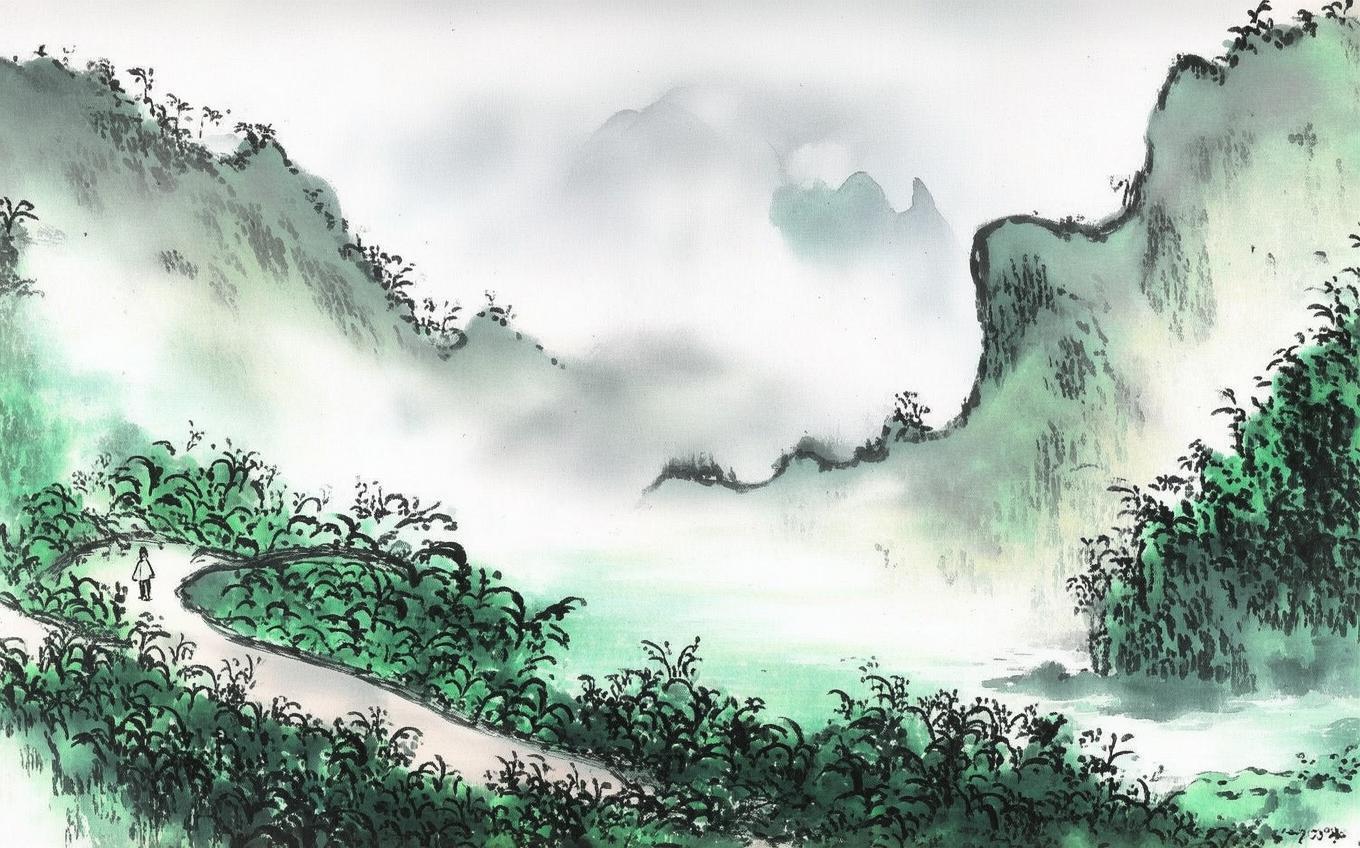
If you ask how much sorrow I bear,恰似一江春水向东流
Qiàsì yī jiāng chūn shuǐ xiàng dōng liú
It’s like a river of spring waters endlessly flowing east.
Line-by-Line Analysis
-
"春花秋月何时了" – The opening line questions the endless cycle of nature's beauty ("spring flowers and autumn moon"), contrasting it with the poet’s inner torment. The phrase suggests a weariness of life itself.
-
"往事知多少" – A lament for the past, filled with unquantifiable memories—both sweet and painful.
-
"小楼昨夜又东风" – The east wind, a symbol of spring’s renewal, feels cruel to the poet, as it only reminds him of his imprisonment.
-
"故国不堪回首月明中" – The bright moon, often a symbol of nostalgia in Chinese poetry, intensifies his grief over his lost kingdom.
-
"雕栏玉砌应犹在" – The poet imagines his former palace still standing, a ghostly relic of his past grandeur.
-
"只是朱颜改" – The "rosy faces" (youth, beauty, or courtiers) are gone, emphasizing irreversible change.
-
"问君能有几多愁" – A rhetorical question, inviting the reader to fathom his sorrow.
-
"恰似一江春水向东流" – The final line is one of the most famous metaphors in Chinese poetry. The endless, flowing river represents his boundless grief.
Themes and Symbolism
- Transience vs. Eternity: The poem contrasts the cyclical beauty of nature with the fleeting nature of human glory.
- Nostalgia and Regret: Li Yu mourns his lost kingdom, blending personal and national tragedy.
- Sorrow as a Natural Force: The "river of spring waters" symbolizes sorrow as vast and unstoppable.
Key symbols:
- Spring flowers and autumn moon: Represent the passage of time.
- East wind: A bittersweet reminder of change.
- Jade steps and carved railings: Symbols of his former royal life.
Cultural Context
Li Yu’s poem reflects the ci genre’s emotional depth, often used to express personal and melancholic themes. Written during his captivity, it embodies the Confucian ideal of loyalty to one’s homeland, even in defeat. The poem also resonates with Buddhist ideas of impermanence (无常, wúcháng).
Historically, Li Yu’s works bridge the Tang and Song dynasties, influencing later poets. His ability to convey profound sorrow with simple, vivid imagery makes his poetry universally relatable.
Conclusion
"虞美人·春花秋月何时了" is a masterpiece of emotional intensity and lyrical beauty. Its themes of loss, memory, and the passage of time transcend its historical context, speaking to anyone who has experienced profound grief. The final metaphor—comparing sorrow to an endless river—remains one of the most powerful in Chinese literature.
Today, the poem endures as a meditation on the human condition, reminding us that even in despair, there is artistry and meaning. For readers exploring Chinese poetry, Li Yu’s work offers a poignant gateway into the soul of classical literature.

Comments (0)
No comments yet. Be the first to comment!