
Analysis of "渔歌子" - Classical Chinese Poetry
Introduction
"渔歌子" (Yú Gē Zǐ, "Fisherman's Song") is a famous cí (lyric poetry) written by the Tang Dynasty poet Zhang Zhihe (张志和, 732–774). This poem is part of the Yú Gē Zǐ tune pattern, which was often used to depict the idyllic life of fishermen. Zhang Zhihe, a recluse and Daoist philosopher, infused this poem with a deep appreciation for nature and a tranquil, carefree spirit.
The poem is celebrated for its simplicity, vivid imagery, and embodiment of the Chinese ideal of harmony between humans and nature. It reflects the Daoist philosophy of wu wei (effortless action) and the joy of living in tune with the natural world.
The Poem: Full Text and Translation
西塞山前白鹭飞
Xī sāi shān qián bái lù fēi
Before Western Mountain, egrets fly freely,桃花流水鳜鱼肥
Táo huā liú shuǐ guì yú féi
Peach blossoms drift on flowing water, mandarin fish grow plump.青箬笠,绿蓑衣
Qīng ruò lì, lǜ suō yī
A blue bamboo hat, a green straw raincoat,斜风细雨不须归
Xié fēng xì yǔ bù xū guī
In slanting wind and drizzling rain—no need to return.
Line-by-Line Analysis
-
"Before Western Mountain, egrets fly freely"
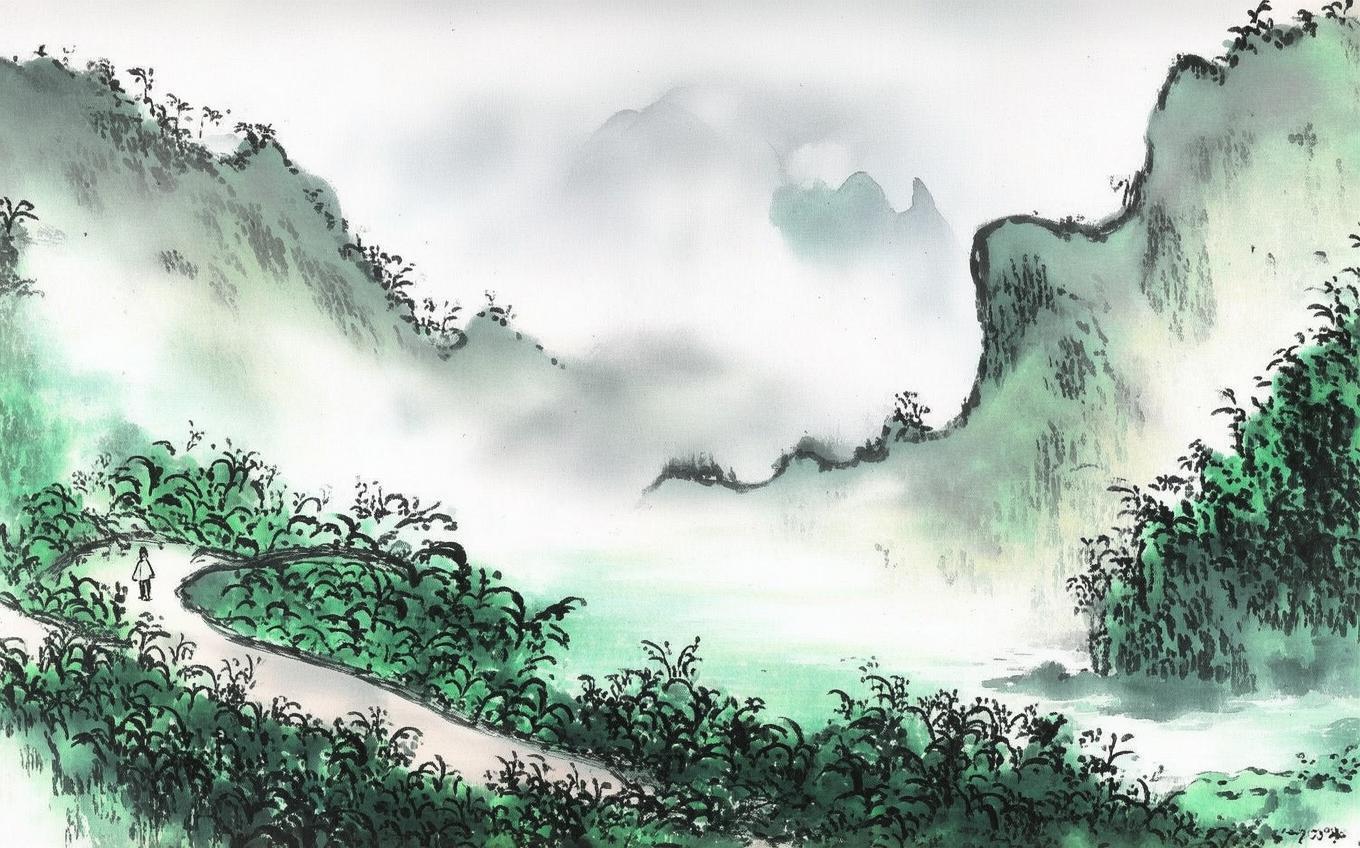
- The opening line sets a peaceful scene with Western Mountain (西塞山), a real location associated with natural beauty. The egrets symbolize purity and freedom, reinforcing the poem’s serene mood. -
"Peach blossoms drift on flowing water, mandarin fish grow plump"
- Peach blossoms (桃花) are a classic Chinese symbol of spring and fleeting beauty. The mandarin fish (鳜鱼) represents abundance, suggesting a life of natural prosperity. -
"A blue bamboo hat, a green straw raincoat"
- The fisherman’s simple attire (bamboo hat and straw raincoat) reflects a humble, harmonious existence with nature. The colors blue and green evoke the natural landscape. -
"In slanting wind and drizzling rain—no need to return"
- The fisherman is so content in nature that even bad weather doesn’t drive him home. This embodies the Daoist ideal of acceptance and detachment from worldly concerns.
Themes and Symbolism
1. Harmony with Nature
The poem glorifies a life in tune with the natural world, free from societal pressures. The fisherman is not just a laborer but a symbol of Daoist simplicity.
2. Transience and Beauty
The peach blossoms and flowing water evoke the Buddhist and Daoist idea of impermanence (wú cháng), reminding us to cherish fleeting moments.
3. Freedom and Contentment
The fisherman’s refusal to return home despite the rain suggests inner peace—true happiness comes from within, not external comforts.
Cultural Context
Zhang Zhihe wrote this during the Tang Dynasty (618–907), a golden age of Chinese poetry. Many scholars and officials, disillusioned by political turmoil, turned to reclusion and nature poetry.
The poem also reflects Chinese pastoralism—a tradition where poets idealized rural life as an escape from bureaucracy. The Yú Gē Zǐ tune was often used for such themes, making Zhang’s work a defining example.
Conclusion
"渔歌子" captures the essence of Chinese nature poetry—its beauty lies in its simplicity and profound philosophical undertones. Even today, the poem resonates as a reminder to slow down, appreciate nature, and find joy in simplicity.
For modern readers, Zhang Zhihe’s fisherman is more than a rustic figure; he represents an eternal longing for peace in a chaotic world. This is why, centuries later, his song still enchants.
Would you, too, linger in the rain if it meant such serenity?


Comments (0)
No comments yet. Be the first to comment!