
Analysis of "玉女摇仙佩" - Classical Chinese Poetry
Introduction “玉女摇仙佩” is a celebrated ci lyric tune title, most famously associated with 柳永 (Liǔ Y...
Guided readings of classical Chinese poetry with original text, attribution, pinyin, English translation, line-by-line analysis, imagery, and historical context. New guides use stored source records so the poem text and author can be checked independently.
Introduction “玉女摇仙佩” is a celebrated ci lyric tune title, most famously associated with 柳永 (Liǔ Y...
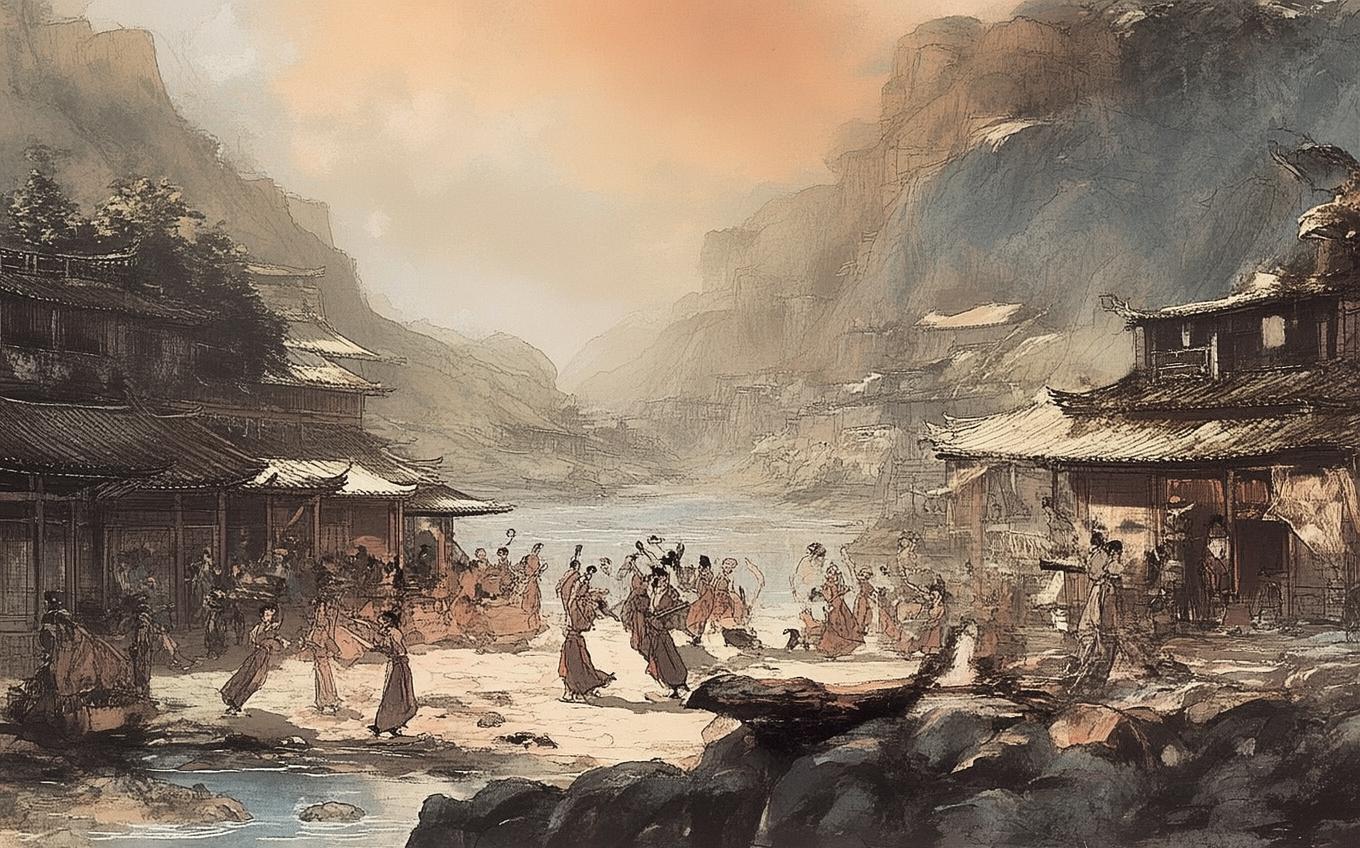
Introduction I need to flag one issue before I can write the article as requested: 扫市舞 is not ide...

Introduction "夜度娘" (Yè dù niáng) is a short ancient Chinese poem traditionally associated with th...

Introduction In Chinese literature, “阳关” is more than a place name. It evokes the emotional world...

Introduction The Song Dynasty (960–1279) is often celebrated as the golden age of Chinese lyrical...

Introduction The poem “越江吟” (Yuè Jiāng Yín, “Song of Crossing the Yue River”) is a captivating sh...
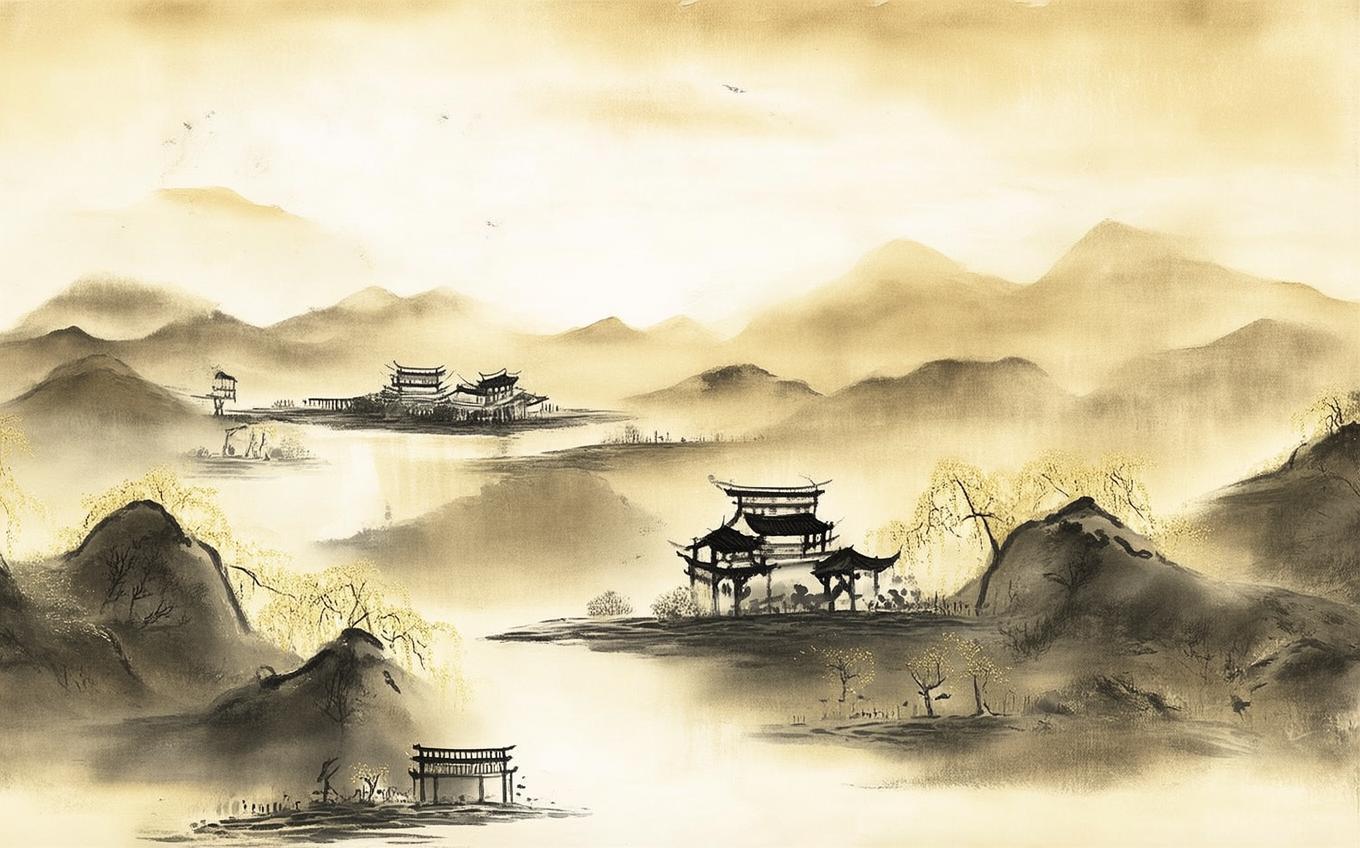
Introduction The title “横吹曲辞·洛阳道” (Héngchuī qǔcí · Luòyáng dào) belongs to the vast repository of...

Introduction Li Bai (701–762), one of the most celebrated poets of the Tang Dynasty, is often cal...

Introduction The poem “望行人” (Wàng Xíngrén, “Watching for the Traveler”) belongs to the Hengchui Q...

Introduction "横吹曲辞折杨柳二" is generally attributed to 孟郊 (Mèng Jiāo), a Tang dynasty poet known for ...

Introduction “横吹曲辞折杨柳一” (Héngchuī Qǔcí: Zhé Yángliǔ, No. 1) is commonly associated with 卢照邻 (Lú Z...
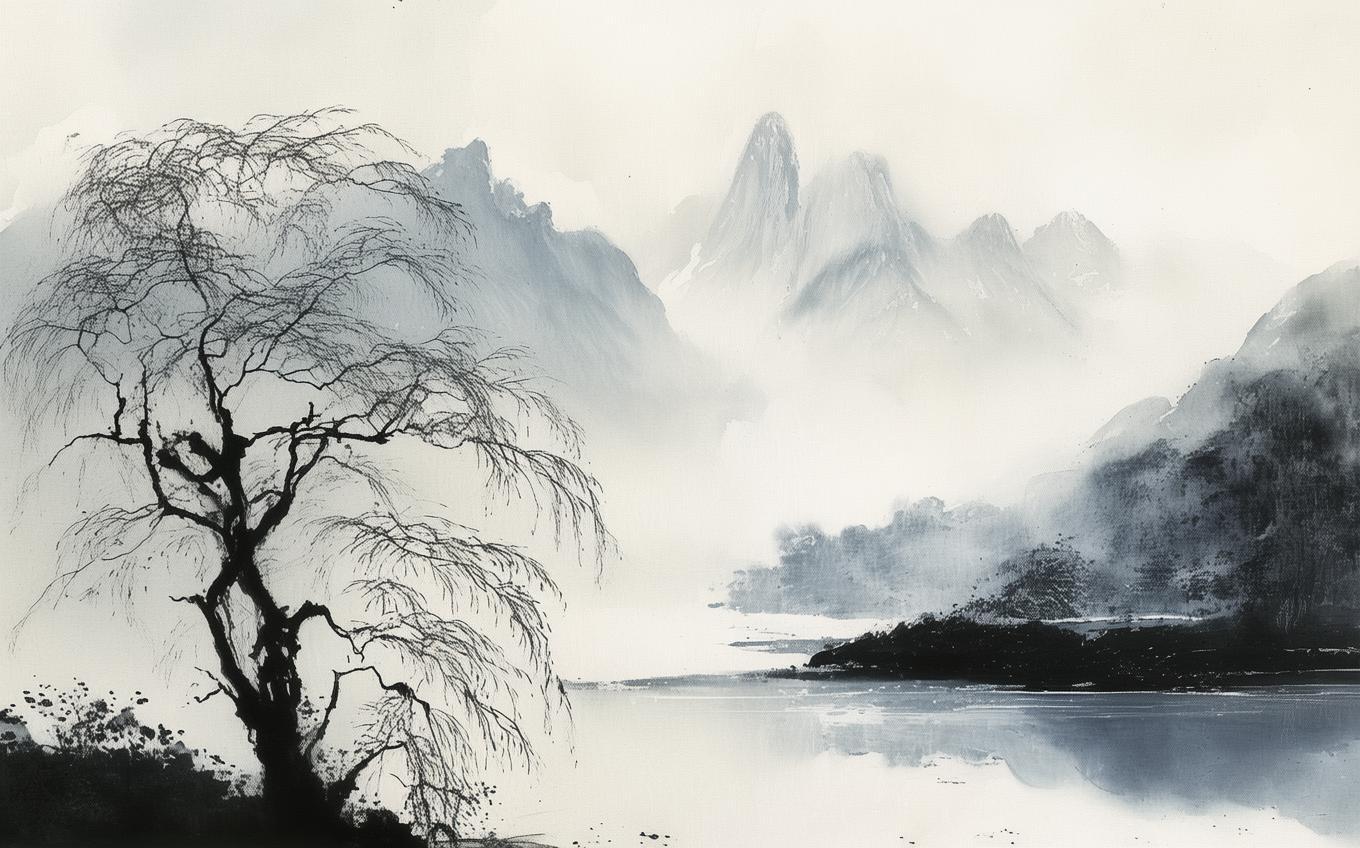
Introduction Li Bai (李白, Lǐ Bái, 701–762) is one of the most celebrated poets of the Tang dynasty...