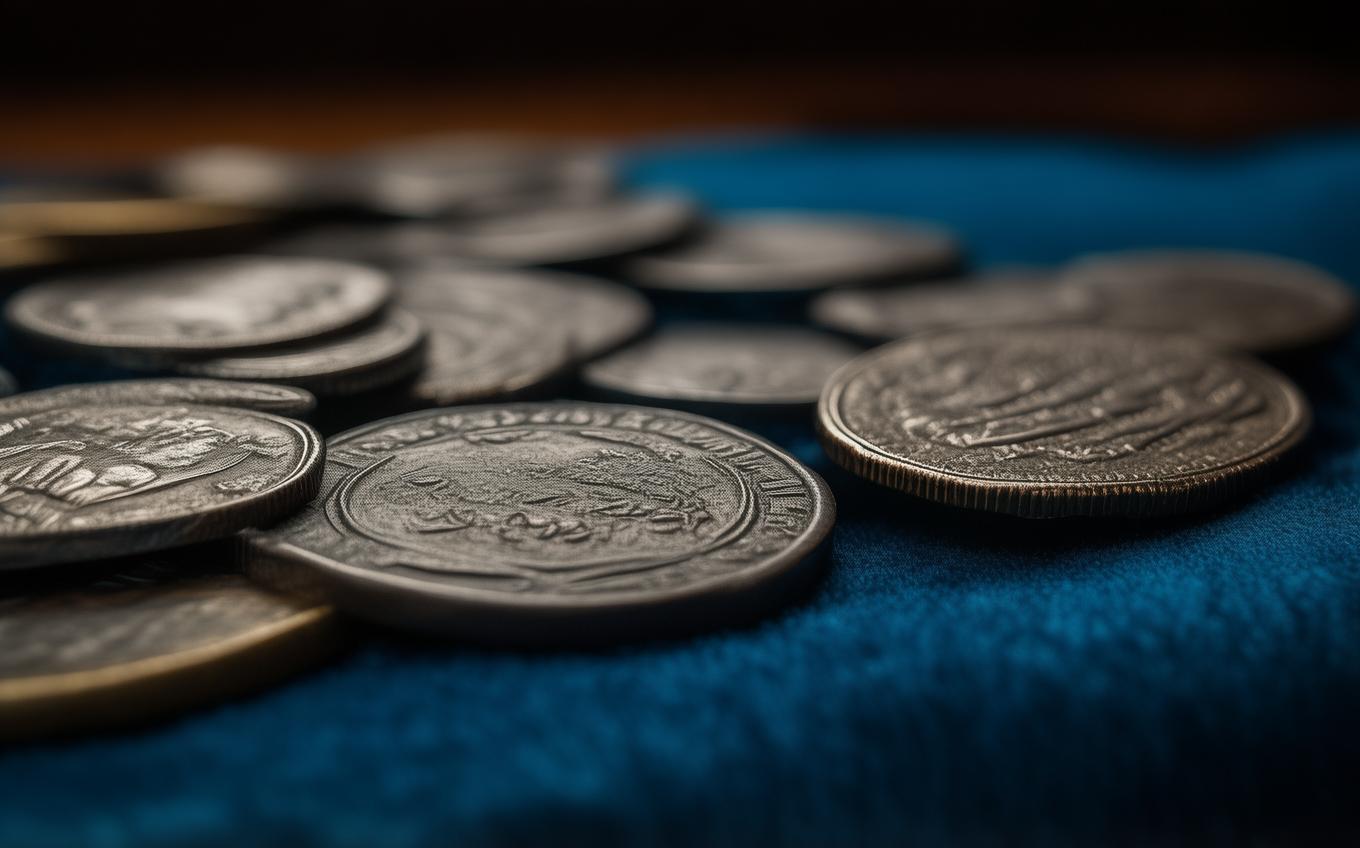
Understanding "钱币" - Chinese Word Explanation
1. Basic Information
- Word: 钱币
- Pinyin: qián bì
- Literal Meaning: "Money" (钱) + "Currency/Coin" (币)
- Primary Meaning: Refers to coins or currency, often specifically physical forms like coins or banknotes.
2. In-depth Explanation
Context and Usage
"钱币" is a formal term used to describe physical forms of money, particularly coins or collectible currency. It is often used in contexts like:
- Discussing ancient or historical currencies.
- Referring to coin collections (numismatics).
- General discussions about cash or physical money (though more formal than "钱" alone).
Nuance: While "钱" can mean money in a broad sense (including digital money), "钱币" emphasizes tangible, physical currency.
Character Breakdown
- 钱 (qián): Means "money" or "cash."
- 币 (bì): Means "currency" or "coin," often used in terms like "人民币" (Rénmínbì, the Chinese yuan).
Together, they emphasize the physical aspect of money.
3. Example Sentences
-
Chinese: 他收藏了很多古代的钱币。
Pinyin: Tā shōucáng le hěn duō gǔdài de qiánbì.
English: He collects many ancient coins. -
Chinese: 这些钱币是博物馆的珍贵展品。
Pinyin: Zhèxiē qiánbì shì bówùguǎn de zhēnguì zhǎnpǐn.
English: These coins are precious exhibits in the museum. -
Chinese: 钱币的历史反映了经济的发展。
Pinyin: Qiánbì de lìshǐ fǎnyìng le jīngjì de fāzhǎn.
English: The history of currency reflects economic development.
Cultural Notes
- China has a long history of coinage, with ancient "钱币" like "铜钱" (tóngqián, copper coins) used for centuries.
- Collecting "钱币" is a popular hobby in China, especially rare or dynastic coins.
- Modern Chinese "钱币" includes the yuan (人民币), but the term often evokes historical or collectible connotations.
Conclusion
"钱币" (qián bì) refers to physical currency, especially coins or collectible money. It combines "钱" (money) and "币" (currency), highlighting tangible forms of cash. Use it when discussing coins, historical money, or collections. Remember, it’s more specific than just "钱"!




Comments (0)
No comments yet. Be the first to comment!