# Analysis of "窦娥冤" - Classical Chinese Tragedy in Poetry

## Introduction
"窦娥冤" (Dou E Yuan, *The Injustice to Dou E*) is not a poem but China's most famous classical tragedy by Guan Hanqing (c. 1241–1320) from the Yuan Dynasty. This masterpiece of zaju (musical drama) tells the story of a wrongly executed young woman whose grievances cause supernatural phenomena. While not a poem itself, its climactic "Three Unnatural Vows" scene contains rhymed verse that has become iconic in Chinese literature, representing resistance against injustice and the power of filial piety.

## The Text: Key Excerpt and Translation
Here are Dou E's famous vows before execution:

> 血溅白练 [Xuè jiàn bái liàn]
> "My blood shall stain white silk red"

> 六月飞雪 [Liù yuè fēi xuě]
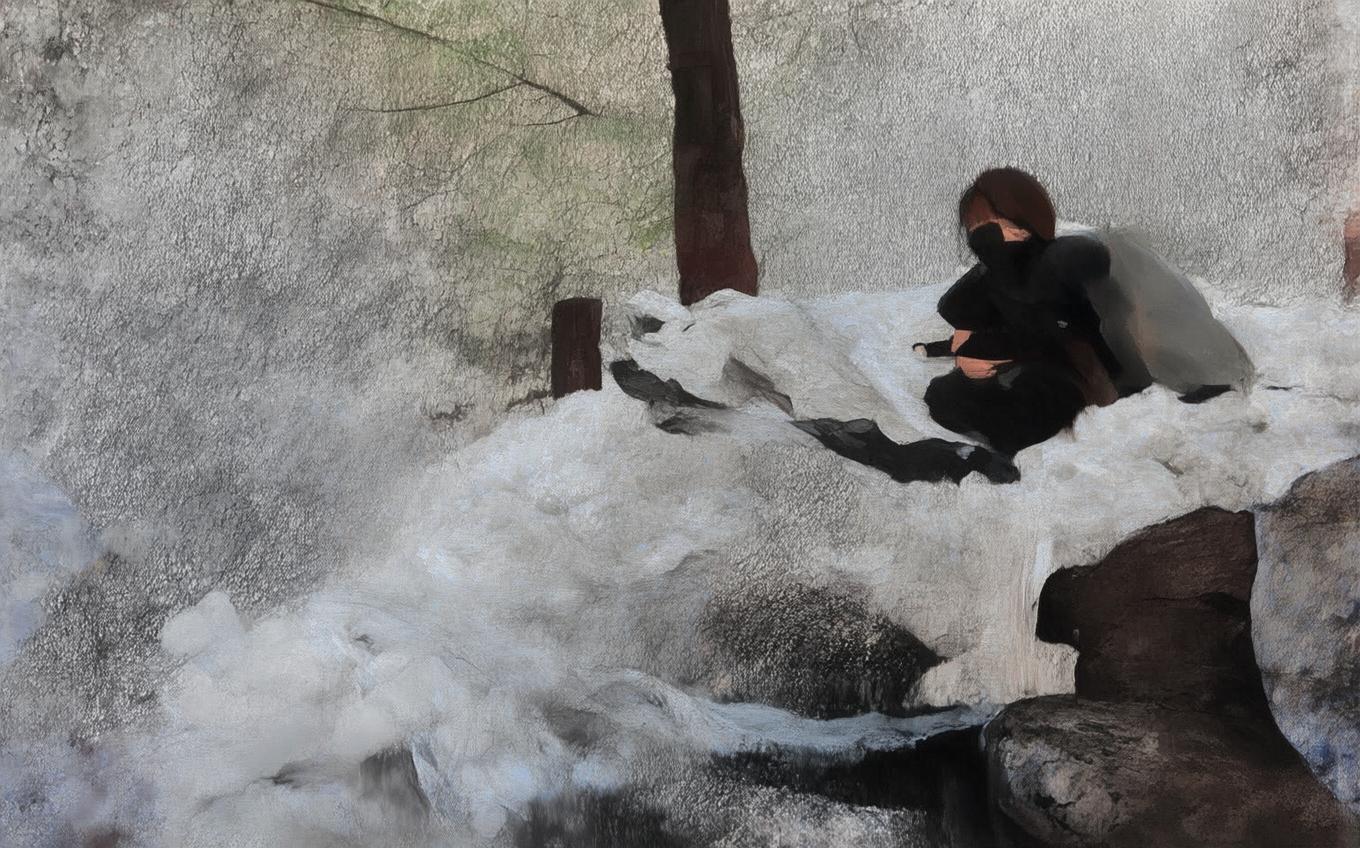
> "In summer snow shall bury my corpse"

> 三年大旱 [Sān nián dà hàn]
> "This land shall suffer drought three years"

## Line-by-Line Analysis

1. **Blood staining white silk**:
   - White silk symbolizes purity and mourning in Chinese culture. The unnatural crimson staining represents both Dou E's innocence and the corruption of the legal system.

2. **Summer snow**:
   - Snow in June violates natural order (阴阳 yin-yang balance), reflecting heaven's intervention. This became a Chinese idiom for wrongful convictions (六月飞雪).

3. **Three-year drought**:
   - In agricultural China, drought was seen as celestial punishment. The number "three" (三) holds cultural significance - representing completeness in Taoist thought.

## Themes and Symbolism

**Core Themes**:
- *Injustice*: The work critiques corrupt officials through Dou E's tragic fate.
- *Filial Piety*: Dou E sacrifices herself to protect her mother-in-law, embodying Confucian virtue.
- *Cosmic Retribution*: The supernatural events validate her innocence through Taoist and folk beliefs.

**Key Symbols**:
- *White and Red*: Contrasting colors represent life/death and justice/corruption.
- *Weather Phenomena*: Manifestations of the "Mandate of Heaven" (天命) concept where nature reflects moral truth.

## Cultural Context

Written during Mongol-ruled Yuan Dynasty, Guan Hanqing used this work to:
1. Critique social inequality under foreign rule
2. Affirm Chinese values of justice and family loyalty
3. Showcase zaju theater's blend of poetry, music, and vernacular language

The story remains influential today, adapted into Peking operas and referenced in legal reforms. Its most famous adaptation is Wang Shifu's *Snow in Midsummer*.

## Conclusion

While "窦娥冤" is a play, its poetic verses crystallize timeless Chinese cultural concepts: the demand for justice, the bond between human and cosmic order, and the belief that truth ultimately prevails. For modern readers, Dou E's story offers a window into traditional Chinese values while resonating universally as a tragedy of wrongful conviction. Her vows have entered daily language as metaphors for grievances that shake heaven and earth - proving art's power to transform suffering into enduring cultural symbols.

Comments (0)
No comments yet. Be the first to comment!