Analysis of "前赤壁赋" - Classical Chinese Poetry
Introduction
"前赤壁赋" (Qián Chìbì Fù), or "First Ode to the Red Cliff," is one of the most celebrated prose-poems by the Song Dynasty polymath Su Shi (苏轼, 1037–1101), also known as Su Dongpo. Written in 1082 during his political exile, the work reflects on the fleeting nature of human existence against the timeless grandeur of nature, blending Daoist philosophy with lyrical beauty.
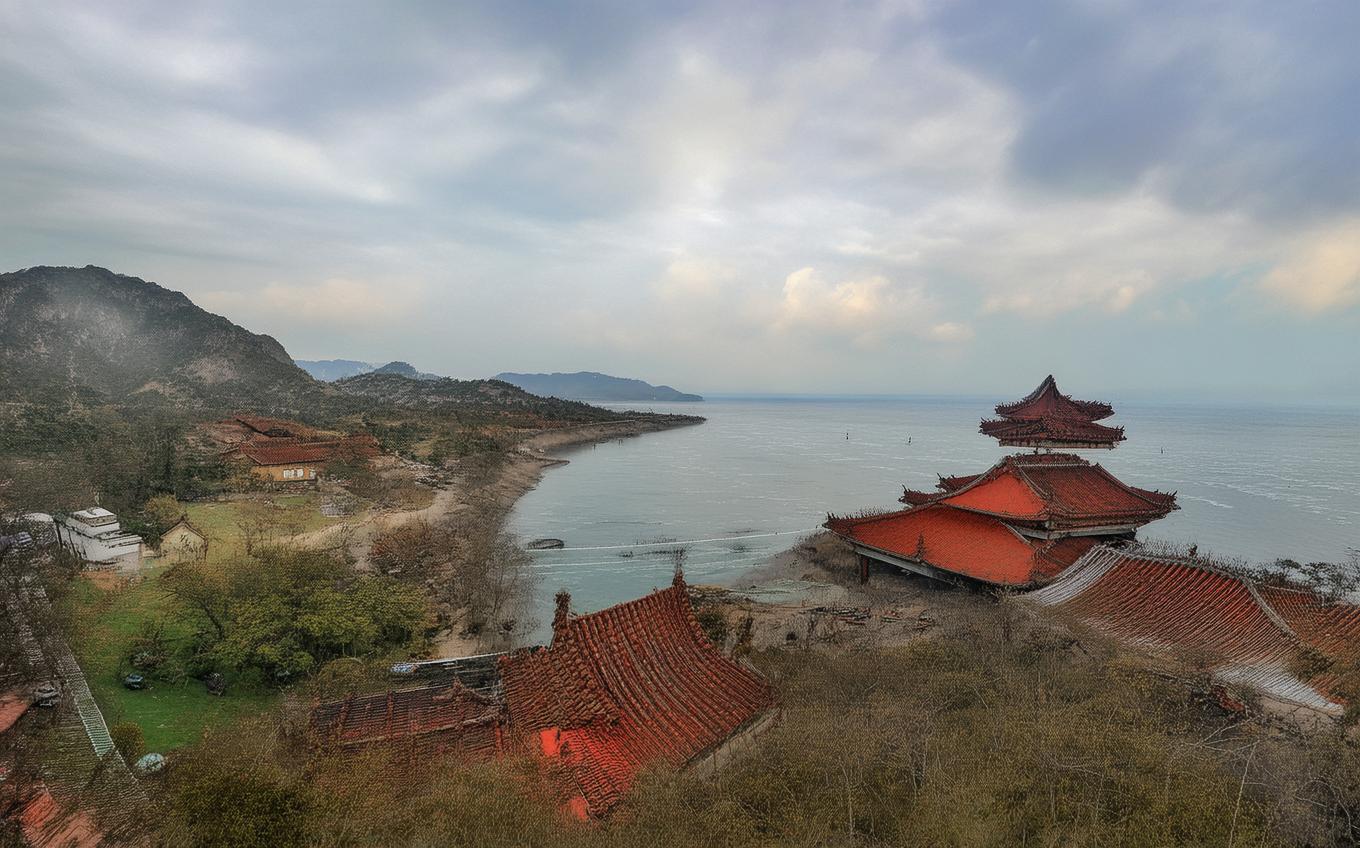
This masterpiece is set at the Red Cliff, a historical battleground from the Three Kingdoms period, where Su Shi contemplates life, change, and transcendence. Its significance lies in its fusion of philosophical depth, vivid imagery, and emotional resonance, making it a cornerstone of Chinese literary tradition.
The Poem: Full Text and Translation
Here is an excerpt from the opening section of "前赤壁赋":
壬戌之秋,七月既望,苏子与客泛舟游于赤壁之下。
Rénxū zhī qiū, qīyuè jìwàng, Sū zǐ yǔ kè fànzhōu yóu yú Chìbì zhī xià.
In the autumn of the Renxu year, on the sixteenth day of the seventh month, I, Su Shi, and my friends sailed a boat beneath the Red Cliff.清风徐来,水波不兴。
Qīngfēng xú lái, shuǐbō bù xīng.
A clear breeze blew gently, without stirring the water’s ripples.举酒属客,诵明月之诗,歌窈窕之章。
Jǔ jiǔ zhǔ kè, sòng míngyuè zhī shī, gē yǎotiǎo zhī zhāng.
Raising wine, I toasted my companions, reciting poems of the bright moon, singing of its luminous beauty.少焉,月出于东山之上,徘徊于斗牛之间。
Shǎo yān, yuè chū yú dōngshān zhī shàng, páihuái yú dòuniú zhī jiān.
Soon, the moon rose over the eastern mountains, lingering between the constellations Dipper and Ox.
Line-by-Line Analysis
-
Setting the Scene:
- Su Shi begins with precise timing (the Renxu year, seventh month), grounding the poem in history while evoking the cyclical nature of time. The Red Cliff, a symbol of past heroism (linked to the Battle of Chibi), contrasts with the tranquil present. -
Nature’s Serenity:
- "清风徐来,水波不兴" paints a meditative stillness. The gentle breeze and calm water mirror the poet’s momentary peace amid exile. -
Celebration and Art:
- The toast and recitation of poetry ("诵明月之诗") reflect the Confucian ideal of finding joy in culture and companionship, even in adversity. -
The Moon’s Symbolism:
- The rising moon, "徘徊于斗牛之间," hovers between constellations, embodying the poem’s central tension: the ephemeral (human life) versus the eternal (cosmos).
Themes and Symbolism
-
Transience vs. Eternity:
- The poem contrasts the brevity of human achievements (e.g., the vanished heroes of the Three Kingdoms) with the unchanging natural world (the moon, rivers). -
Harmony with Nature:
- Daoist influences emerge in the acceptance of life’s flux, symbolized by the flowing river and drifting boat. -
The Moon:
- A recurring motif in Chinese poetry, the moon represents both beauty and the passage of time. Here, it bridges the human and divine.
Cultural Context
- Historical Echoes: The Red Cliff evokes the Battle of Chibi (208 CE), where the outnumbered general Zhou Yu defeated Cao Cao. Su Shi’s allusion underscores how even glory fades.
- Philosophical Blend: The poem weaves Confucian camaraderie, Daoist detachment, and Buddhist impermanence, reflecting Song Dynasty syncretism.
- Exile Literature: Written during Su Shi’s banishment, it exemplifies how Chinese literati turned to nature and art to transcend political strife.
Conclusion
"前赤壁赋" is a masterpiece of emotional and philosophical richness. Its meditation on change—"惟江上之清风,与山间之明月" ("only the river’s breeze and the mountain’s moon endure")—resonates universally, offering solace in impermanence. Today, it reminds us to cherish fleeting moments while embracing life’s larger rhythms.
For readers exploring Chinese literature, Su Shi’s ode is a gateway to understanding how poetry intertwines history, philosophy, and the natural world. Its timeless questions about existence continue to inspire across cultures.

Comments (0)
No comments yet. Be the first to comment!