
Analysis of "赤壁赋" - Classical Chinese Poetry
Introduction
The "Red Cliff Rhapsody" (赤壁赋, Chìbì Fù) is one of the most celebrated prose-poems in Chinese literature, written by the Song Dynasty polymath Su Shi (苏轼, 1037-1101). Composed during Su Shi's political exile in 1082, this masterpiece blends philosophical reflection with breathtaking natural description. The work memorializes the historic Battle of Red Cliff (208 CE) while contemplating the transient nature of human achievement against the eternal flow of the Yangtze River. As a pinnacle of Chinese fu (rhapsody) literature, it demonstrates the perfect marriage of lyrical beauty and profound thought that characterizes China's greatest literary works.
The Poem: Full Text and Translation
First Section
壬戌之秋,七月既望,苏子与客泛舟游于赤壁之下。
Rénxū zhī qiū, qīyuè jìwàng, Sū zǐ yǔ kè fànzhōu yóu yú Chìbì zhī xià.
In the autumn of the Renxu year, on the sixteenth day of the seventh month, Master Su and his guests floated in a boat beneath the Red Cliff.
清风徐来,水波不兴。
Qīngfēng xú lái, shuǐbō bù xīng.
A cool breeze came gently, without ruffling the water.
举酒属客,诵明月之诗,歌窈窕之章。
Jǔ jiǔ zhǔ kè, sòng míngyuè zhī shī, gē yǎotiǎo zhī zhāng.
Raising wine to toast my guests, we recited poems about the bright moon, sang verses of the graceful maiden.
Line-by-Line Analysis
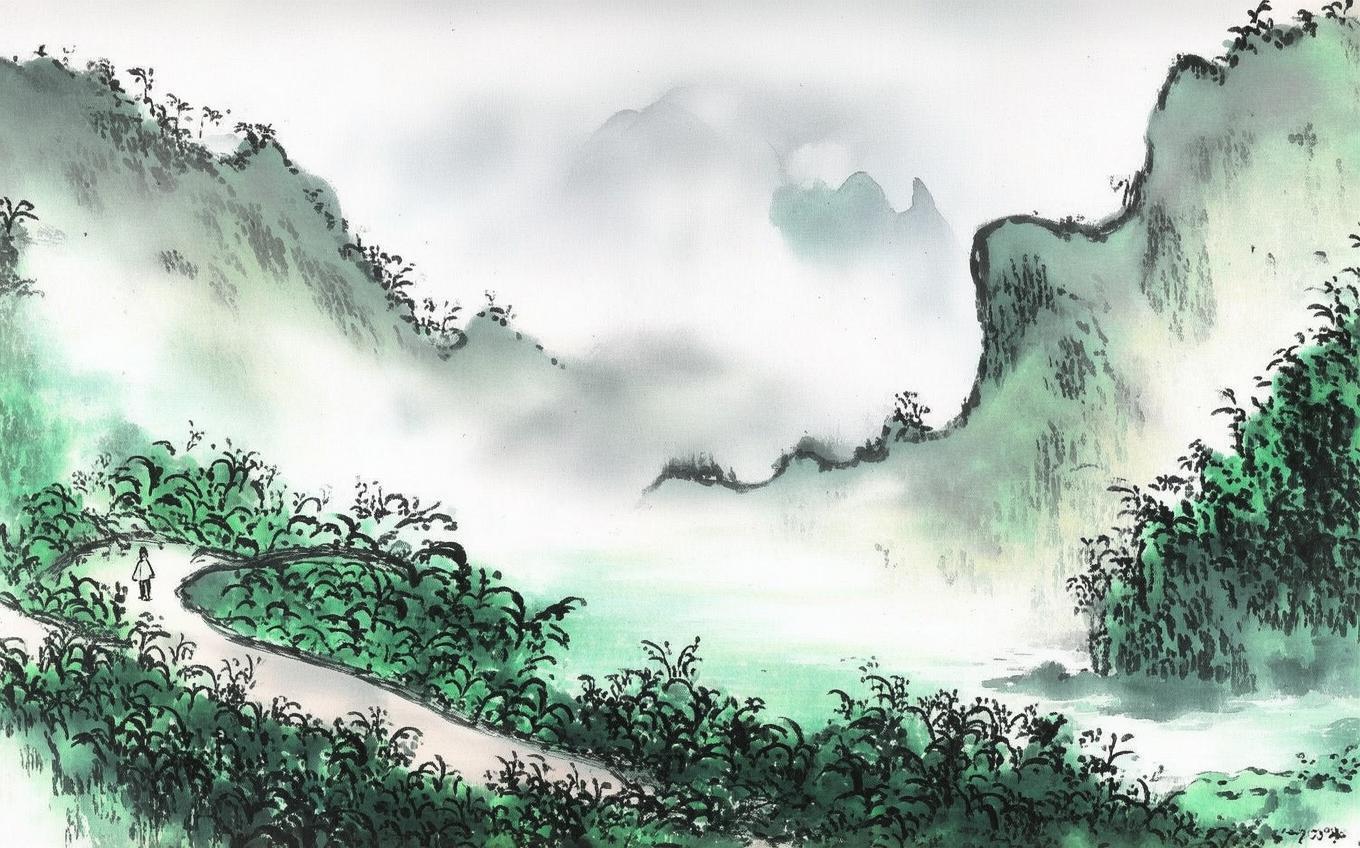
The opening establishes a serene night scene where time is precisely noted (Renxu year corresponds to 1082 CE). The "sixteenth day" (既望) refers to the full moon phase, immediately creating a luminous atmosphere. The gentle breeze and calm waters suggest harmony between man and nature.
The act of reciting poetry about the moon connects the gathering to China's literary tradition, particularly referencing the Book of Songs (诗经). The "graceful maiden" alludes to classical depictions of feminine beauty, symbolizing the aesthetic perfection the poets seek in their environment.
Themes and Symbolism
Transience vs. Eternity: The poem constantly contrasts human mortality ("The sages of antiquity are but a moment") with nature's permanence ("The river flows on endlessly").
Historical Reflection: The Red Cliff battlefield becomes a meditation on how all human conflicts fade into nature's landscape. The famous Three Kingdoms battle (208 CE) between Cao Cao and the allied forces of Sun Quan and Liu Bei serves as background.
Daoist Harmony: The moonlit river journey embodies the Daoist ideal of effortless action (无为), with the boat moving spontaneously with the currents.
Cultural Context
Written during Su Shi's Huangzhou exile (after the politically motivated "Crow Terrace Poetry Case"), the poem transforms personal adversity into philosophical transcendence. It exemplifies the scholar-official tradition where educated statesmen expressed their highest ideals through literature.
The fu form allows alternating between prose description and poetic outbursts, creating a rhythmic dialogue between Su Shi and his guests (who represent different philosophical viewpoints). This structure mirrors traditional Chinese "friendship gatherings" where intellectuals debated through poetry.
Conclusion
Nearly a millennium after its creation, "Red Cliff Rhapsody" continues to captivate readers with its lyrical depiction of a moonlit river journey that becomes a metaphor for life's passage. Su Shi's ability to find profound peace amid political turmoil speaks universally about human resilience. The poem's closing vision - where the travelers become "as free as the immortals" - offers an enduring message about liberating oneself from temporal worries through art and nature. For modern readers, it remains a masterclass in transforming personal adversity into timeless beauty.

Comments (0)
No comments yet. Be the first to comment!