
Analysis of "滕王阁序" - Classical Chinese Poetry
Introduction
"滕王阁序" (Téngwáng Gé Xù), or "Preface to the Pavilion of Prince Teng," is one of the most celebrated prose-poems in Chinese literature. Written by Wang Bo (王勃, 650–676), a prodigious poet of the early Tang Dynasty, this work combines lyrical beauty with philosophical depth. Composed when Wang was just in his twenties, it describes the grandeur of the Pavilion of Prince Teng while reflecting on impermanence, ambition, and the passage of time.
The piece is renowned for its vivid imagery, rhythmic prose, and emotional resonance, making it a cornerstone of classical Chinese literature. Its influence extends beyond poetry, as it embodies the Tang Dynasty's cultural flourishing and the literary ideal of wén yǐ zài dào (文以载道, "writing conveys truth").
The Poem: Full Text and Translation
Below is an excerpt from the opening section, showcasing its majestic style:
豫章故郡,洪都新府
Yùzhāng gù jùn, Hóngdū xīn fǔ
The old district of Yuzhang, the new prefecture of Hongdu星分翼轸,地接衡庐
Xīng fēn yì zhěn, dì jiē héng lú
Stars align with the Wings and Chariot constellations; land links Mount Heng and Mount Lu襟三江而带五湖,控蛮荆而引瓯越
Jīn sān jiāng ér dài wǔ hú, kòng mán jīng ér yǐn ōu yuè
Girdled by three rivers, belted by five lakes, controlling Chu lands and bordering Ouyue物华天宝,龙光射牛斗之墟
Wùhuá tiānbǎo, lóng guāng shè niú dòu zhī xū
Treasures of earth and heaven—dragon’s light shines where Ox and Dipper meet人杰地灵,徐孺下陈蕃之榻
Rénjié dìlíng, Xú Rú xià Chén Fān zhī tà
Heroes grace this blessed land—like Xu Ru, for whom Chen Fan lowered his couch
Line-by-Line Analysis
-
"豫章故郡,洪都新府"
Wang Bo opens with a contrast between the past ("old district") and present ("new prefecture"), grounding the poem in history while hinting at renewal. -
"星分翼轸,地接衡庐"
Astronomical and geographical imagery elevates the pavilion’s significance, tying it to cosmic order and sacred mountains (Heng and Lu). -
"襟三江而带五湖"
The metaphor of clothing ("girdled by rivers, belted by lakes") paints the land as regal and harmonious, a motif of natural abundance. -
"物华天宝,龙光射牛斗之墟"
"Dragon’s light" refers to a legendary sword’s glow—a symbol of rare talent (like Wang Bo himself) shining brilliantly. -
"人杰地灵"
This famous phrase ("heroes grace blessed land") reflects the Confucian ideal that virtuous individuals and fertile land are intertwined.
Themes and Symbolism
1. Transience and Ambition
The pavilion’s splendor contrasts with fleeting human achievements. Wang Bo, though young, muses on legacy—a theme resonant in Tang poetry.
2. Cosmic Harmony
References to stars and landscapes align human endeavors with the universe, reflecting Daoist and Confucian worldviews.
3. Cultural Pride
Allusions to historical figures (e.g., Xu Ru) celebrate Jiangxi’s intellectual heritage, reinforcing regional identity.
Key Symbols:
- Dragon’s Light: Genius unrecognized in its time.
- Rivers and Lakes: Unity and natural order.
Cultural Context
Written in 675 AD, the poem commemorates the reconstruction of the Pavilion of Prince Teng in modern-day Nanchang. The Tang Dynasty (618–907) was a golden age of poetry, where civil exams elevated literary skill. Wang Bo’s work exemplifies piānwén (骈文, parallel prose), using balanced couplets and allusions.
The text also mirrors memento mori themes in classical literature—joyous scenes are undercut by reminders of mortality, as seen in later lines:
闲云潭影日悠悠,物换星移几度秋
Xián yún tán yǐng rì yōuyōu, wù huàn xīng yí jǐ dù qiū
"Leisurely clouds, pond shadows—days linger; seasons change, stars shift—how many autumns pass?"
Conclusion
"滕王阁序" is a masterpiece of rhythm and reflection, blending grandeur with humility. For modern readers, it offers a window into Tang Dynasty aesthetics and universal questions about legacy. Wang Bo’s untimely death (he drowned at 26) adds poignancy to his meditations on time.
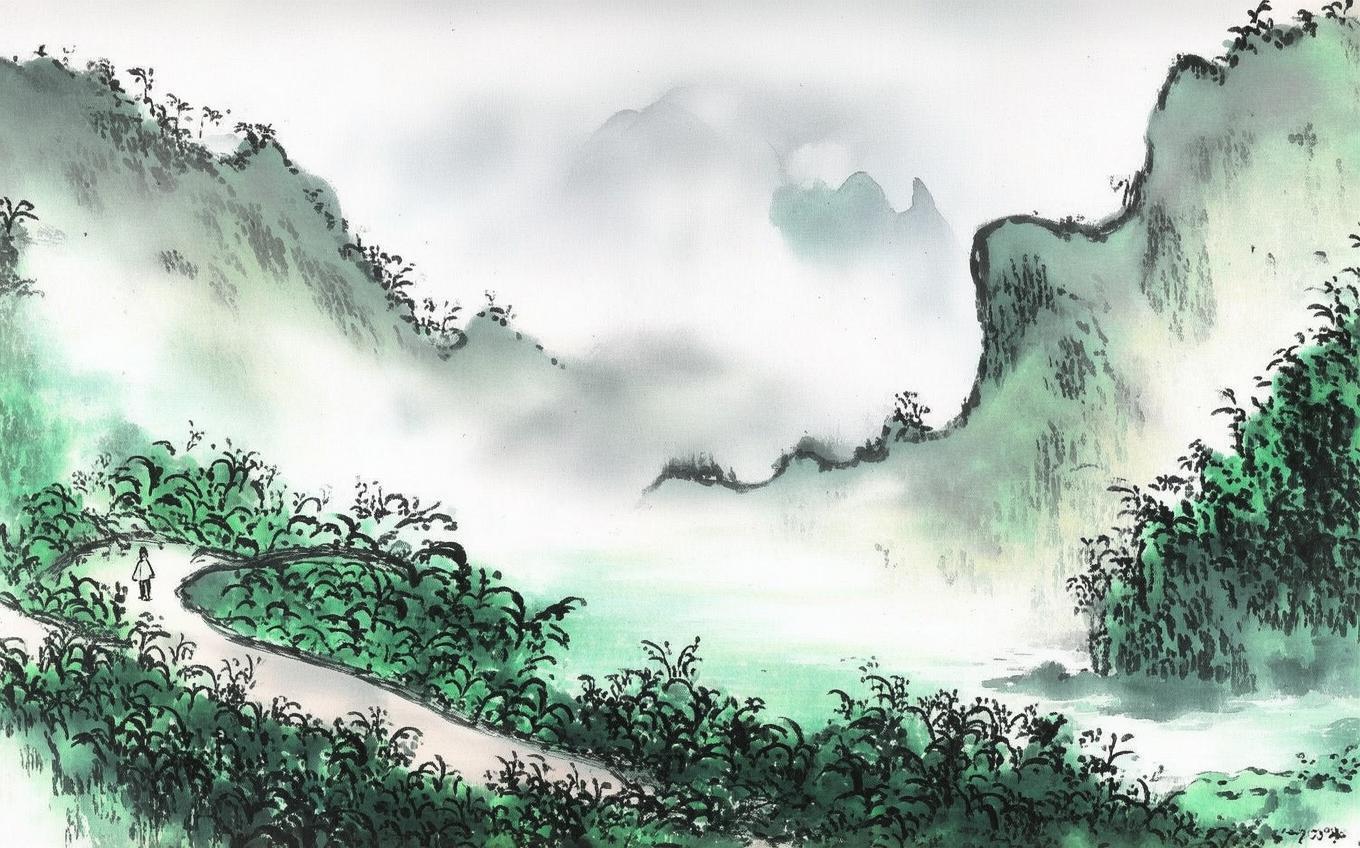
As you read, imagine the pavilion’s towers piercing the clouds—a monument to beauty that, like poetry itself, outlasts dynasties.
"The past is a mirror for the future; the pavilion stands, though its princes are dust."
Further Reading:
- The Great Age of Chinese Poetry by Stephen Owen
- How to Read Chinese Prose in Chinese (Columbia University Press)
Would you like a deeper dive into specific lines or historical figures mentioned? Let me know in the comments!

Comments (0)
No comments yet. Be the first to comment!