Analysis of "陋室铭" - Classical Chinese Poetry
Introduction
"陋室铭" (Lòu Shì Míng, "Inscription of a Humble Abode") is a celebrated prose-poem by the Tang Dynasty scholar Liu Yuxi (刘禹锡, 772–842). Written during a period of political exile, the poem reflects the Confucian and Daoist ideals of contentment, moral integrity, and the transcendence of material poverty through spiritual richness. Despite its brevity, the poem is a masterpiece of classical Chinese literature, admired for its elegant simplicity and profound philosophy. It remains a touchstone for discussions about humility, resilience, and the true meaning of a virtuous life.
The Poem: Full Text and Translation
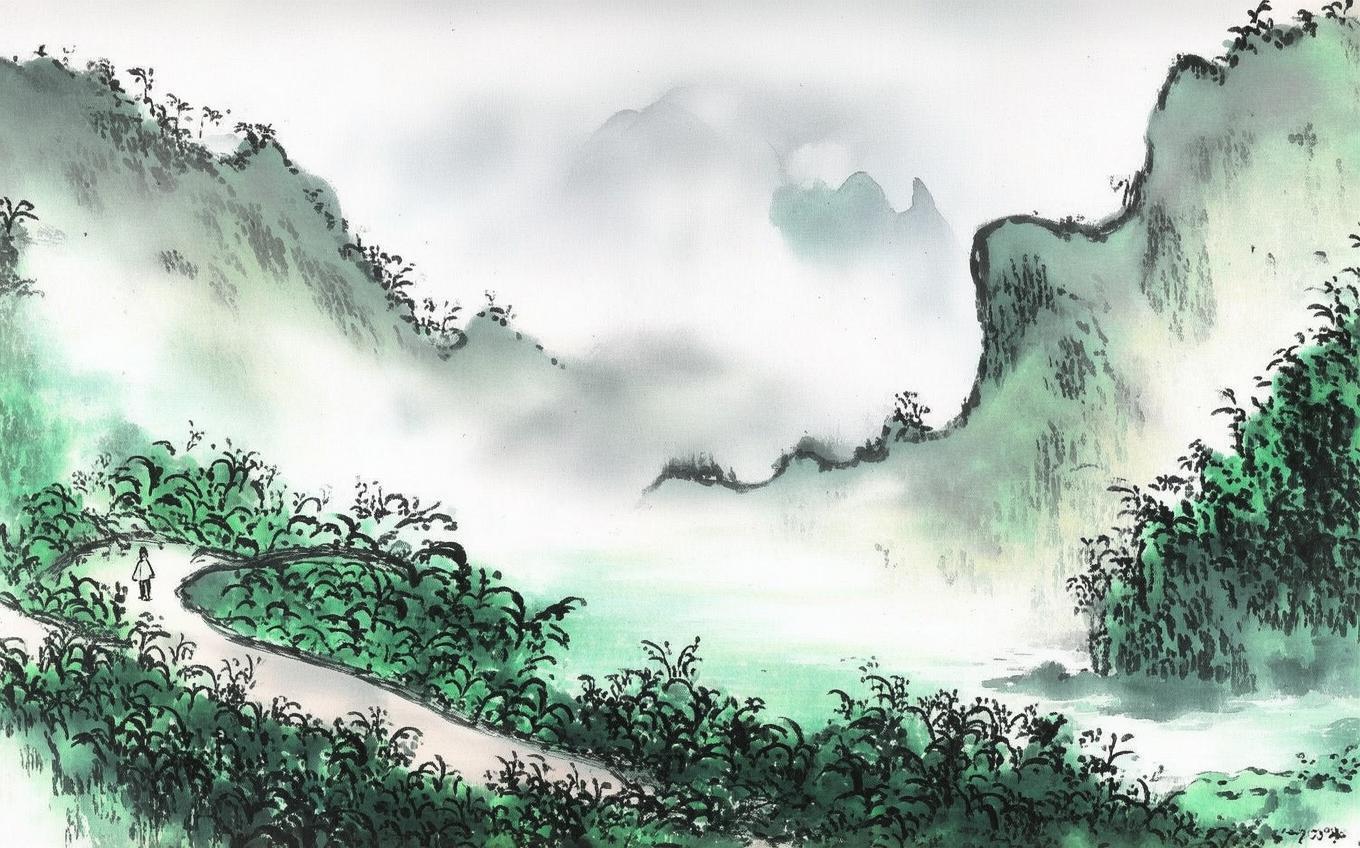
山不在高,有仙则名。
Shān bù zài gāo, yǒu xiān zé míng.
A mountain need not be tall; it is famous if an immortal dwells there.水不在深,有龙则灵。
Shuǐ bù zài shēn, yǒu lóng zé líng.
Water need not be deep; it is divine if a dragon resides within.斯是陋室,惟吾德馨。
Sī shì lòu shì, wéi wú dé xīn.
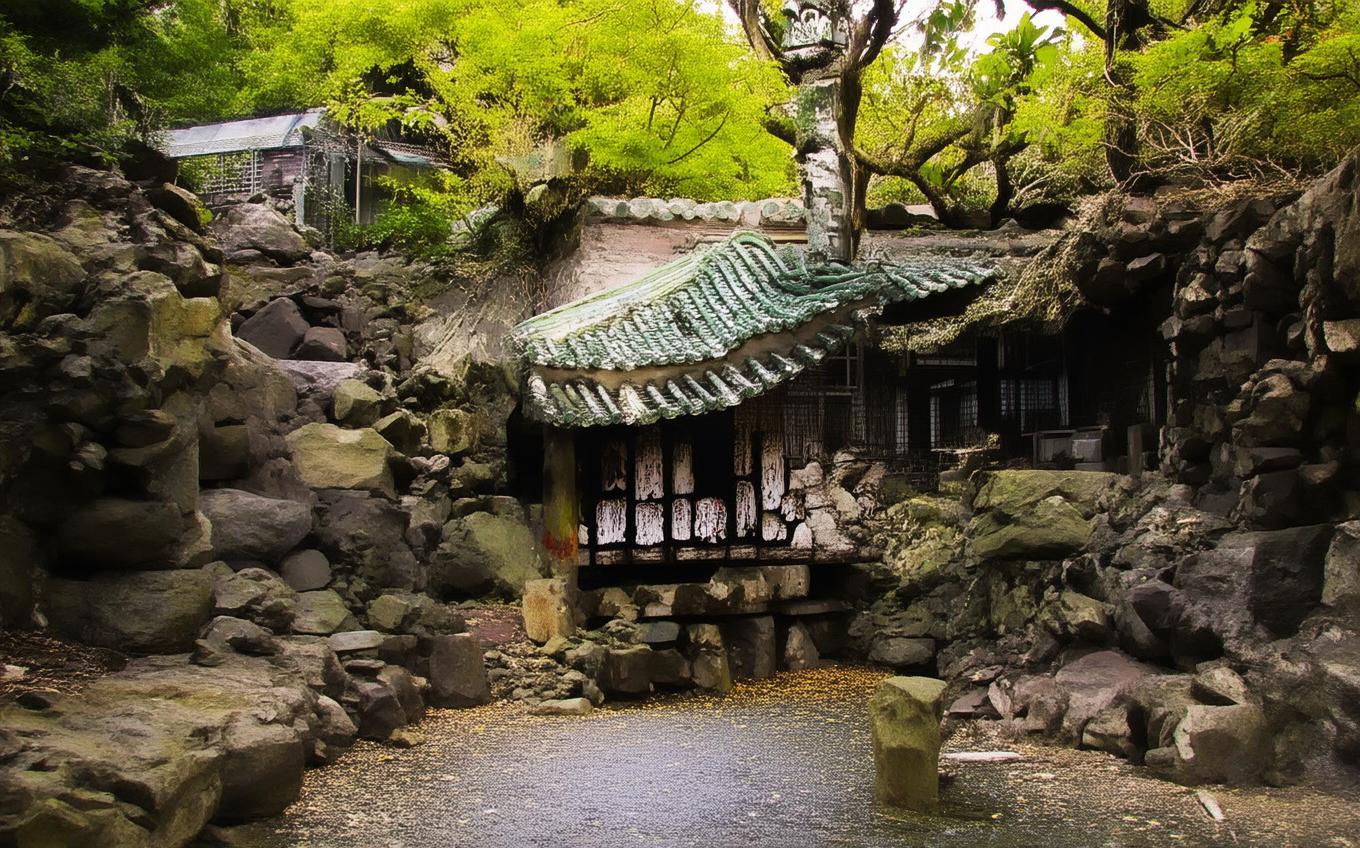
This is a humble abode, but my virtue fills it with fragrance.苔痕上阶绿,草色入帘青。
Tái hén shàng jiē lǜ, cǎo sè rù lián qīng.
Moss creeps green upon the steps; grass tints the blinds with verdure.谈笑有鸿儒,往来无白丁。
Tán xiào yǒu hóng rú, wǎng lái wú bái dīng.
Here, I converse with learned scholars; no commoners come and go.可以调素琴,阅金经。
Kěyǐ tiáo sù qín, yuè jīn jīng.
I may play a plain lute or read a golden scripture.无丝竹之乱耳,无案牍之劳形。
Wú sīzhú zhī luàn ěr, wú àndú zhī láo xíng.
No chaotic music assaults my ears; no official documents weary my body.南阳诸葛庐,西蜀子云亭。
Nányáng Zhūgě lú, Xīshǔ Zǐyún tíng.
Like Zhuge Liang’s thatch hut in Nanyang, or Ziyun’s pavilion in West Shu.孔子云:何陋之有?
Kǒngzǐ yún: Hé lòu zhī yǒu?
As Confucius said: “What humility is there?”
Line-by-Line Analysis
-
Mountain and Water Imagery (Lines 1–2):
The poem opens with natural metaphors, suggesting that true worth lies not in outward grandeur but in inner sanctity. The "immortal" (仙) and "dragon" (龙) symbolize wisdom and power, hinting that the humble abode’s value derives from its occupant’s virtue. -
Declaration of Virtue (Line 3):
The poet asserts that his modest home is dignified by his moral character (德馨, dé xīn), a Confucian ideal linking inner goodness to external harmony. -
Nature’s Beauty (Line 4):
The vivid imagery of moss and grass reflects Daoist appreciation for simplicity and the quiet beauty of an unadorned life. -
Intellectual Companionship (Line 5):
Liu Yuxi contrasts scholarly friends (鸿儒, hóng rú) with "commoners" (白丁, bái dīng), emphasizing the importance of like-minded companionship over social status. -
Spiritual Activities (Lines 6–7):
Playing the lute and reading scriptures symbolize cultural refinement and spiritual cultivation, free from the distractions of worldly noise (丝竹, sīzhú) and bureaucratic burdens (案牍, àndú). -
Historical Parallels (Line 8):
The references to Zhuge Liang (a revered strategist) and Yang Ziyun (a Han Dynasty scholar) align the poet’s humble dwelling with legendary figures who achieved greatness despite modest means. -
Confucian Conclusion (Line 9):
The closing quote from Confucius (何陋之有, Hé lòu zhī yǒu) challenges conventional notions of poverty, asserting that true "humility" lies in recognizing the richness of virtue.
Themes and Symbolism
-
Virtue Over Materialism:
The poem champions moral integrity (德, dé) as the true measure of a person’s worth, rejecting materialism. -
Nature as a Mirror of the Soul:
The lush descriptions of moss and grass reflect the poet’s harmony with nature, a key Daoist theme. -
Resilience in Adversity:
Written during Liu Yuxi’s exile, the poem transforms physical "humility" (陋, lòu) into spiritual triumph.
Cultural Context
Liu Yuxi wrote "陋室铭" during the Tang Dynasty, a golden age of Chinese poetry. His political demotion mirrored the struggles of many scholar-officials who found solace in art and philosophy. The poem synthesizes Confucian ethics (e.g., moral cultivation) with Daoist ideals (e.g., simplicity and detachment), illustrating how classical Chinese literati balanced these traditions.
Conclusion
"陋室铭" is a timeless meditation on the dignity of the human spirit. Its message—that true wealth lies in virtue, wisdom, and contentment—resonates across cultures and centuries. For modern readers, the poem offers a poignant reminder to seek meaning beyond material possessions, embracing the "humility" that nurtures greatness. As Liu Yuxi shows, even the simplest abode can become a palace of the soul.

Comments (0)
No comments yet. Be the first to comment!