Analysis of "小石潭记" - Classical Chinese Poetry
Introduction
"小石潭记" (Xiǎo Shí Tán Jì), or "Record of the Little Stone Pond," is a famous prose piece by the Tang Dynasty writer Liu Zongyuan (柳宗元, 773–819). While not a poem in the strictest sense, this lyrical prose work is often studied alongside classical Chinese poetry due to its rich imagery and philosophical depth. Liu was a prominent figure of the Tang Dynasty's Classical Prose Movement, which sought to return to a simpler, more direct style of writing.
Written during Liu's political exile, "小石潭记" reflects his deep connection with nature and his use of landscape as a mirror for human emotions. The piece holds significant literary value as a masterpiece of Chinese nature writing and has influenced generations of writers.
The Poem: Full Text and Translation
从小丘西行百二十步,隔篁竹,闻水声,如鸣佩环,心乐之。
Cóng xiǎo qiū xī xíng bǎi èr shí bù, gé huáng zhú, wén shuǐ shēng, rú míng pèi huán, xīn lè zhī.
West of the knoll, after walking a hundred and twenty paces, through a bamboo grove, I heard the sound of water, like jade pendants tinkling, and it gladdened my heart.
伐竹取道,下见小潭,水尤清冽。
Fá zhú qǔ dào, xià jiàn xiǎo tán, shuǐ yóu qīng liè.
Cutting through the bamboo to make a path, I saw below a small pond with exceptionally clear and cold water.
全石以为底,近岸,卷石底以出,为坻,为屿,为嵁,为岩。
Quán shí yǐ wéi dǐ, jìn àn, juǎn shí dǐ yǐ chū, wéi chí, wéi yǔ, wéi kān, wéi yán.
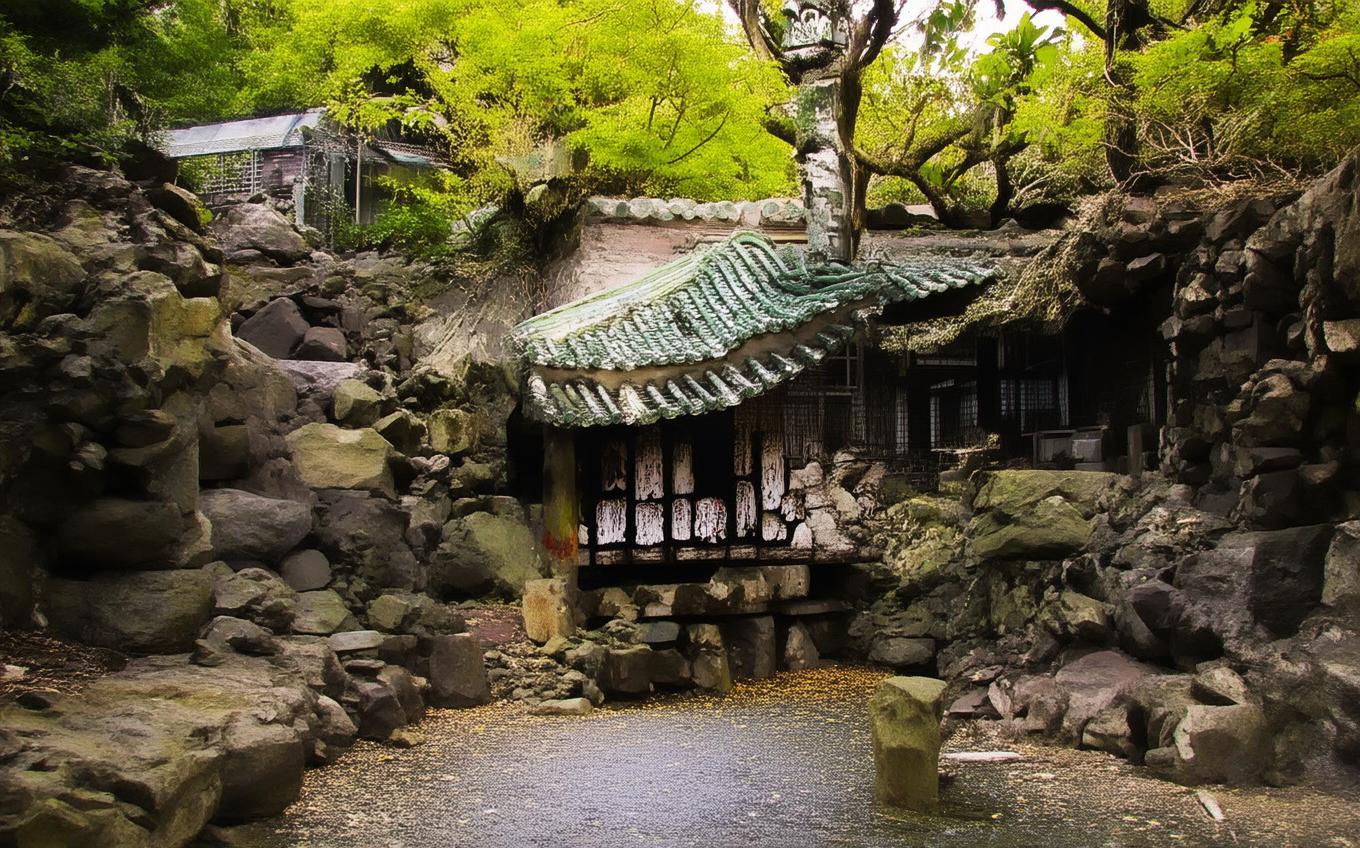
Its bed was made entirely of stone, and near the bank, the stone curled up out of the water, forming islets, islands, cliffs, and crags.
青树翠蔓,蒙络摇缀,参差披拂。
Qīng shù cuì màn, méng luò yáo zhuì, cēn cī pī fú.
Green trees and emerald vines, tangled and swaying, unevenly draped and fluttering.
Line-by-Line Analysis
First Section (Location Discovery):
The opening describes the narrator's journey to discover the pond. The comparison of water sounds to "jade pendants tinkling" (如鸣佩环) creates an auditory image of purity and elegance. This immediately establishes the pond as a place of refined natural beauty.
Second Section (Pond Description):
The description of cutting bamboo emphasizes the pond's hidden, untouched quality. The "exceptionally clear and cold water" (水尤清冽) suggests both physical and spiritual purity, a common theme in Chinese nature writing.
Third Section (Stone Formations):
The detailed description of stone formations shows Liu's careful observation. The verbs "curled up" (卷) and the series of geological terms demonstrate how nature creates art through erosion and time.
Fourth Section (Plant Life):
The final botanical description uses four-character phrases (青树翠蔓,蒙络摇缀) typical of classical Chinese prose. The dancing vines and trees create movement in contrast to the static stones, showing nature's dynamic balance.
Themes and Symbolism
Nature as Refuge:
The pond represents an escape from political turmoil, a common theme in exiled scholars' works. Its seclusion mirrors Liu's own isolation from court politics.
Purity and Transparency:
The clear water symbolizes the Confucian ideal of moral clarity and the Daoist value of natural simplicity. The stones beneath suggest the unchanging truth beneath life's surface disturbances.
Temporary Beauty:
While not explicitly stated, the delicate balance of the scene hints at impermanence - the vines will grow, the stones will erode, reflecting Buddhist influences on Tang literature.
Cultural Context
Written during the Tang Dynasty's middle period (8th-9th century), this work reflects several key cultural aspects:
-
Scholar-Official Culture: Liu's exile was part of the factional struggles common among Tang bureaucrats. Nature writing became an outlet for displaced scholars.
-
Literary Movement: As part of the Classical Prose Movement, Liu rejected ornate writing in favor of this concise, descriptive style that later became model prose.
-
Philosophical Blending: The piece combines Confucian respect for nature's order, Daoist appreciation of natural spontaneity, and Buddhist awareness of transience.
-
Travel Literature Tradition: This belongs to the "youji" (游记) genre - travel records that blend observation with personal reflection.
Conclusion
"小石潭记" endures as a masterpiece of Chinese nature writing because it transforms a simple pond into a multi-layered spiritual landscape. Liu Zongyuan's precise observations and restrained emotions create a work that is both vividly immediate and deeply philosophical.
For modern readers, the piece offers a meditation on finding tranquility in nature amid life's upheavals - a message that resonates across cultures and centuries. The stone pond remains clear in our minds just as it did in Liu's, proving the timeless power of well-observed natural beauty.

Comments (0)
No comments yet. Be the first to comment!