Here’s the detailed explanation of the Chinese word "破山寺后禅院" for English-speaking learners:
Understanding "破山寺后禅院" - Chinese Word Explanation
1. Basic Information
- Word: 破山寺后禅院
- Pinyin: Pòshān Sì hòu Chányuàn
- Literal Meaning: "Broken Mountain Temple’s Rear Meditation Hall"
- Primary Meaning: Refers to the back courtyard or meditation hall of the Po Mountain Temple, a historic Buddhist site in China.
2. In-depth Explanation
Context and Usage
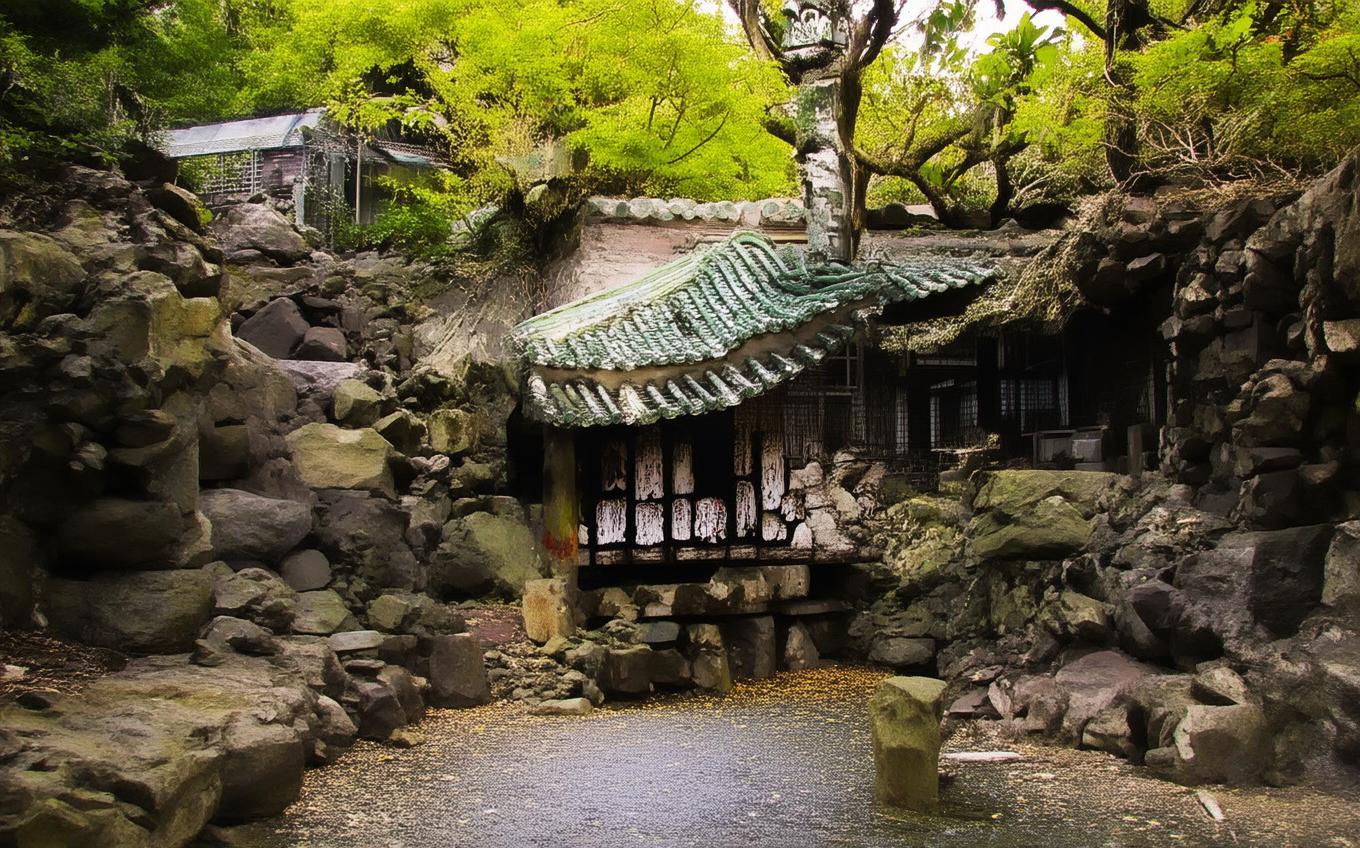
"破山寺后禅院" specifically refers to the rear meditation area of the Po Mountain Temple (破山寺), a famous Buddhist temple in Changshu, Jiangsu Province. The term is often associated with tranquility, spiritual practice, and classical Chinese poetry, as it was immortalized in the Tang Dynasty poem "A Buddhist Retreat Behind Broken-Mountain Temple" (《题破山寺后禅院》) by the poet Chang Jian.
Character Breakdown
- 破 (Pò): "broken" or "to break" – symbolizes the temple’s name (Po Mountain).
- 山 (Shān): "mountain" – refers to the temple’s mountainous location.
- 寺 (Sì): "temple" – indicates it’s a Buddhist place of worship.
- 后 (hòu): "rear" or "behind" – describes the location of the meditation hall.
- 禅院 (Chányuàn): "meditation courtyard" – a quiet space for Zen practice.
3. Example Sentences
-
Chinese: 破山寺后禅院非常幽静。
Pinyin: Pòshān Sì hòu Chányuàn fēicháng yōujìng.
English: The meditation hall behind Po Mountain Temple is extremely serene. -
Chinese: 我们去破山寺后禅院打坐吧。
Pinyin: Wǒmen qù Pòshān Sì hòu Chányuàn dǎzuò ba.
English: Let’s go meditate in the rear hall of Po Mountain Temple. -
Chinese: 这首诗描写了破山寺后禅院的景色。
Pinyin: Zhè shǒu shī miáoxiě le Pòshān Sì hòu Chányuàn de jǐngsè.
English: This poem depicts the scenery of the meditation hall behind Po Mountain Temple.
Cultural Notes
The phrase is deeply tied to Chinese literary and Buddhist culture. The Tang Dynasty poem mentioning it praises the harmony of nature and spirituality, making "破山寺后禅院" a symbol of peace and introspection. The temple itself dates back over 1,500 years and remains a cultural landmark.
Conclusion
"破山寺后禅院" refers to the meditation area of a historic Buddhist temple, embodying tranquility and classical Chinese aesthetics. Remember it as a poetic term linked to Zen practice and natural beauty.
This explanation helps learners grasp the word’s meaning, usage, and cultural significance in English. Let me know if you'd like further clarifications!

Comments (0)
No comments yet. Be the first to comment!