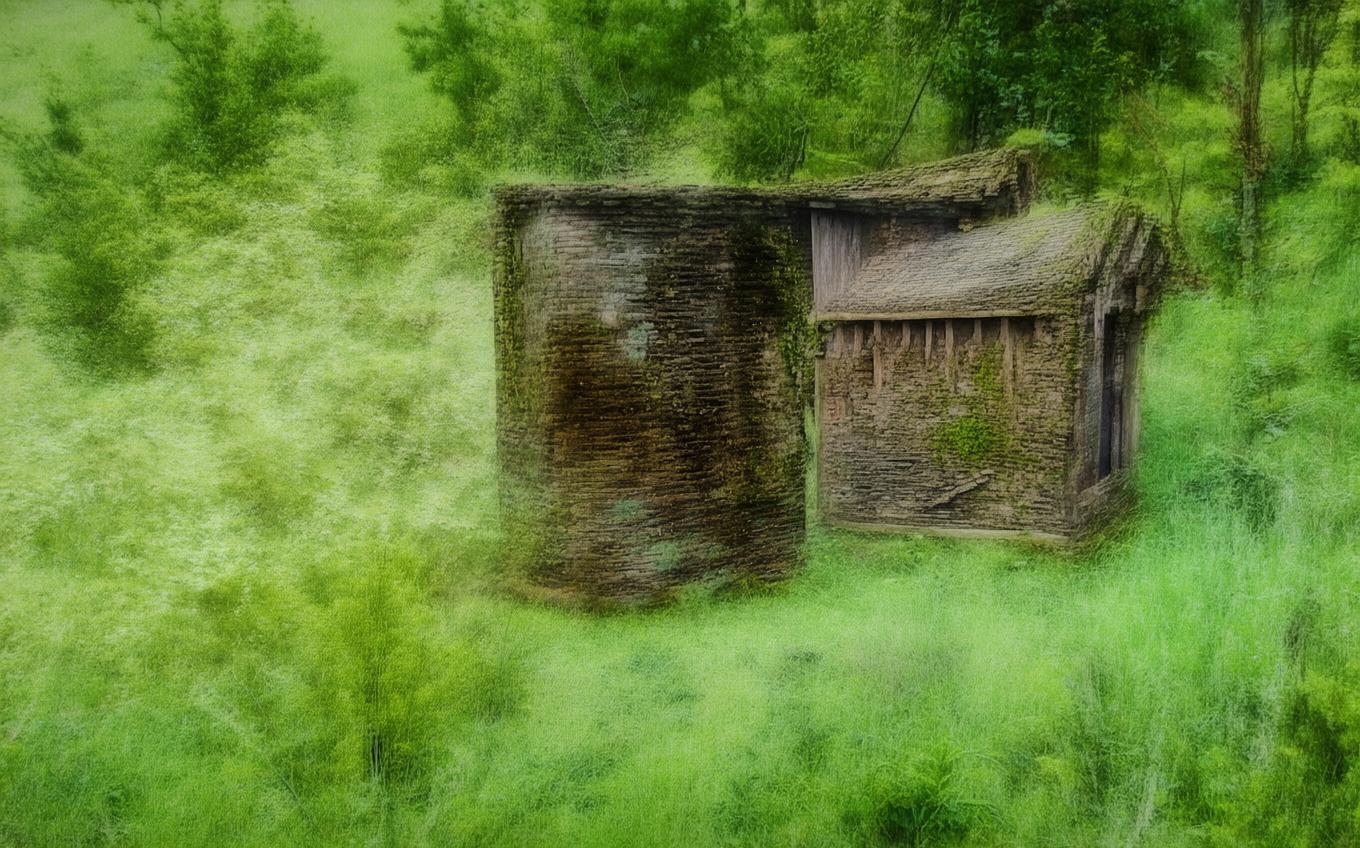
Understanding "岁暮归南山" - Chinese Word Explanation
1. Basic Information
- Word: 岁暮归南山
- Pinyin: suì mù guī nán shān
- Literal Meaning: "Year's end, returning to South Mountain"
- Primary Meaning: A poetic phrase expressing the idea of retreating to nature or one's homeland in old age, often conveying a sense of resignation, solitude, or reflection on life's passing.
2. In-depth Explanation
Context and Usage
"岁暮归南山" originates from classical Chinese poetry and carries deep philosophical and emotional undertones. It reflects the traditional Chinese ideal of withdrawing from worldly affairs in later years, seeking peace in nature. The phrase often appears in literary works to evoke themes of aging, nostalgia, or a desire for simplicity.
Character Breakdown
- 岁 (suì): "year" or "age" – symbolizes the passage of time.
- 暮 (mù): "dusk" or "end" – metaphorically represents the later stages of life.
- 归 (guī): "to return" – implies going back to one's roots or a place of comfort.
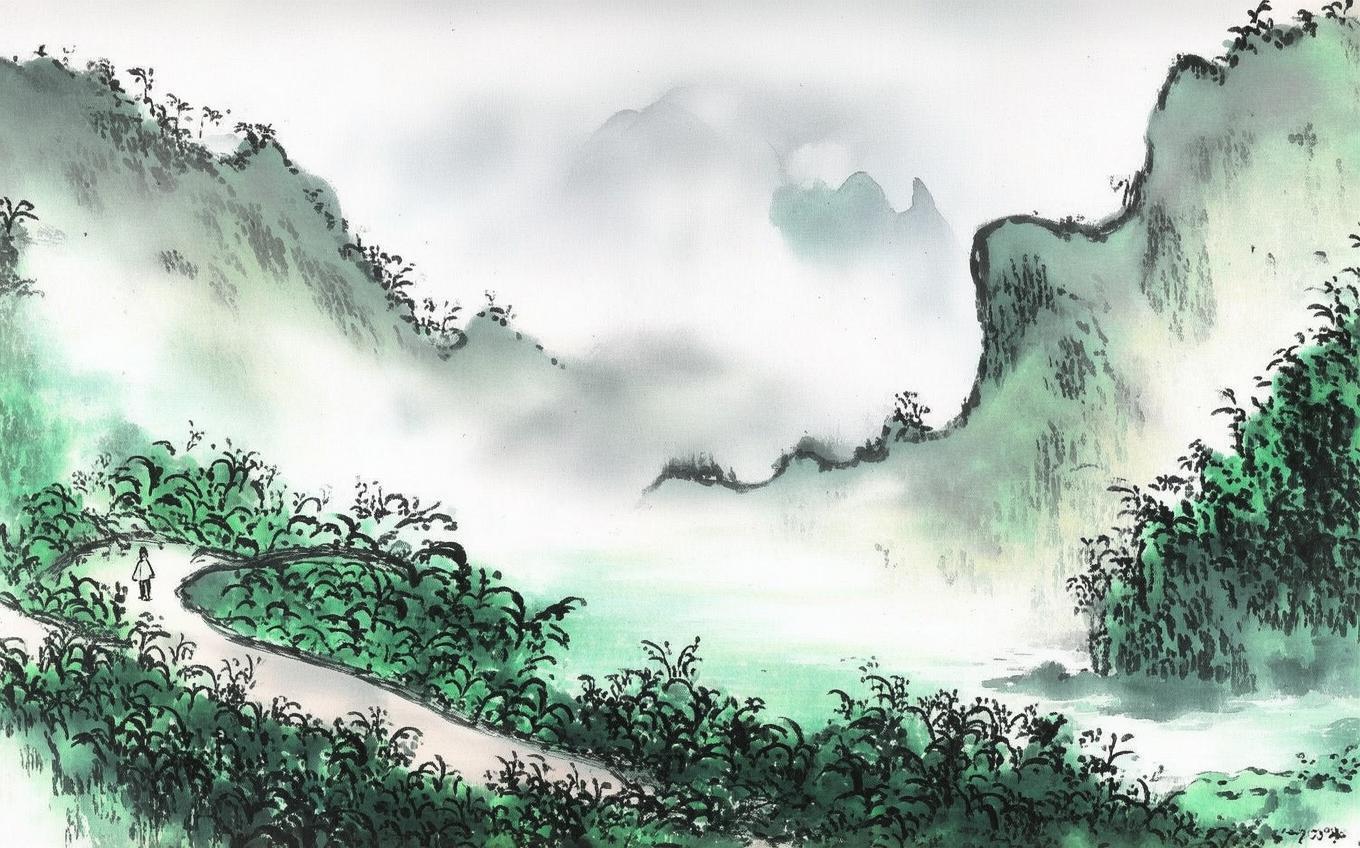
- 南山 (nán shān): "South Mountain" – a symbolic reference to a peaceful, secluded place, often associated with Taoist ideals of harmony with nature.
3. Example Sentences
-
Chinese: 岁暮归南山,静享晚年。
Pinyin: Suì mù guī nán shān, jìng xiǎng wǎn nián.
English: "Returning to South Mountain at year's end, quietly enjoying one's twilight years." -
Chinese: 他决定岁暮归南山,远离尘嚣。
Pinyin: Tā juédìng suì mù guī nán shān, yuǎn lí chén xiāo.
English: "He decided to retreat to South Mountain in his later years, far from the noise of the world." -
Chinese: 岁暮归南山是许多古人的理想。
Pinyin: Suì mù guī nán shān shì xǔduō gǔrén de lǐxiǎng.
English: "Returning to South Mountain in old age was the ideal of many ancient scholars."
Cultural Notes
In Chinese culture, "南山" (South Mountain) is more than just a geographical location—it symbolizes longevity, peace, and spiritual fulfillment. The phrase "岁暮归南山" reflects Confucian and Taoist values, where retiring to nature in old age was seen as a virtuous and dignified way to conclude one's life. Famous poets like Tao Yuanming (陶渊明) romanticized this idea, associating it with pastoral simplicity and inner harmony.
Conclusion
"岁暮归南山" is a beautifully layered phrase that encapsulates the Chinese philosophical approach to aging and nature. For learners, understanding its poetic and cultural significance will deepen appreciation for classical Chinese literature and traditional values. Remember, it’s not just about returning to a place—it’s about returning to oneself.

Comments (0)
No comments yet. Be the first to comment!