
Understanding "早寒江上有怀" - Chinese Word Explanation
1. Basic Information
- Word: 早寒江上有怀
- Pinyin: Zǎo hán jiāng shàng yǒu huái
- Literal Meaning: "Early cold, on the river, with thoughts"
- Primary Meaning: This phrase expresses a reflective or melancholic mood while observing the early cold by the river. It often conveys a sense of solitude, nostalgia, or contemplation.
2. In-depth Explanation
Context and Usage
"早寒江上有怀" is a poetic phrase that originates from classical Chinese literature. It describes a scene where the speaker stands by a river in the early cold (likely autumn or early winter) and is filled with deep emotions or memories. It is often used in poetry or prose to evoke a sense of longing, loneliness, or philosophical reflection.
Character Breakdown
- 早 (zǎo): "Early"
- 寒 (hán): "Cold" (often implying a desolate or chilly atmosphere)
- 江 (jiāng): "River"
- 上 (shàng): "On" or "Above"
- 有 (yǒu): "Have" or "There is"
- 怀 (huái): "Thoughts," "Feelings," or "Nostalgia"
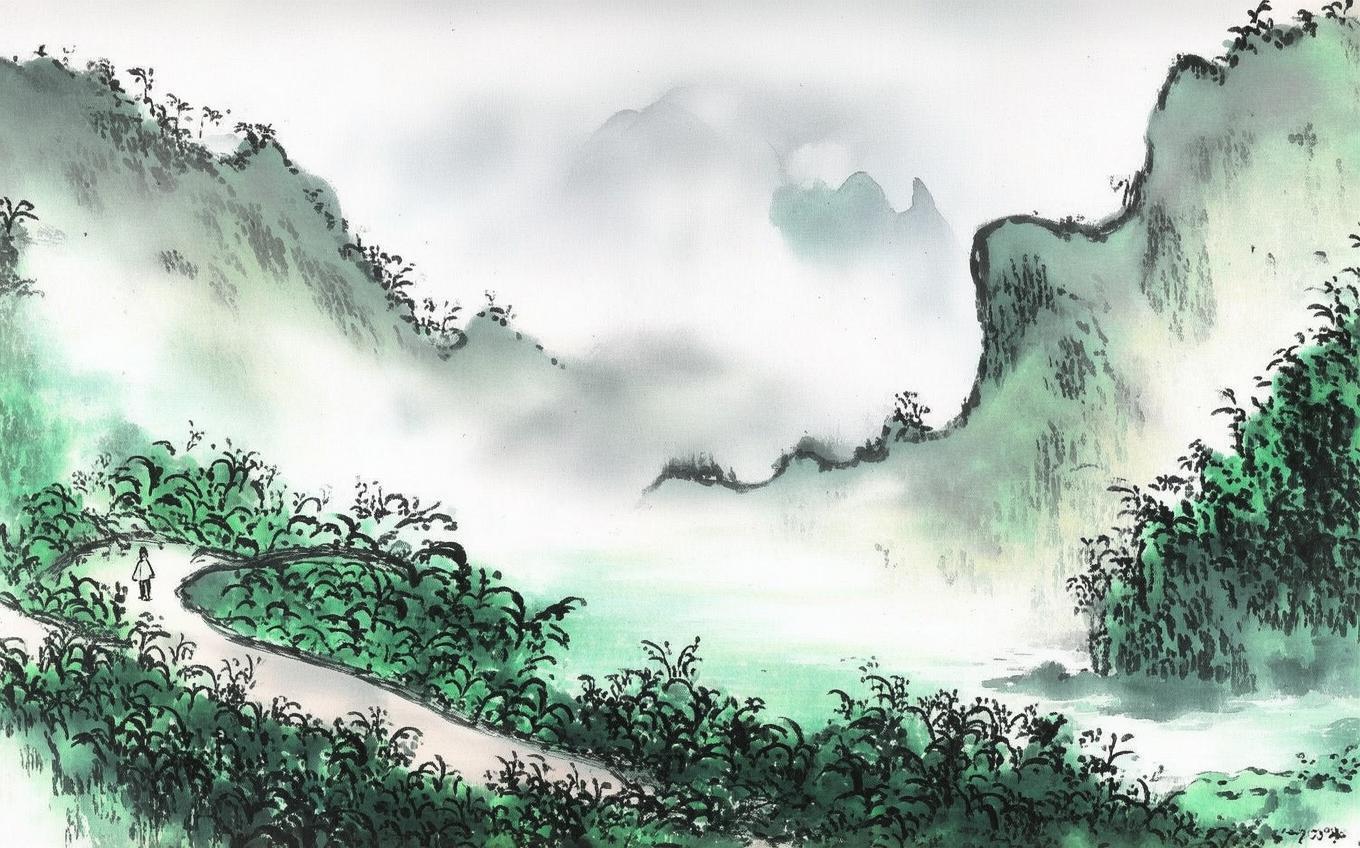
Together, these characters paint a vivid image of someone standing by a cold river, lost in thought.
3. Example Sentences
-
Chinese: 早寒江上有怀,他望着远方,想起了故乡。
Pinyin: Zǎo hán jiāng shàng yǒu huái, tā wàng zhe yuǎnfāng, xiǎng qǐle gùxiāng.
English: With thoughts on the cold river, he gazed into the distance and remembered his hometown. -
Chinese: 这首诗描写了早寒江上有怀的孤独感。
Pinyin: Zhè shǒu shī miáoxiě le zǎo hán jiāng shàng yǒu huái de gūdú gǎn.
English: This poem describes the loneliness of having reflective thoughts by the cold river. -
Chinese: 早寒江上有怀,是许多古代文人的共同情感。
Pinyin: Zǎo hán jiāng shàng yǒu huái, shì xǔduō gǔdài wénrén de gòngtóng qínggǎn.
English: "Thoughts on the cold river" was a shared sentiment among many ancient scholars.
Cultural Notes
This phrase reflects the classical Chinese literary tradition of using nature to express inner emotions. Rivers (江) often symbolize the passage of time or life’s journey, while "cold" (寒) can represent hardship or emotional distance. Many famous poets, such as Meng Haoran (孟浩然), used similar imagery to convey solitude or longing for home.
Conclusion
"早寒江上有怀" is a beautifully evocative phrase that captures a moment of reflection in a chilly riverside setting. It’s a great example of how Chinese poetry blends natural scenery with deep emotion. Remember it as a way to describe wistful thoughts in a cold, serene environment.



Comments (0)
No comments yet. Be the first to comment!