Analysis of "秋夜寄邱员外" - Classical Chinese Poetry
Introduction
"秋夜寄邱员外" (Qiū Yè Jì Qiū Yuánwài, "To Imperial Clerk Qiu on an Autumn Night") is a famous five-character quatrain by the Tang Dynasty poet Wei Yingwu (韦应物, 737–792). Wei was known for his refined and understated style, often depicting quiet scenes of nature and solitude. This poem, written during the Tang Dynasty's golden age of poetry, reflects the classical Chinese aesthetic of yijing (意境)—a harmonious blend of emotion and scenery.
The poem captures the poet’s thoughts while alone on an autumn night, imagining his friend Qiu Dan (邱丹), a recluse-scholar, also immersed in meditation. It is a masterpiece of restrained elegance, embodying the Confucian ideal of friendship and the Daoist appreciation for tranquility.
The Poem: Full Text and Translation
怀君属秋夜
Huái jūn shǔ qiū yè
Thinking of you on this autumn night,散步咏凉天
Sàn bù yǒng liáng tiān
I stroll, chanting in the cool air.空山松子落
Kōng shān sōng zǐ luò
In the empty mountains, pine cones fall—幽人应未眠
Yōu rén yīng wèi mián
My secluded friend must still be awake.
Line-by-Line Analysis
-
"怀君属秋夜" (Huái jūn shǔ qiū yè)
- The poem opens with the poet’s quiet longing for his friend Qiu. Autumn nights in Chinese poetry often symbolize melancholy and reflection. The phrase huái jūn ("thinking of you") conveys deep but restrained emotion. -
"散步咏凉天" (Sàn bù yǒng liáng tiān)
- The poet takes a solitary walk under the crisp autumn sky, murmuring verses. The liáng tiān ("cool air") suggests a serene, almost meditative atmosphere. -
"空山松子落" (Kōng shān sōng zǐ luò)
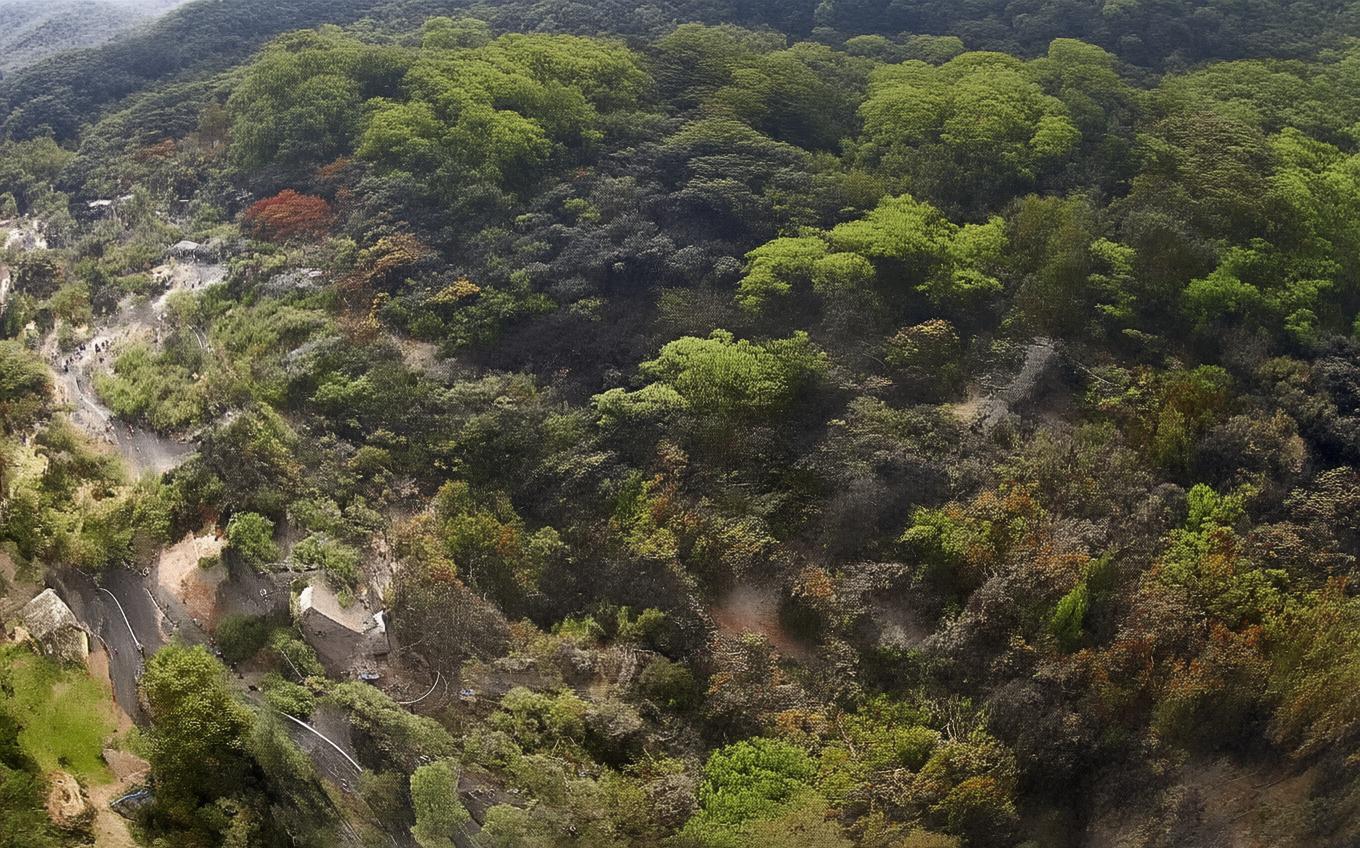
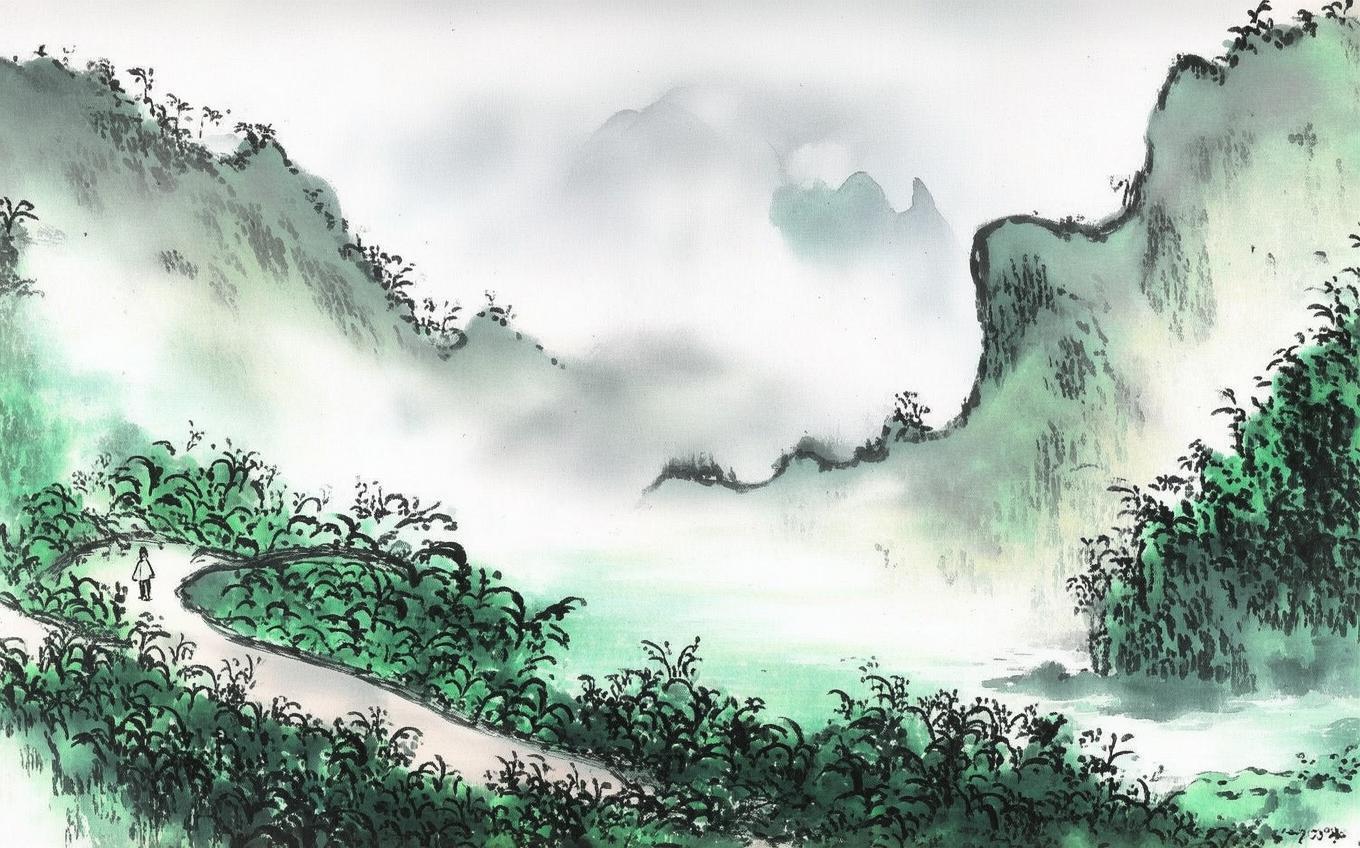
- The image of pine cones falling in kōng shān ("empty mountains") evokes stillness and the passage of time. The sound of falling pine cones is a classic Chinese trope for quietude. -
"幽人应未眠" (Yōu rén yīng wèi mián)
- The poet imagines his friend, a yōu rén ("secluded person"), also awake—perhaps meditating or reading. This line bridges physical distance through shared spiritual solitude.
Themes and Symbolism
-
Friendship Across Distance
- The poem expresses zhījǐ (知己, "knowing-each-other friendship"), a Confucian ideal where friends understand each other deeply, even when apart. -
Autumn as a Symbol
- Autumn represents both beauty and transience. The cool night air and falling pine cones mirror the poet’s quiet introspection. -
Solitude and Harmony
- The yōu rén (recluse) embodies Daoist ideals of living in harmony with nature. The poem suggests that true friends are united in spirit, not just proximity.
Cultural Context
- Tang Dynasty Poetry: This era prized subtlety and emotional depth. Wei Yingwu’s work often reflects the wanyue (婉约, "graceful restraint") style.
- Recluse Culture: Many Tang scholars admired hermits like Qiu Dan, who withdrew from politics to pursue spiritual and literary refinement.
- Nature in Chinese Poetry: The pine symbolizes endurance, while empty mountains suggest a mind free from worldly clutter—a common metaphor in Chan (Zen) Buddhism.
Conclusion
"秋夜寄邱员外" is a masterpiece of economy and depth. In just 20 characters, Wei Yingwu captures the quiet beauty of autumn, the bond of friendship, and the shared solitude of kindred spirits. Its timeless appeal lies in its universal themes—longing, nature, and the inner life—making it resonate even with modern readers.
As you read it, imagine the whisper of falling pine cones and the hush of a Tang Dynasty night. Some friendships, like poetry, transcend time and distance.

Comments (0)
No comments yet. Be the first to comment!