Analysis of "山中送别" - Classical Chinese Poetry
Introduction
"山中送别" (Shān Zhōng Sòng Bié, "Farewell in the Mountains") is a famous poem by the Tang Dynasty poet Wang Wei (王维, 699–759). Known for his serene and picturesque style, Wang Wei was a master of shanshui (landscape) poetry and a devout Buddhist, which deeply influenced his work. This poem, though brief, captures the quiet melancholy of parting and the timeless beauty of nature. It is celebrated for its simplicity, emotional depth, and philosophical undertones, making it a quintessential example of classical Chinese poetry.
The Poem: Full Text and Translation
山中相送罢
Shān zhōng xiāng sòng bà
After seeing off my friend in the mountains,日暮掩柴扉
Rì mù yǎn chái fēi
At dusk, I close my wicker gate.春草明年绿
Chūn cǎo míng nián lǜ
The spring grass will turn green next year,王孙归不归
Wáng sūn guī bù guī
But will my noble friend return?
Line-by-Line Analysis
-
"After seeing off my friend in the mountains"
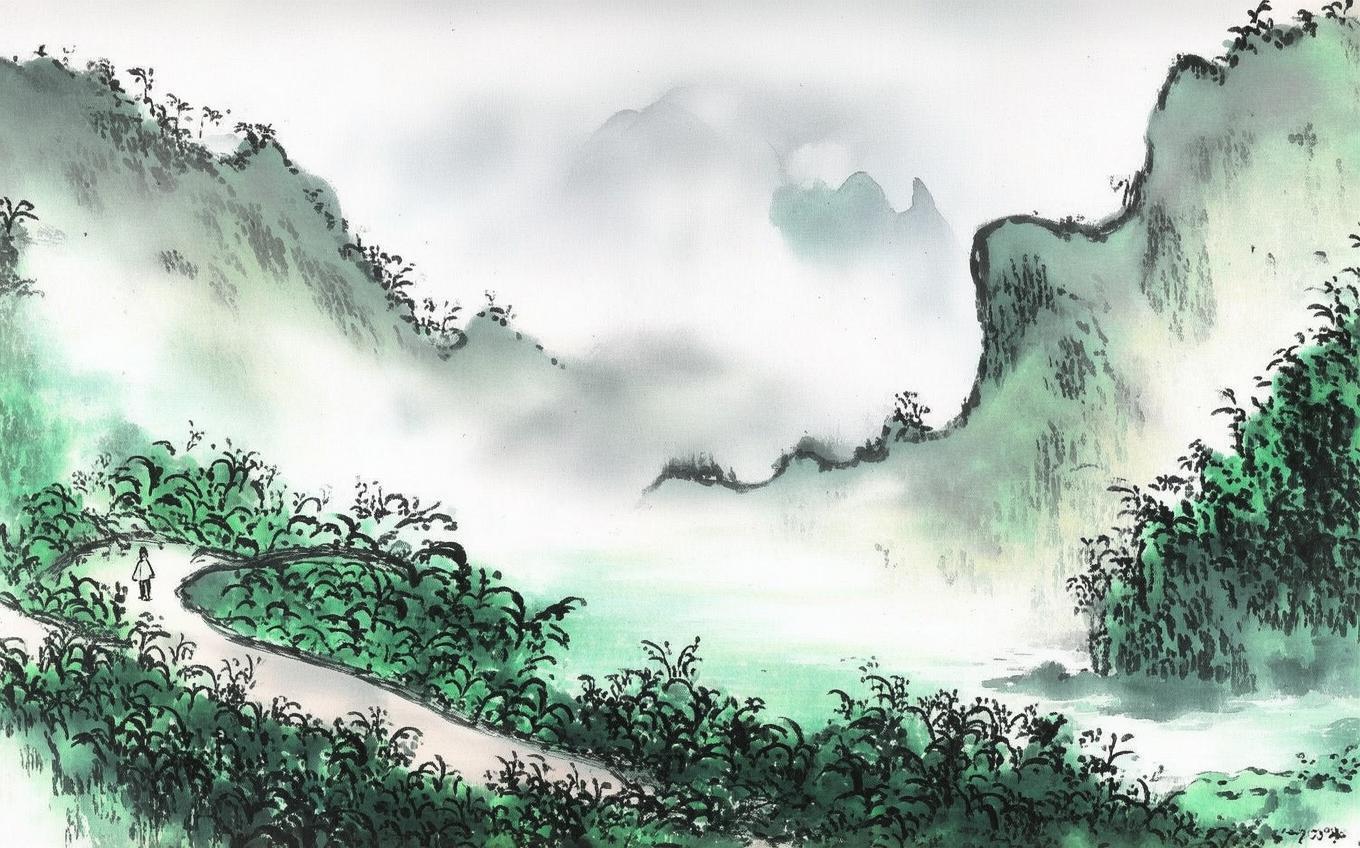
The poem opens with a simple statement of farewell, set against the backdrop of the mountains. The setting suggests solitude and tranquility, typical of Wang Wei's style. -
"At dusk, I close my wicker gate"
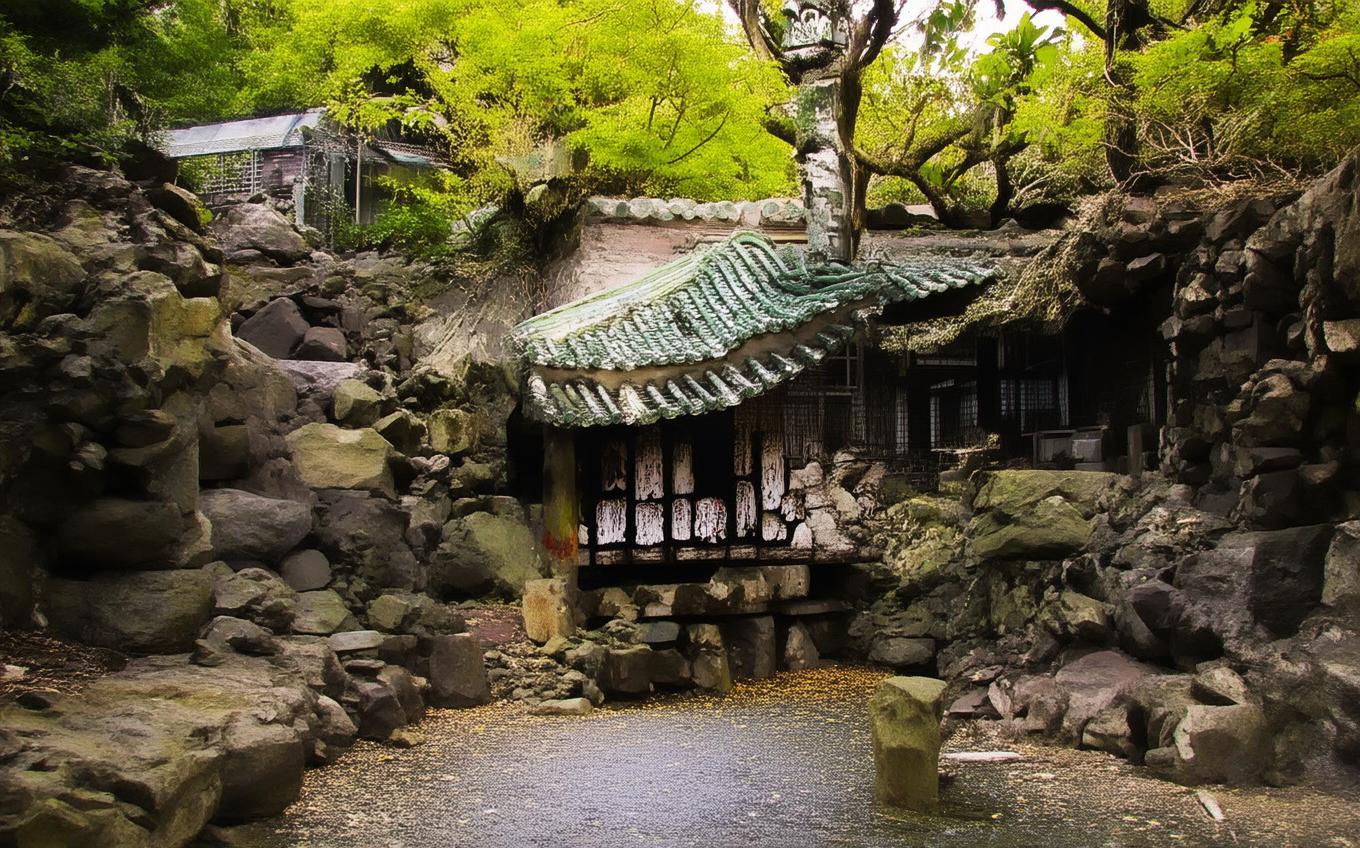
The image of closing the gate at dusk evokes a sense of finality and loneliness. The "wicker gate" (chái fēi) symbolizes rustic simplicity, reinforcing the poet's connection to nature. -
"The spring grass will turn green next year"
Here, nature's cyclical renewal contrasts with human impermanence. The grass will regrow, but the poet questions whether his friend will return, highlighting the uncertainty of life. -
"But will my noble friend return?"
The term wáng sūn (王孙, "noble friend") is an archaic expression for a cherished companion. The rhetorical question underscores the poem's central theme: the bittersweet nature of parting and the hope—or doubt—of reunion.
Themes and Symbolism
- Transience vs. Permanence: The poem contrasts the fleeting nature of human relationships with the eternal cycles of nature (e.g., the regrowing grass).
- Solitude and Longing: The closing gate and the unanswered question convey deep loneliness and yearning.
- Nature as a Mirror of Emotion: Wang Wei often uses landscapes to reflect inner feelings. Here, the mountains and dusk mirror the poet's melancholy.
Cultural Context
Wang Wei lived during the Tang Dynasty (618–907), a golden age of Chinese poetry. His works are deeply influenced by Chan (Zen) Buddhism, emphasizing harmony with nature and acceptance of impermanence. "Farewell in the Mountains" exemplifies the wuyan jueju (five-character quatrain) form, prized for its brevity and depth.
In Chinese culture, farewell poems (sòngbié shī) are a traditional genre expressing the sorrow of separation and the hope of reunion. Wang Wei's poem stands out for its understated elegance and philosophical resonance, reflecting Confucian values of friendship and Daoist appreciation of nature.
Conclusion
"山中送别" is a masterpiece of economy and emotion, capturing the universal experience of parting with quiet grace. Its enduring appeal lies in its ability to evoke profound feelings through simple imagery and unanswered questions. Today, it reminds us of the timeless human struggle to reconcile attachment with impermanence—a theme as relevant now as it was over a millennium ago.
For readers exploring Chinese poetry, Wang Wei's work offers a perfect entry point: a moment of beauty, longing, and reflection, distilled into just twenty characters.

Comments (0)
No comments yet. Be the first to comment!