Analysis of "早春呈水部张十八员外" - Classical Chinese Poetry
Introduction
The poem 早春呈水部张十八员外 (Zǎo Chūn Chéng Shuǐ Bù Zhāng Shí Bā Yuán Wài), or Early Spring Presented to Imperial Hydraulic Official Zhang Ji, was written by the Tang Dynasty poet Han Yu (韩愈, 768–824), a prominent scholar and statesman known for reviving classical Confucian prose. This poem is a masterpiece of Tang poetry, capturing the delicate beauty of early spring and reflecting the refined aesthetic sensibilities of Chinese literati.
Written as a gift to his friend Zhang Ji (张籍), a fellow official and poet, the work exemplifies the tradition of exchanging poetry among scholars. Its vivid imagery and philosophical undertones make it one of the most celebrated nature poems in Chinese literature.
The Poem: Full Text and Translation
天街小雨润如酥
Tiān jiē xiǎo yǔ rùn rú sū
The light rain on the royal streets moistens like creamy cheese,草色遥看近却无
Cǎo sè yáo kàn jìn què wú
Grass hues seen from afar vanish when viewed up close.最是一年春好处
Zuì shì yī nián chūn hǎo chù
This is truly spring’s finest moment,绝胜烟柳满皇都
Jué shèng yān liǔ mǎn huáng dū
Far surpassing the willow-filled imperial capital in late spring.
Line-by-Line Analysis
-
"天街小雨润如酥"
- Han Yu opens with a tactile metaphor, comparing the gentle spring rain to 酥 (sū), a rich dairy product symbolizing tenderness and nourishment. The "royal streets" (天街) suggest the grandeur of Chang’an (the Tang capital), yet the focus is on the rain’s subtle, life-giving quality. -
"草色遥看近却无"
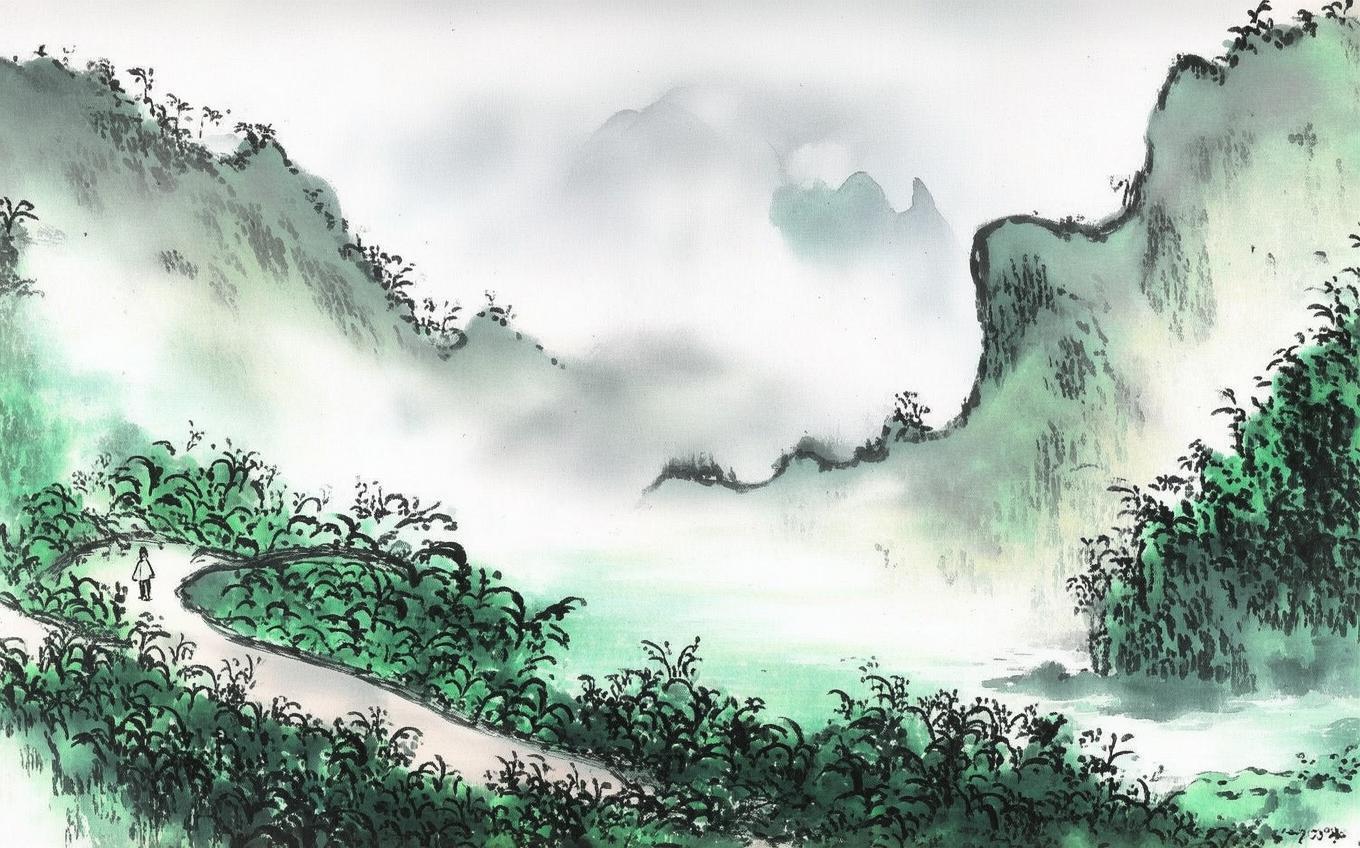
- This line plays with perspective: the faint green of new grass is visible from a distance but disappears when approached. It captures the elusive, almost magical quality of early spring growth, embodying the Daoist idea that some beauty is best appreciated indirectly. -
"最是一年春好处"
- The poet declares this fleeting stage—when nature is barely awakening—as spring’s pinnacle. The phrasing conveys a Confucian appreciation for potential and renewal, themes central to Han Yu’s philosophy. -
"绝胜烟柳满皇都"
- The poem contrasts early spring’s subtlety with the obvious beauty of later spring, when willows dominate the capital. Han Yu implies that true elegance lies in understatement, a value deeply rooted in Chinese aesthetics.
Themes and Symbolism
- Transience and Imperceptibility: The vanishing grass symbolizes how the most profound beauty is often subtle and temporary, echoing Buddhist and Daoist teachings on impermanence.
- Harmony with Nature: The poem reflects the Chinese ideal of 天人合一 (tiān rén hé yī, "unity of heaven and humanity"), where humans observe and cherish nature’s quiet transformations.
- Literary Friendship: As a gift to Zhang Ji, the poem also embodies the Tang tradition of 酬唱 (chóu chàng, "poetic exchange"), where scholars used poetry to bond and debate ideas.
Cultural Context
Han Yu wrote during the Mid-Tang period, a time of cultural flourishing but also political turmoil. His emphasis on "early spring" may metaphorically advocate for modest, incremental reform—a stance he championed in his government career.
The poem’s focus on small details aligns with the Tang aesthetic of 含蓄 (hánxù, "reserved expression"), where meaning is suggested rather than stated. This approach influenced later poets and painters, particularly in the Song Dynasty.
Conclusion
早春呈水部张十八员外 is a deceptively simple poem that celebrates the quiet wonder of beginnings. Its imagery—ephemeral grass, nurturing rain—invites readers to slow down and observe the world with patience and humility.
Today, the poem’s message resonates universally: it reminds us to cherish fleeting moments of beauty and to find wisdom in nature’s gentle transitions. For learners of Chinese culture, it offers a perfect gateway into the refined artistry of classical poetry.
"The best spring is the one just awakening—seen but not grasped, like the poet’s brushstrokes on the page."

Comments (0)
No comments yet. Be the first to comment!