Analysis of "生查子·元夕" - Classical Chinese Poetry
Introduction
The poem "生查子·元夕" (Shēng Zhā Zǐ · Yuán Xī) is attributed to Ouyang Xiu (欧阳修), a prominent statesman, historian, and poet of the Northern Song Dynasty (960–1127). This lyrical piece captures the bittersweet emotions of love and longing during the Lantern Festival (Yuánxiāo Jié), one of China's most romantic traditional holidays. The poem's enduring popularity stems from its delicate interplay between festive joy and personal sorrow, making it a quintessential example of Song Dynasty ci poetry (lyrical poetry set to music).
The Poem: Full Text and Translation
去年元夜时
Qùnián yuán yè shí
Last year on lunar festival night花市灯如昼
Huā shì dēng rú zhòu
Flower markets bright as day with lantern light月上柳梢头
Yuè shàng liǔ shāo tóu
The moon climbed willow tops人约黄昏后
Rén yuē huánghūn hòu
We pledged to meet after dusk今年元夜时
Jīnnián yuán yè shí
This year on lunar festival night月与灯依旧
Yuè yǔ dēng yījiù
Moon and lanterns remain the same不见去年人
Bùjiàn qùnián rén
But last year's beloved is gone泪湿春衫袖
Lèi shī chūn shān xiù
Tears soak my spring robe's sleeve
Line-by-Line Analysis
First Stanza (Nostalgic Recollection)
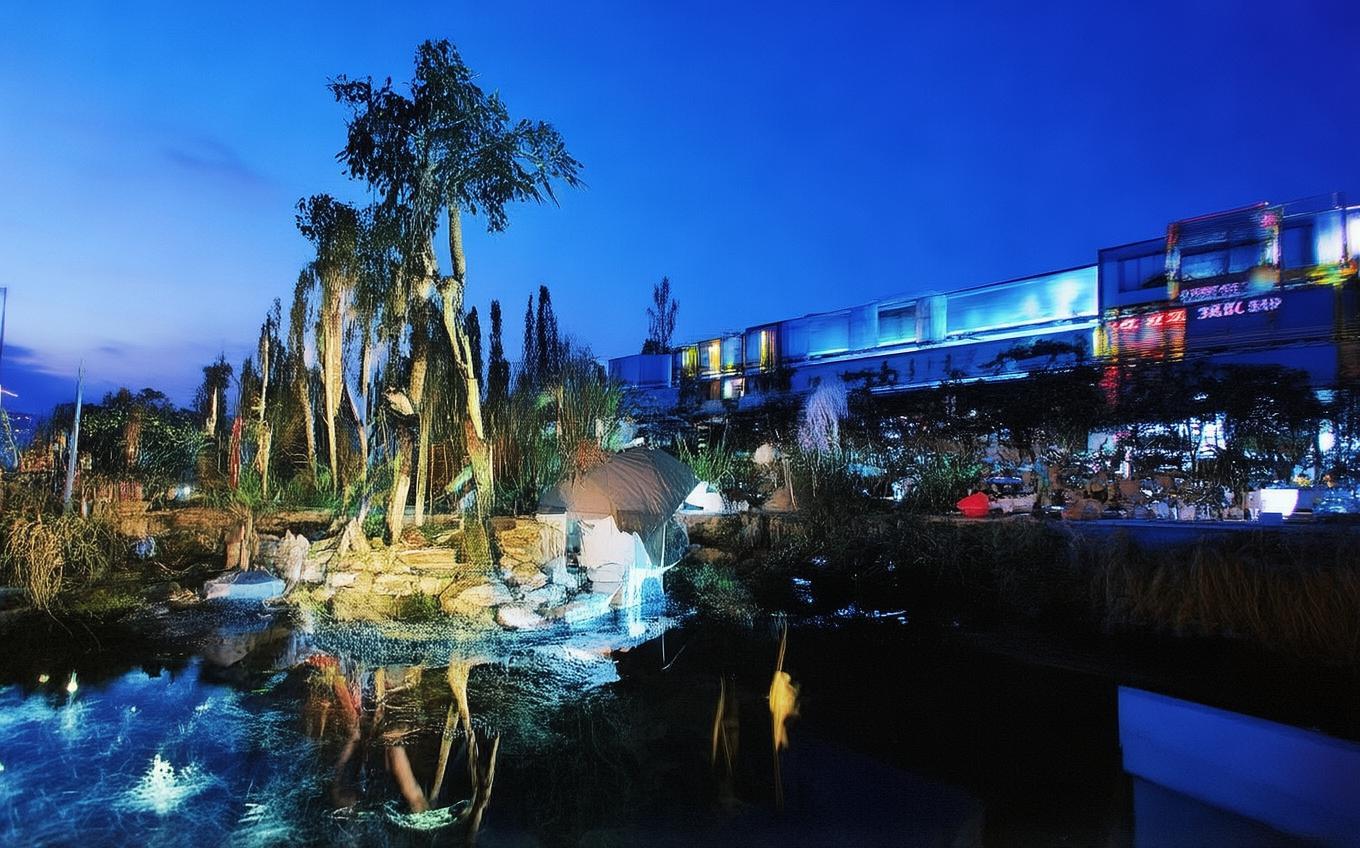
The opening establishes a vibrant festival scene with "lanterns bright as day" - a characteristic Yuanxiao celebration where streets became rivers of light. The "moon on willow tops" symbolizes both the passage of time (willows represent fleeting moments) and romantic secrecy, as willows often shaded lovers' trysts in classical poetry. The phrase "after dusk" (黄昏后) carries cultural weight, as this was the traditional time for clandestine meetings in imperial China.
Second Stanza (Painful Contrast)
The repetition of "this year" creates jarring parallelism. While the external scenery remains unchanged ("moon and lanterns the same"), the absence of the beloved transforms the festive atmosphere into a personal tragedy. The final image of tear-soaked sleeves employs the classical trope of "spring robes" (春衫) - lightweight garments symbolizing youth and romance, now stained with grief.
Themes and Symbolism
- Transience vs. Permanence: The unchanging moon and lanterns highlight the impermanence of human relationships against nature's cycles.
- Festival Paradox: Yuanxiao Festival's collective joy intensifies personal sorrow, a common theme in Chinese "festival poems."
- Natural Symbolism:
- Willows (柳): Represent both romantic encounters (from their shady branches) and separation (from the homophone 留, meaning "to stay")
- Moon (月): Traditional symbol of constancy and reunion - Temporal Structure: The poem's before/after format exemplifies the Chinese literary device "今昔对比" (past-present contrast).
Cultural Context
Written during the Song Dynasty's cultural flourishing, the poem reflects several key aspects:
- Yuanxiao Festival: The only night when unmarried women could freely socialize, making it prime time for romantic encounters.
- Ci Poetry Conventions: The Shengzhazi musical form typically features five-character lines with strict tonal patterns, creating a rhythmic lament.
- Confucian Influence: The restrained expression of grief ("tears soak sleeves" rather than loud wailing) aligns with the ideal of emotional moderation.
Notably, some scholars debate whether this poem was actually written by Zhu Shuzhen, a female poet, as it unusually centers a woman's perspective for its era.
Conclusion
"生查子·元夕" masterfully transforms a public celebration into an intimate meditation on love and loss. Its enduring appeal lies in the universal experience of revisiting places filled with absent presences - a sentiment transcending time and culture. Modern readers may find resonance in how the poem captures that peculiar loneliness of being surrounded by joy, making this 1,000-year-old verse strikingly contemporary. The delicate balance between vivid festival imagery and private sorrow exemplifies why classical Chinese poetry continues to move audiences worldwide.

Comments (0)
No comments yet. Be the first to comment!