Analysis of "寿阳曲·远浦帆归" - Classical Chinese Poetry
Introduction
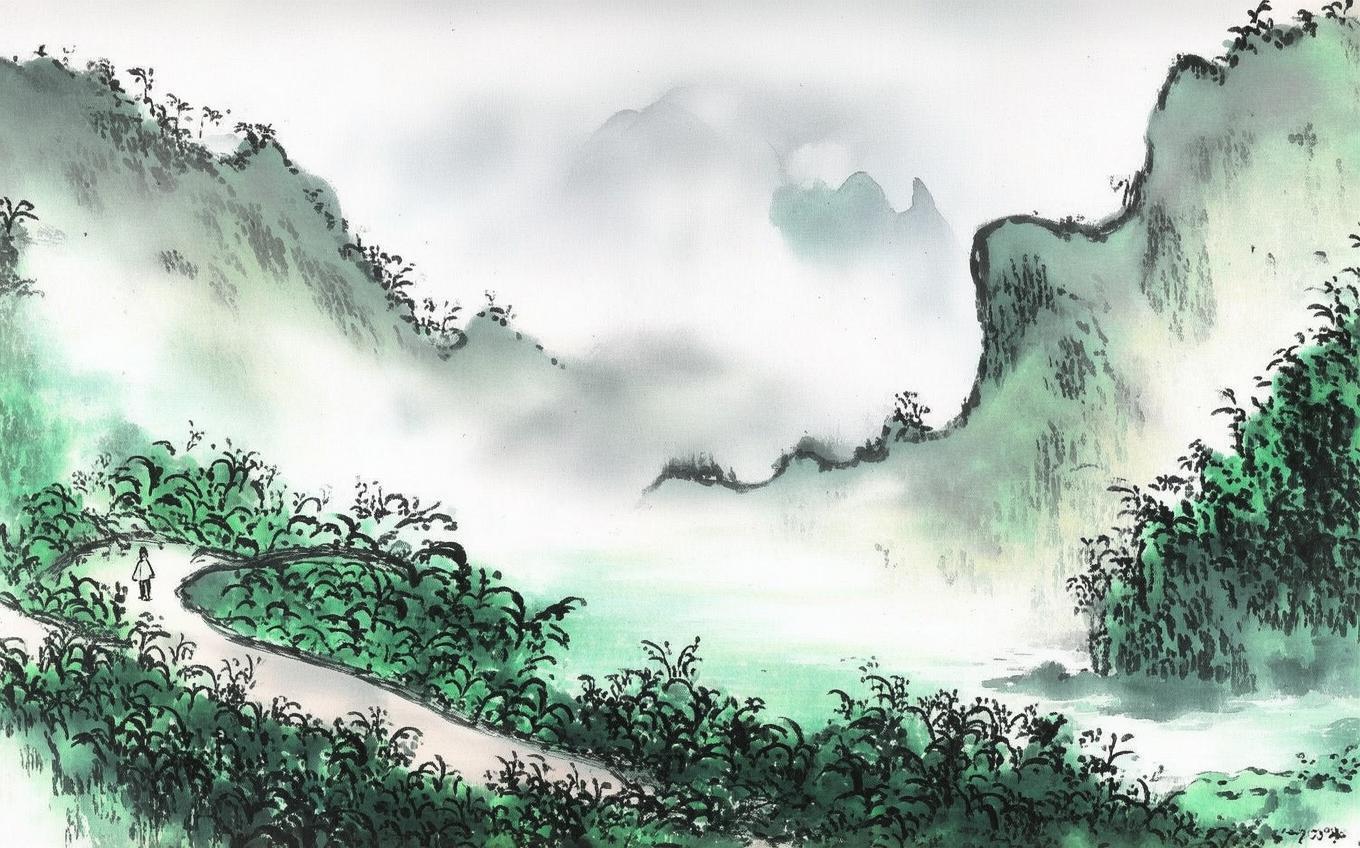
"寿阳曲·远浦帆归" (Shòu Yáng Qǔ·Yuǎn Pǔ Fān Guī) is a famous sanqu (散曲) poem by Ma Zhiyuan (马致远), a prominent poet and playwright of the Yuan Dynasty (1271–1368). Known for his melancholic and picturesque style, Ma Zhiyuan excelled in capturing the beauty of nature and the solitude of human existence. This poem, part of a series of xiaoling (小令, short lyrical songs), depicts a serene riverside scene at dusk, blending natural imagery with subtle emotional depth. It is celebrated for its simplicity, vividness, and philosophical undertones, making it a gem of classical Chinese poetry.
The Poem: Full Text and Translation
夕阳下
Xī yáng xià
Under the setting sun,酒旆闲
Jiǔ pèi xián
The tavern flag hangs idle,两三航未曾着岸
Liǎng sān háng wèi céng zhuó àn
Two or three boats have yet to dock.落花水香茅舍晚
Luò huā shuǐ xiāng máo shè wǎn
Fallen petals scent the water; thatched huts stand in evening calm.断桥头卖鱼人散
Duàn qiáo tóu mài yú rén sàn
By the broken bridge, the fish sellers have all gone.
Line-by-Line Analysis
-
"夕阳下" (Under the setting sun)
- The opening line sets the scene at dusk, a time often associated with reflection and solitude in Chinese poetry. The setting sun symbolizes the passage of time and the quiet end of a day. -
"酒旆闲" (The tavern flag hangs idle)
- The idle tavern flag suggests stillness—perhaps the day's activities have ceased, or the poet observes a moment of pause. The image evokes a sense of tranquility. -
"两三航未曾着岸" (Two or three boats have yet to dock)
- The boats not yet docked introduce movement into the stillness, hinting at anticipation or the lingering busyness of life. The poet may be subtly contrasting human activity with nature's calm. -
"落花水香茅舍晚" (Fallen petals scent the water; thatched huts stand in evening calm)
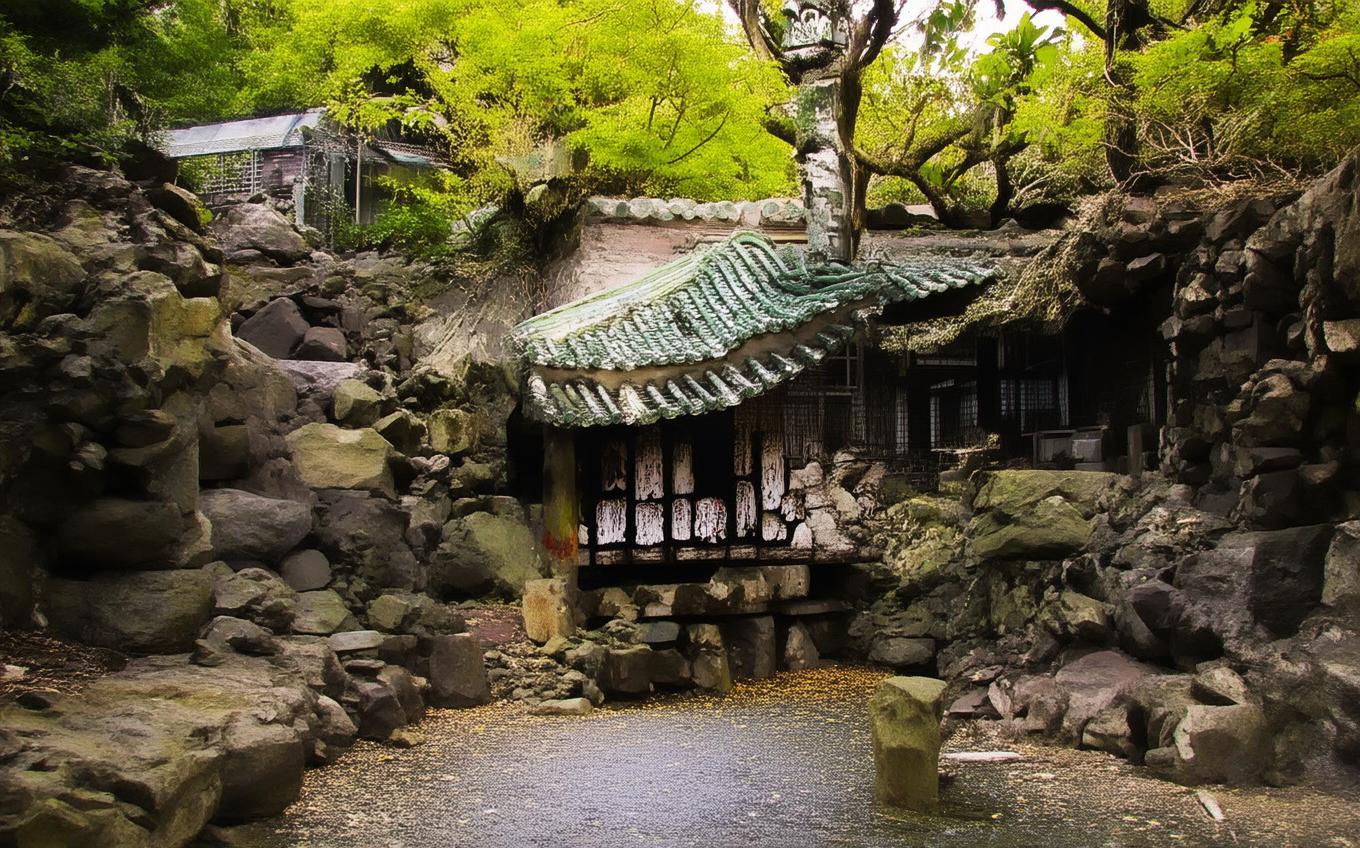
- This line is rich in sensory imagery: the fragrance of fallen petals, the quiet beauty of rural life (thatched huts), and the peace of evening. It reflects the harmony between humans and nature. -
"断桥头卖鱼人散" (By the broken bridge, the fish sellers have all gone)
- The broken bridge and dispersed vendors emphasize impermanence—what was once bustling is now empty. This mirrors the transient nature of life, a common theme in Daoist and Buddhist thought.
Themes and Symbolism
1. Transience and Solitude
The poem subtly conveys the fleeting nature of time (sunset, departing boats, scattered vendors) and the quiet solitude of rural life. The imagery of decay (broken bridge, fallen petals) underscores the inevitability of change.
2. Harmony with Nature
The thatched huts, scented water, and evening calm reflect the Chinese ideal of living in tune with nature—a key principle in Daoism. The poet finds beauty in simplicity and imperfection.
3. Symbolism of the "Broken Bridge"
The broken bridge (duàn qiáo) is a powerful symbol. In Chinese literature, bridges often represent connections—between people, past and present, or life and death. A broken bridge may suggest disconnection or the passage of time eroding human endeavors.
Cultural Context
Yuan Dynasty and Sanqu Poetry
The Yuan Dynasty was a period of Mongol rule, and many Han Chinese scholars, like Ma Zhiyuan, turned to art and literature as an escape from political unrest. Sanqu poetry, a freer and more vernacular form than classical shi or ci, often expressed personal emotions and observations of daily life.
Influence of Daoism
The poem’s emphasis on nature, simplicity, and impermanence aligns with Daoist philosophy, which values harmony with the natural world and detachment from worldly concerns.
Conclusion
"寿阳曲·远浦帆归" is a masterpiece of understated beauty, blending vivid imagery with profound philosophical reflections. Through simple yet evocative scenes—a setting sun, idle boats, fragrant water—Ma Zhiyuan captures the quiet melancholy of existence and the serene acceptance of life's transience.
For modern readers, the poem serves as a reminder to appreciate fleeting moments of peace and the quiet beauty of the natural world. Its timeless themes resonate across cultures, making it a cherished work in the canon of Chinese literature.
Have you ever experienced a moment where nature’s stillness made you reflect on life? Share your thoughts in the comments!

Comments (0)
No comments yet. Be the first to comment!