Analysis of "永遇乐·落日熔金" - Classical Chinese Poetry
Introduction
The poem "永遇乐·落日熔金" (Yǒng Yù Lè · Luò Rì Róng Jīn) was written by Li Qingzhao (1084–c. 1155), one of China's most celebrated female poets from the Song Dynasty. Known for her delicate and emotional ci (lyric poetry), Li Qingzhao's works often reflect personal sorrow, nostalgia, and the beauty of fleeting moments.
This particular poem was composed during her later years, a period marked by personal loss and the turmoil of the Jin-Song wars. It blends melancholic reflection with vivid natural imagery, making it a masterpiece of classical Chinese poetry.
The Poem: Full Text and Translation
Full Text
落日熔金,暮云合璧,人在何处?
Luò rì róng jīn, mù yún hé bì, rén zài hé chù?
The setting sun melts like gold, twilight clouds merge like jade—but where am I?染柳烟浓,吹梅笛怨,春意知几许?
Rǎn liǔ yān nóng, chuī méi dí yuàn, chūn yì zhī jǐ xǔ?
Willows steeped in mist, a flute’s lament for plum blossoms—how much spring is left?元宵佳节,融和天气,次第岂无风雨?
Yuán xiāo jiā jié, róng hé tiān qì, cì dì qǐ wú fēng yǔ?
The Lantern Festival, warm and pleasant—but can storms not follow?来相召,香车宝马,谢他酒朋诗侣。
Lái xiāng zhào, xiāng chē bǎo mǎ, xiè tā jiǔ péng shī lǚ.
Friends come inviting me with perfumed carriages and fine horses—yet I decline.中州盛日,闺门多暇,记得偏重三五。
Zhōng zhōu shèng rì, guī mén duō xiá, jì de piān zhòng sān wǔ.
In the glorious days of the capital, women had leisure—how we cherished the fifteenth night.铺翠冠儿,捻金雪柳,簇带争济楚。
Pū cuì guān ér, niǎn jīn xuě liǔ, cù dài zhēng jì chǔ.
Jade-adorned hats, golden willow twigs—competing in elegance.如今憔悴,风鬟霜鬓,怕见夜间出去。
Rú jīn qiáo cuì, fēng huán shuāng bìn, pà jiàn yè jiān chū qù.
Now, haggard, with wind-tossed hair and frost-touched temples—I dread going out at night.不如向、帘儿底下,听人笑语。
Bù rú xiàng, lián er dǐ xià, tīng rén xiào yǔ.
Better to stay behind the curtain, listening to others’ laughter.
Line-by-Line Analysis
First Stanza: Beauty and Loneliness
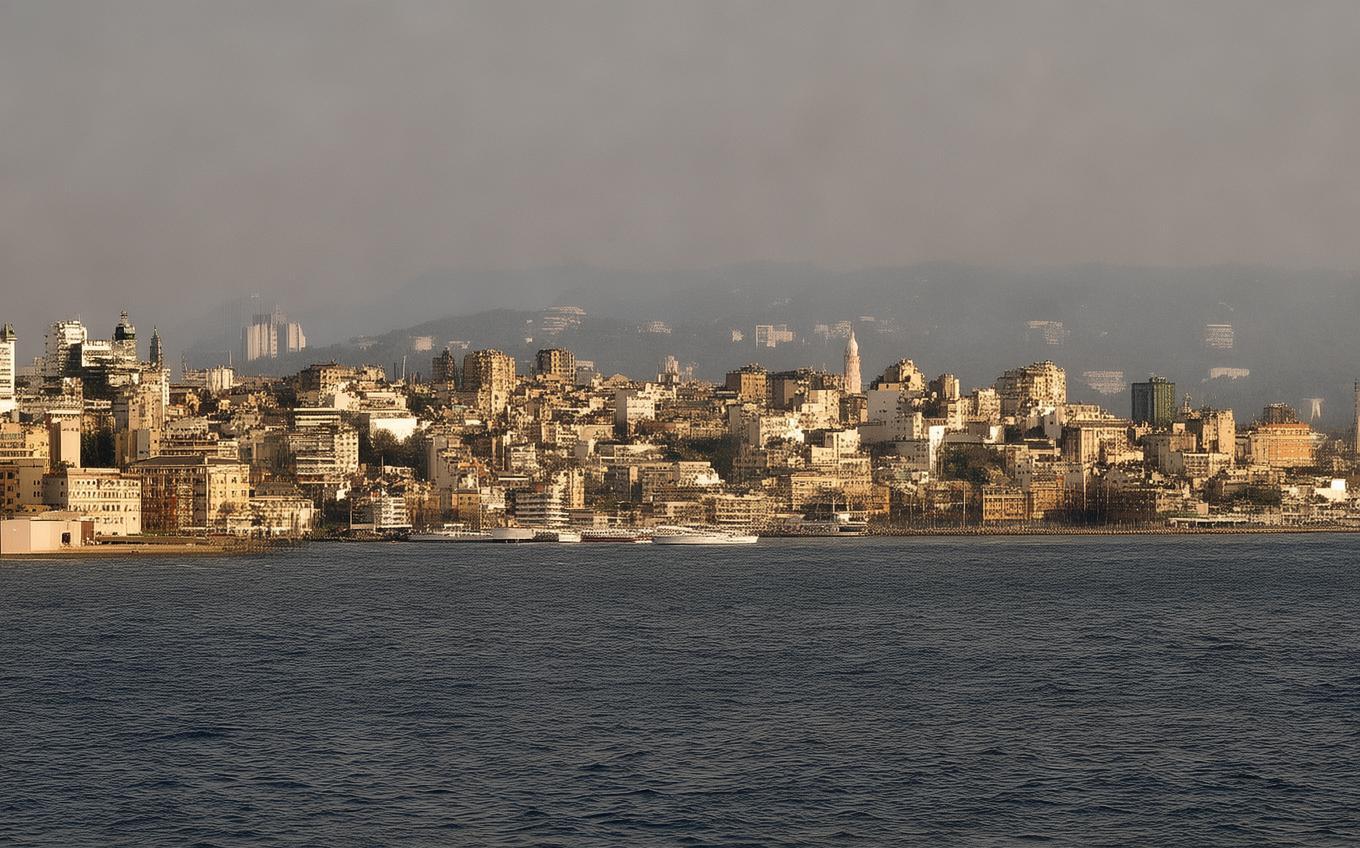
- "落日熔金,暮云合璧" – The sunset is compared to molten gold, and the evening clouds resemble flawless jade. This imagery conveys fleeting beauty.
- "人在何处?" – The poet suddenly questions her own place in the world, suggesting deep loneliness.
Second Stanza: Transient Spring
- "染柳烟浓,吹梅笛怨" – The misty willows and flute’s sorrowful tune evoke the ephemeral nature of spring.
- "春意知几许?" – She wonders how much spring remains, mirroring her own fading vitality.
Third Stanza: Festival and Uncertainty
- "元宵佳节,融和天气" – The Lantern Festival is joyous, yet she fears an impending storm, reflecting life’s unpredictability.
Fourth Stanza: Rejection of Joy
- "来相召…谢他酒朋诗侣" – Despite invitations, she refuses, showing her withdrawal from social life.
Fifth & Sixth Stanzas: Nostalgia for the Past
- She reminisces about her youth in the capital, where women dressed beautifully for festivals. The contrast with her present state is stark.
Final Stanza: Resignation
- "不如向、帘儿底下,听人笑语" – She chooses solitude, listening to others’ joy from a distance—a poignant acceptance of aging and loss.
Themes and Symbolism
1. Transience of Life
- The golden sunset and fleeting spring symbolize the impermanence of beauty and happiness.
2. Nostalgia and Loss
- The poem contrasts past splendor with present sorrow, a common theme in Li Qingzhao’s later works.
3. Isolation
- Her refusal to join festivities and preference for solitude highlight her emotional detachment.
Cultural Context
- Song Dynasty Society: Women of noble families enjoyed cultural pursuits, but war and widowhood shattered Li Qingzhao’s world.
- Lantern Festival: A major celebration where people gathered to admire lanterns—her melancholy stands in sharp contrast.
- Philosophical Influence: The poem reflects Daoist and Confucian ideas of accepting life’s changes with quiet dignity.
Conclusion
"永遇乐·落日熔金" is a masterpiece of emotional depth, blending exquisite imagery with profound sorrow. Li Qingzhao’s ability to capture the fragility of happiness makes her poetry timeless. For modern readers, the poem resonates as a meditation on loss, resilience, and the quiet beauty of enduring life’s storms.
Through her words, we glimpse not just a poet’s heart, but the universal human experience of longing and acceptance.

Comments (0)
No comments yet. Be the first to comment!