# Analysis of "鹧鸪天·送人" - Classical Chinese Poetry

## Introduction
This poem, *Zhè Gū Tiān·Sòng Rén* ("Partridge Sky·Seeing Someone Off"), was written by Xin Qiji (辛弃疾, 1140-1207), a prominent military strategist and poet of the Southern Song Dynasty. Known for his "heroic and unrestrained" style, Xin Qiji frequently expressed his thwarted patriotism through poetry. This particular work blends farewell sentiments with profound reflections on life's journey, exemplifying classical Chinese poetry's depth in expressing human emotions through nature imagery.

## The Poem: Full Text and Translation

> 唱彻《阳关》泪未干
> *Chàng chè "Yáng Guān" lèi wèi gān*
> (My) tears remain undried after singing the "Yang Pass" tune

> 功名馀事且加餐
> *Gōngmíng yú shì qiě jiā cān*
> Fame is but trivial – better to eat heartily

> 浮天水送无穷树
> *Fú tiān shuǐ sòng wúqióng shù*
> Sky-blending waters escort endless trees

> 带雨云埋一半山
> *Dài yǔ yún mái yībàn shān*
> Rain-laden clouds bury half the mountains

> 今古恨,几千般
> *Jīn gǔ hèn, jǐ qiān bān*
> Ancient and modern regrets – thousands exist

> 只应离合是悲欢
> *Zhǐ yīng líhé shì bēihuān*
> Yet only meetings/partings define sorrow/joy

> 江头未是风波恶
> *Jiāng tóu wèi shì fēngbō è*
> River turbulence isn't life's worst storm

> 别有人间行路难
> *Bié yǒu rénjiān xínglù nán*
> The true hardship lies in life's journey itself

## Line-by-Line Analysis

**Lines 1-2**: The reference to *"Yang Pass"* (阳关) invokes a famous farewell tune from the Tang Dynasty, immediately establishing the poem's parting theme. The dismissal of *"fame as trivial"* reflects Confucian-Daoist tension between worldly success and personal contentment.

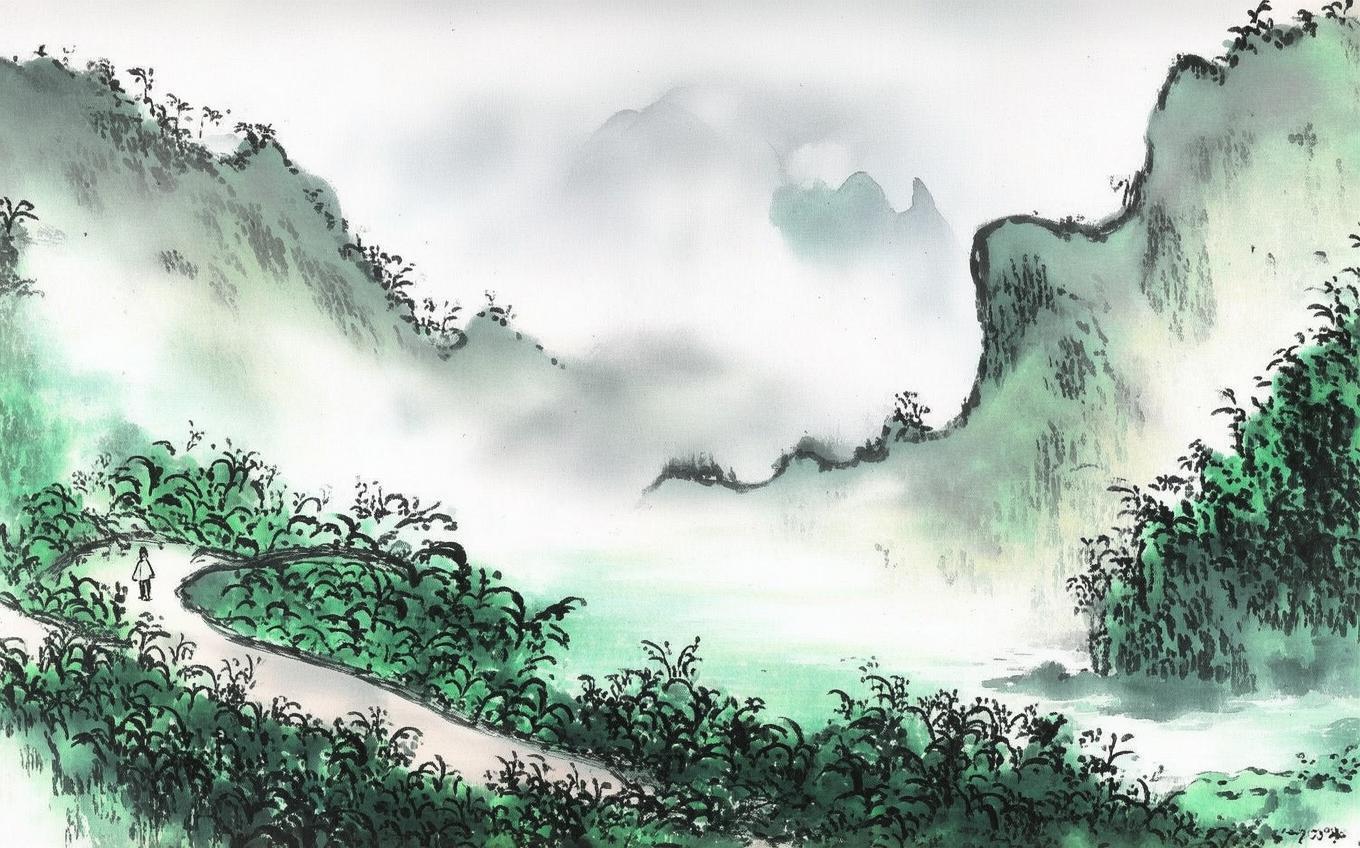
**Lines 3-4**: These parallel nature images create a vast, melancholic landscape. The *"sky-blending waters"* symbolize life's endless flow, while *"clouds burying mountains"* suggest obscured futures – both metaphors for separation's uncertainty.

**Lines 5-6**: The poet elevates personal farewells (*"meetings/partings"*) above historical tragedies, emphasizing interpersonal bonds in Chinese ethics. The rhyming couplet structure (*hèn-bān*, *huān-nán*) creates emotional cadence.

**Lines 7-8**: The concluding paradox reveals Xin Qiji's worldview – natural dangers pale against human struggles. *"行路难"* (journey's difficulty) echoes a classical poetic tradition about life's hardships, notably Li Bai's identically titled poems.

## Themes and Symbolism

**Primary Themes**:
- The transience of human connections
- Nature as both witness and metaphor for emotional states
- Critique of societal values (fame vs. authentic living)

**Key Symbols**:
- *Yang Pass tune*: Cultural shorthand for separation
- *Buried mountains*: Obstacles in relationships/path
- *River storms*: Life's unpredictable challenges

## Cultural Context

Written during the Southern Song's conflict with the Jin Dynasty, Xin Qiji – a military leader turned poet – often encoded political frustration in his works. The poem's surface farewell masks deeper commentary: the *"journey's difficulty"* reflects his thwarted efforts to reclaim northern territories.

This exemplifies *yùnjiè* (蕴藉, implicit meaning), a core aesthetic in Chinese poetry where personal emotions carry broader sociopolitical resonance. The blending of *ci* (lyric poetry) conventions with frontier poem (*biānsài shī*) elements creates unique emotional intensity.

## Conclusion

"鹧鸪天·送人" masterfully transforms a conventional farewell into meditation on life's fundamental struggles. Its enduring appeal lies in Xin Qiji's ability to weave personal emotion, philosophical depth, and political subtext into concise, nature-infused verses. For modern readers, the poem remains profoundly relatable – a 12th-century reminder that humanity's deepest challenges are not external obstacles, but the emotional journeys we undertake together and alone.



Comments (0)
No comments yet. Be the first to comment!