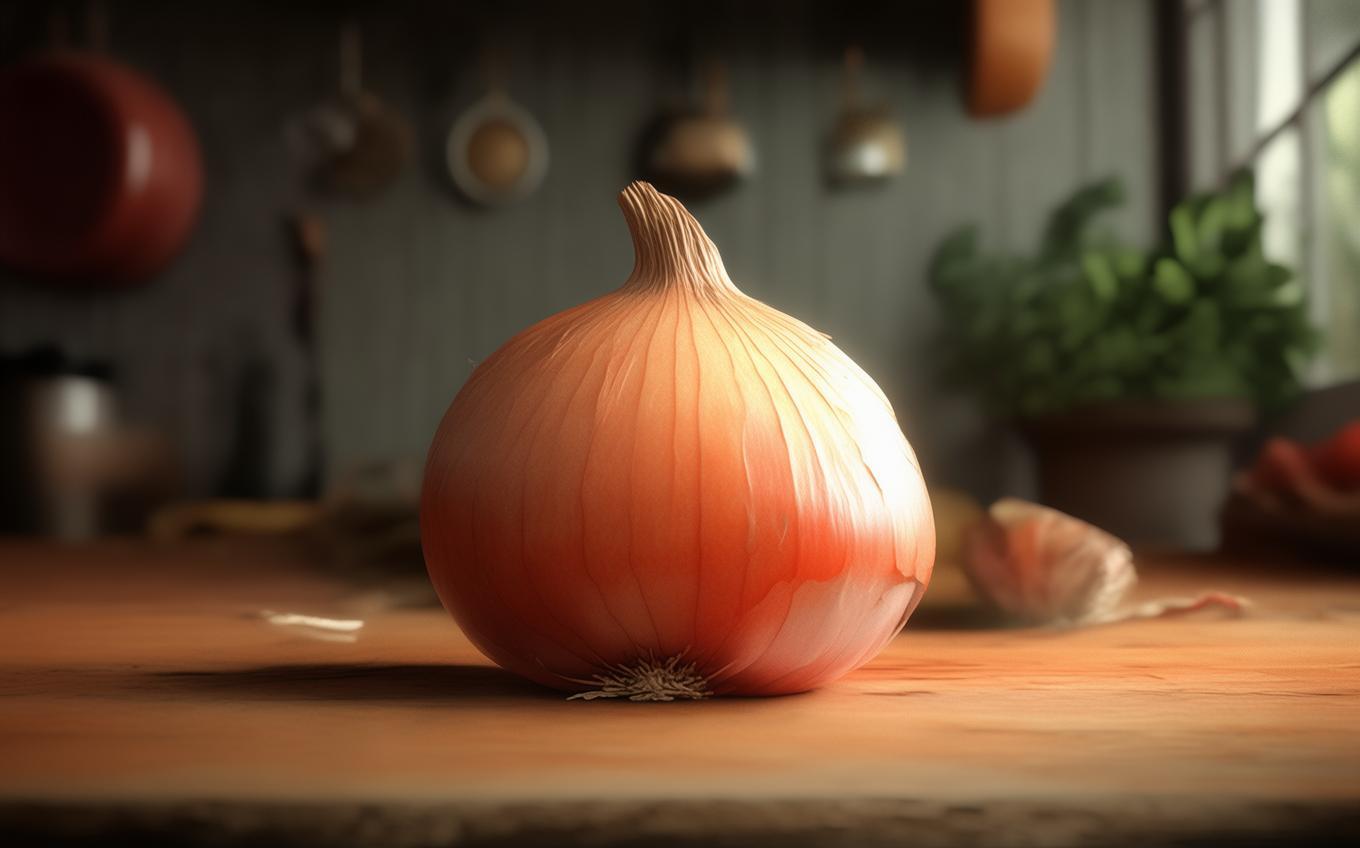
Understanding "洋葱" - Chinese Word Explanation
1. Basic Information
- Word: 洋葱
- Pinyin: yáng cōng
- Literal Meaning: "Foreign onion" (洋 = foreign, 葱 = onion/scallion)
- Primary Meaning: "Onion" (the vegetable)
2. In-depth Explanation
- Context and Usage:
- 洋葱 refers specifically to the bulb onion (Allium cepa), a common vegetable used in cooking worldwide.
- In Chinese cuisine, onions are often stir-fried, pickled, or used raw in salads and sauces.
-
The term is neutral and used in both formal and informal contexts.
-
Character Breakdown:
- 洋 (yáng): Means "foreign" or "oceanic," often used to denote things introduced from abroad (e.g., 洋人 yángrén = foreigner).
- 葱 (cōng): Means "scallion" or "green onion," but in this context, it refers to the onion bulb.
3. Example Sentences
-
Chinese: 这个沙拉需要加一些洋葱。
Pinyin: Zhè ge shālā xūyào jiā yīxiē yángcōng.
English: This salad needs some onions. -
Chinese: 我不喜欢生洋葱的味道。
Pinyin: Wǒ bù xǐhuan shēng yángcōng de wèidào.
English: I don’t like the taste of raw onions. -
Chinese: 妈妈用洋葱炒牛肉。
Pinyin: Māma yòng yángcōng chǎo niúròu.
English: Mom stir-fries beef with onions.
Cultural Notes
- Onions were introduced to China from Central or South Asia and were historically considered a "foreign" ingredient, hence the name 洋葱 ("foreign onion").
- In northern China, onions are commonly used in dumpling fillings and meat dishes, while in southern China, they may appear more in stir-fries and soups.
- Some Chinese people believe onions have health benefits, such as improving circulation or preventing colds.
Conclusion
洋葱 (yáng cōng) means "onion" in Chinese, combining the characters for "foreign" and "scallion." It’s a versatile vegetable used in many dishes. Remember it by its literal meaning: the "foreign scallion" that adds flavor to your meals!




Comments (0)
No comments yet. Be the first to comment!