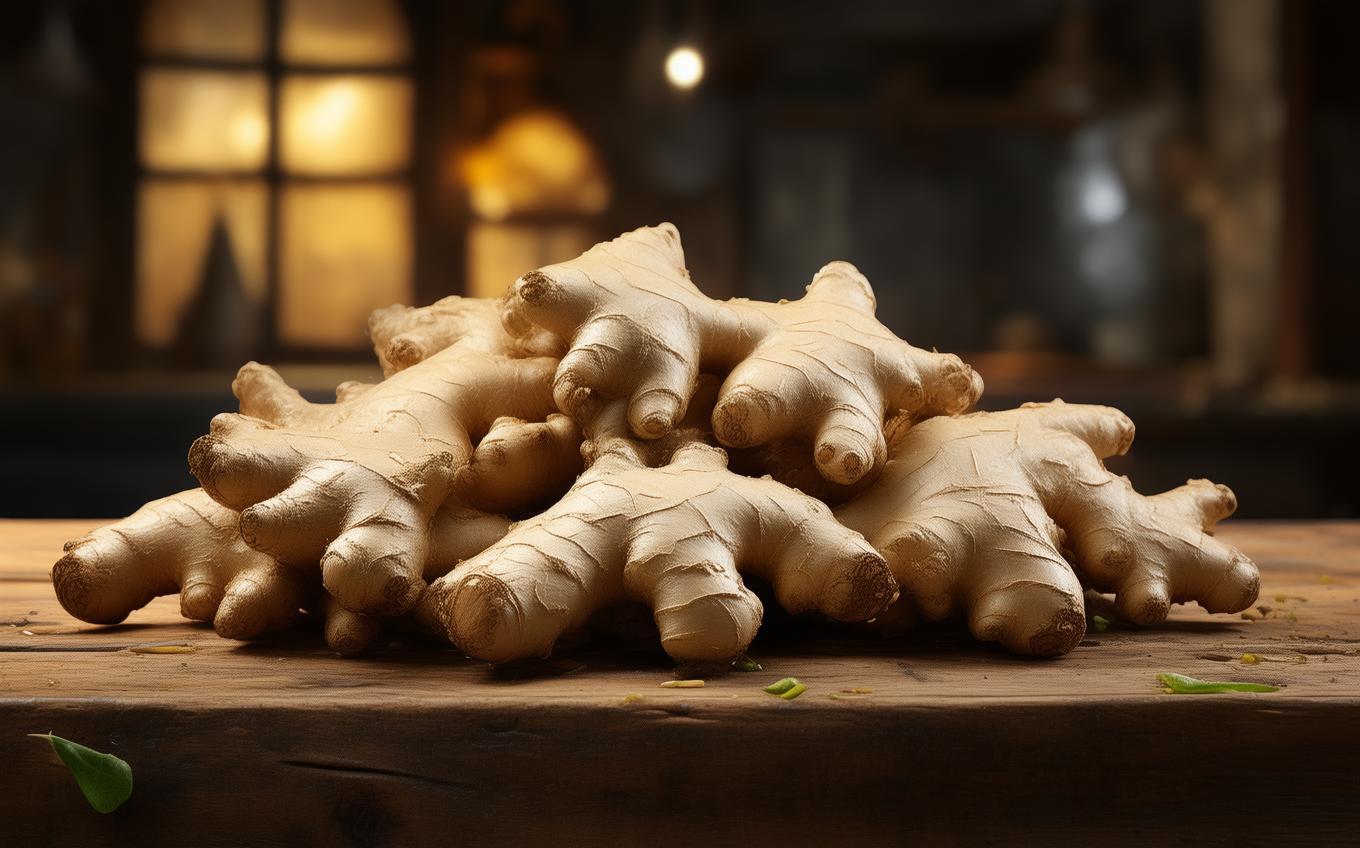
Understanding "生姜" - Chinese Word Explanation
1. Basic Information
- Word: 生姜
- Pinyin: shēngjiāng
- Literal Meaning: "Fresh ginger" (生 = fresh, raw; 姜 = ginger)
- Primary Meaning: Ginger (the rhizome used as a spice or medicine)
2. In-depth Explanation
-
Context and Usage:
"生姜" refers specifically to fresh, raw ginger root, commonly used in Chinese cooking, traditional medicine, and home remedies. It is distinct from dried ginger (干姜, gānjiāng) or powdered ginger. In daily life, it is added to dishes for flavor, used to ward off colds, or brewed in tea to soothe digestion. -
Character Breakdown:
- 生 (shēng): Means "fresh," "raw," or "live."
- 姜 (jiāng): Means "ginger," the plant or its root. Together, they emphasize the unprocessed form of ginger.
3. Example Sentences
-
Chinese: 妈妈在汤里放了一些生姜。
Pinyin: Māma zài tāng lǐ fàngle yīxiē shēngjiāng.
English: Mom put some ginger in the soup. -
Chinese: 感冒时喝生姜茶会舒服一些。
Pinyin: Gǎnmào shí hē shēngjiāng chá huì shūfu yīxiē.
English: Drinking ginger tea can make you feel better when you have a cold. -
Chinese: 生姜可以去腥味。
Pinyin: Shēngjiāng kěyǐ qù xīngwèi.
English: Ginger can remove fishy smells (from food).
Cultural Notes
Ginger (生姜) holds a significant place in Chinese culture, both in cuisine and traditional medicine. It is believed to have "warming" properties (热性, rèxìng) and is often used to balance "cold" conditions in the body. During winter or when someone is sick, ginger tea or ginger-infused dishes are common remedies. It’s also a staple in many regional dishes, such as ginger-scallion sauces or hot pots.
Conclusion
"生姜" (shēngjiāng) is the fresh ginger root widely used in Chinese cooking and health practices. Remember it by its characters: 生 (fresh) + 姜 (ginger). Whether in soups, teas, or stir-fries, this versatile ingredient is a must-know for anyone exploring Chinese language and culture!




Comments (0)
No comments yet. Be the first to comment!