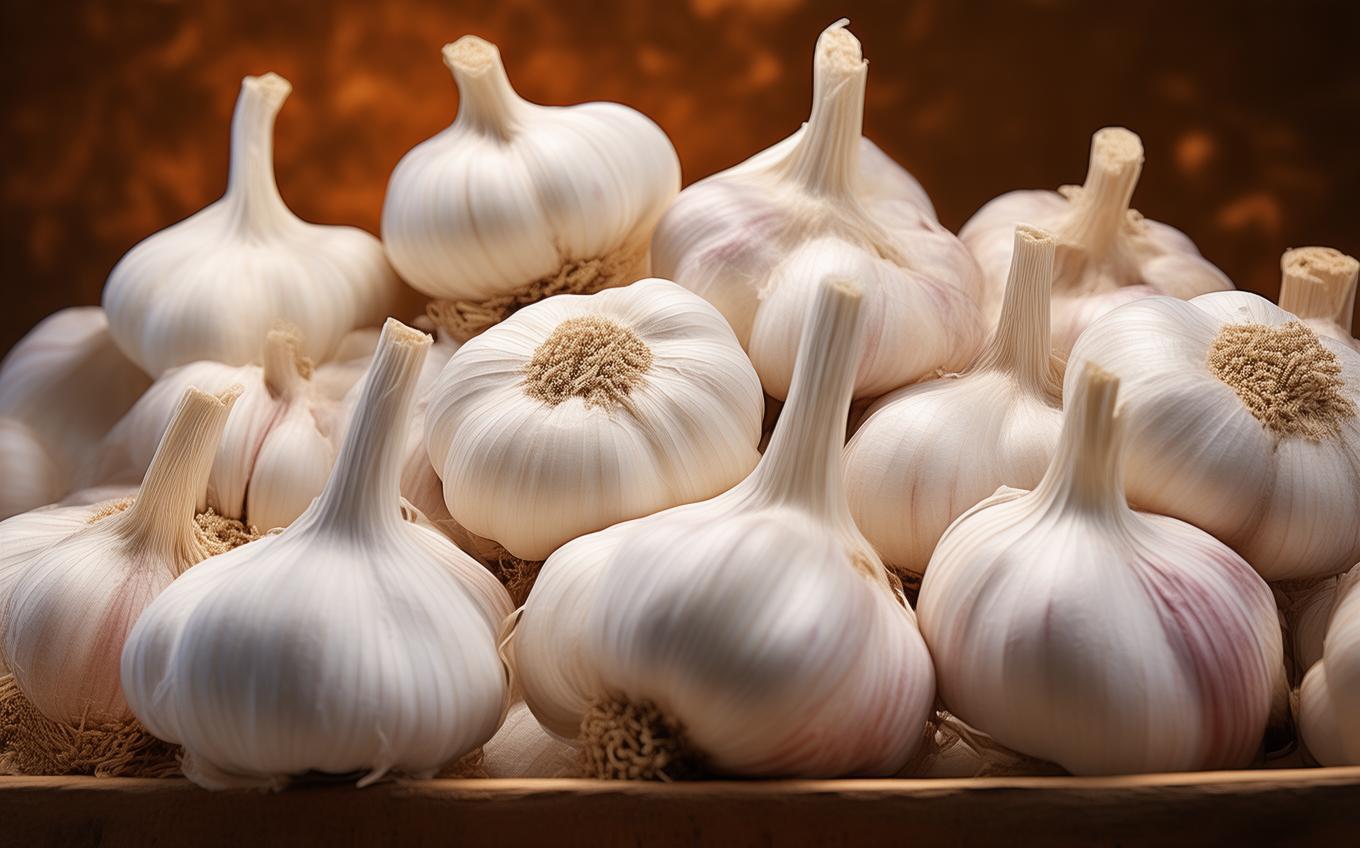
Understanding "大蒜" - Chinese Word Explanation
1. Basic Information
- Word: 大蒜
- Pinyin: dà suàn
- Literal Meaning: "Big garlic" (大 = big, 蒜 = garlic)
- Primary Meaning: Garlic (the bulbous plant used as a seasoning in cooking)
2. In-depth Explanation
Context and Usage
大蒜 (dà suàn) refers to garlic, a common ingredient in Chinese cuisine and traditional medicine. It is used both raw and cooked, often crushed or minced to enhance flavor. In Chinese culture, garlic is also believed to have health benefits, such as boosting immunity and aiding digestion.
Character Breakdown
- 大 (dà): Means "big" or "large."
- 蒜 (suàn): Means "garlic." Together, 大蒜 emphasizes the bulbous form of garlic, distinguishing it from smaller varieties like scallions or chives.
3. Example Sentences
-
Chinese: 我喜欢在炒菜时放大蒜。
Pinyin: Wǒ xǐhuān zài chǎocài shí fàng dàsuàn.
English: I like to add garlic when stir-frying dishes. -
Chinese: 大蒜对健康有很多好处。
Pinyin: Dàsuàn duì jiànkāng yǒu hěnduō hǎochù.
English: Garlic has many health benefits. -
Chinese: 这道菜需要三瓣大蒜。
Pinyin: Zhè dào cài xūyào sān bàn dàsuàn.
English: This dish requires three cloves of garlic.
Cultural Notes
Garlic (大蒜) holds a significant place in Chinese culture, not just as a food ingredient but also in traditional medicine. It is often used to ward off illnesses and is considered a "warming" food in Chinese dietary therapy. During certain festivals, garlic may be used symbolically to repel negative energy.
Conclusion
大蒜 (dà suàn) is the Chinese word for garlic, a versatile and healthy ingredient deeply rooted in Chinese cooking and culture. Remember it as "big garlic" (大 + 蒜), and practice using it in sentences to master its application!




Comments (0)
No comments yet. Be the first to comment!