Understanding "叉子" - Chinese Word Explanation
1. Basic Information
- Word: 叉子
- Pinyin: chā zi
- Literal Meaning: "fork" (a utensil with prongs)
- Primary Meaning: A fork, typically used for eating or serving food.
2. In-depth Explanation
Context and Usage
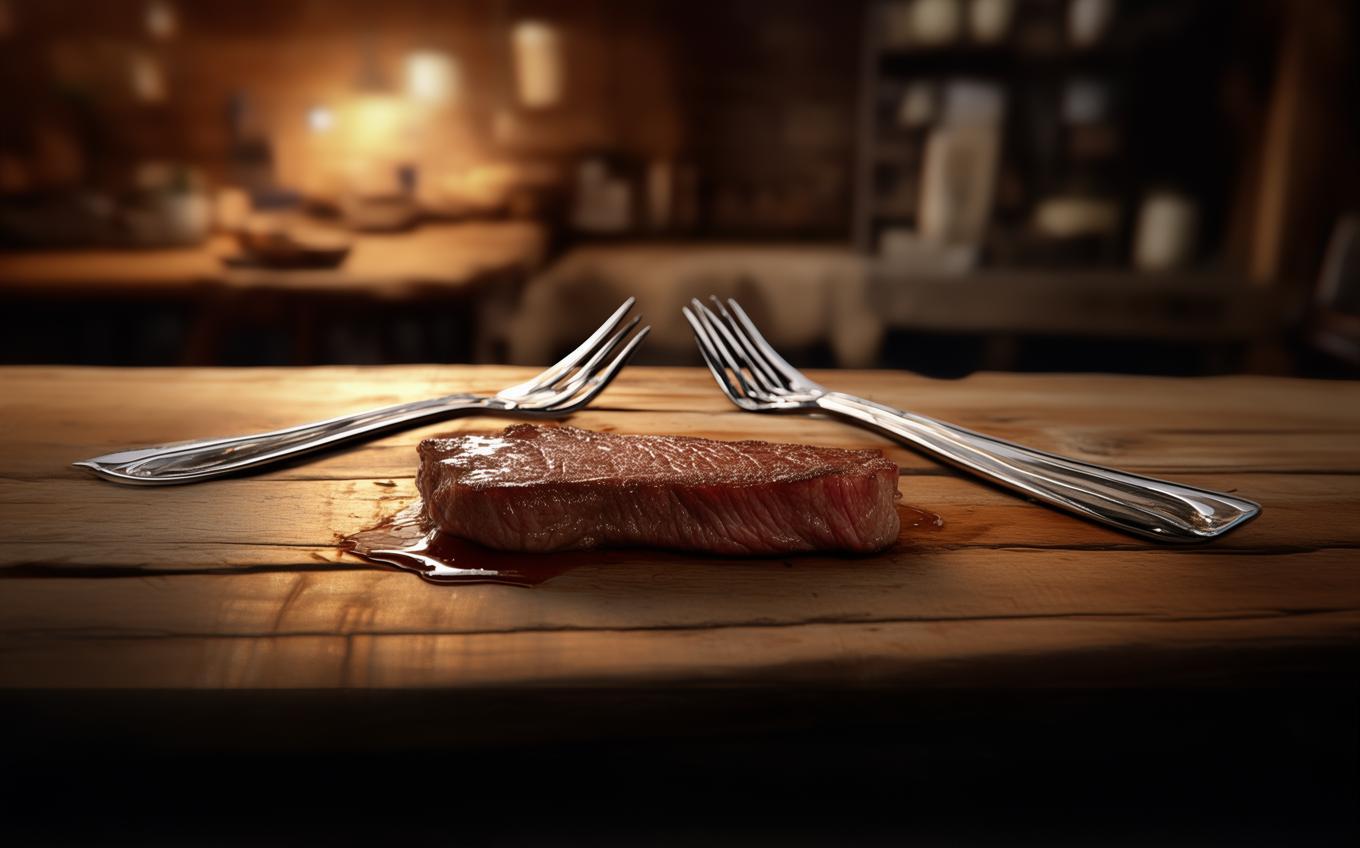
"叉子" refers to a fork, a common utensil in Western dining culture. In Chinese, it is used similarly to how "fork" is used in English, but it’s worth noting that chopsticks (筷子, kuài zi) are the traditional eating utensils in China. Forks are more commonly used for certain dishes, such as salads, pasta, or Western-style meals.
Character Breakdown
- 叉 (chā): Means "fork" or "to cross." The character resembles the shape of a fork with prongs.
- 子 (zi): A neutral suffix often added to nouns, making the word sound more natural in spoken Chinese.
3. Example Sentences
-
Chinese: 请给我一把叉子。
Pinyin: Qǐng gěi wǒ yī bǎ chā zi.
English: Please give me a fork. -
Chinese: 这个叉子太小了,不好用。
Pinyin: Zhè ge chā zi tài xiǎo le, bù hǎo yòng.
English: This fork is too small; it’s not easy to use. -
Chinese: 他用叉子吃面条。
Pinyin: Tā yòng chā zi chī miàn tiáo.
English: He eats noodles with a fork.
Cultural Notes
While chopsticks are the dominant utensil in Chinese cuisine, forks (叉子) are becoming more common, especially in urban areas or when eating Western food. In some Chinese restaurants, you may be offered both chopsticks and forks, depending on the dish. Historically, forks were not widely used in China, but globalization has made them more familiar.
Conclusion
"叉子" (chā zi) is a straightforward word meaning "fork." It’s useful to know when dining in mixed culinary settings or when requesting utensils. Remember that while chopsticks are traditional, forks are perfectly acceptable in many situations. Practice using the example sentences to reinforce your understanding!




Comments (0)
No comments yet. Be the first to comment!