Understanding "拆除" - Chinese Word Explanation
1. Basic Information
- Word: 拆除
- Pinyin: chāi chú
- Literal Meaning: "Dismantle and remove" (拆 = dismantle, 除 = remove)
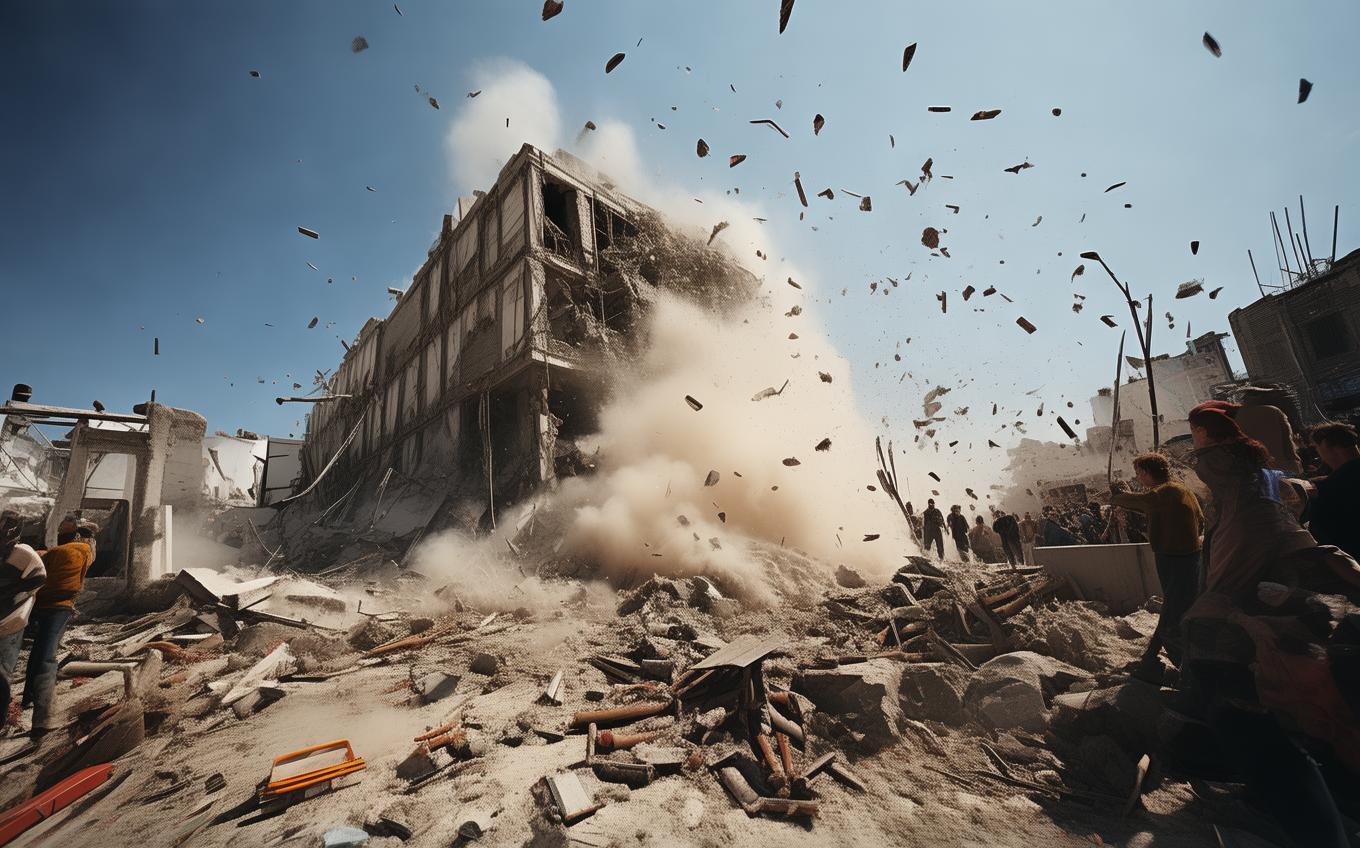
- Primary Meaning: To demolish, tear down, or dismantle a structure or object.
2. In-depth Explanation
Context and Usage
"拆除" is commonly used in contexts involving construction, renovation, or removal of buildings, walls, machinery, or other physical structures. It implies a deliberate and often systematic process of taking something apart. Unlike simpler words like "拆" (to dismantle), "拆除" emphasizes the complete removal or elimination of the object.
Character Breakdown
- 拆 (chāi): To dismantle, take apart, or unbuild.
- 除 (chú): To remove, eliminate, or get rid of.
Together, they form a compound word meaning "to dismantle and remove completely."
3. Example Sentences
-
Chinese: 工人正在拆除旧房子。
Pinyin: Gōngrén zhèngzài chāichú jiù fángzi.
English: The workers are demolishing the old house. -
Chinese: 这座城市决定拆除违建。
Pinyin: Zhè zuò chéngshì juédìng chāichú wéi jiàn.
English: The city has decided to tear down illegal constructions. -
Chinese: 他们拆除了那座桥以便修建新的。
Pinyin: Tāmen chāichúle nà zuò qiáo yǐbiàn xiūjiàn xīn de.
English: They demolished that bridge to build a new one.
Cultural Notes
In China, "拆除" is frequently seen in urban development contexts, where rapid modernization leads to the demolition of older structures to make way for new infrastructure. The term can sometimes carry emotional weight, as it may involve the loss of historical or culturally significant buildings. Government-led "拆除" projects are often part of urban planning initiatives.
Conclusion
"拆除" (chāi chú) is a practical word meaning "to demolish" or "dismantle and remove." It is widely used in construction, urban development, and engineering contexts. Remember it as a two-step process: 拆 (take apart) + 除 (remove). Use it when referring to the deliberate destruction or removal of buildings, structures, or objects.



Comments (0)
No comments yet. Be the first to comment!