Analysis of "玉楼春·春景" - Classical Chinese Poetry
Introduction
"玉楼春·春景" (Yù Lóu Chūn · Chūn Jǐng, "Spring Scene in Jade Pavilion") is a famous ci (lyric poetry) written by Song Qi (宋祁, 998–1061), a prominent poet and scholar of the Northern Song Dynasty. Known for his elegant and refined style, Song Qi was celebrated for his ability to capture fleeting moments of beauty and emotion.
This poem is a quintessential example of ci poetry, a form that flourished during the Song Dynasty. It blends vivid natural imagery with subtle emotional depth, embodying the classical Chinese appreciation for harmony between humanity and nature.
The Poem: Full Text and Translation
东城渐觉风光好
Dōng chéng jiàn jué fēng guāng hǎo
The eastern city gradually reveals its splendid scenery,縠皱波纹迎客棹
Hú zhòu bō wén yíng kè zhào
Rippling waves, like crinkled silk, greet the visitor's boat.绿杨烟外晓寒轻
Lǜ yáng yān wài xiǎo hán qīng
Beyond the mist-veiled willows, the dawn chill is light,红杏枝头春意闹
Hóng xìng zhī tóu chūn yì nào
On red apricot branches, spring’s vitality clamors.浮生长恨欢娱少
Fú shēng cháng hèn huān yú shǎo
In this fleeting life, we often lament too little joy,肯爱千金轻一笑
Kěn ài qiān jīn qīng yī xiào
Yet who would spare a fortune for a single smile?为君持酒劝斜阳
Wèi jūn chí jiǔ quàn xié yáng
For you, I raise my cup to urge the setting sun:且向花间留晚照
Qiě xiàng huā jiān liú wǎn zhào
"Linger awhile among the flowers with your evening glow."
Line-by-Line Analysis
-
"The eastern city gradually reveals its splendid scenery"
- The poem opens with a gentle unfolding of spring’s beauty, setting a leisurely and appreciative tone. -
"Rippling waves, like crinkled silk, greet the visitor's boat"
- The comparison of water ripples to silk (hú zhòu) evokes elegance and refinement, a hallmark of Song Dynasty aesthetics. -
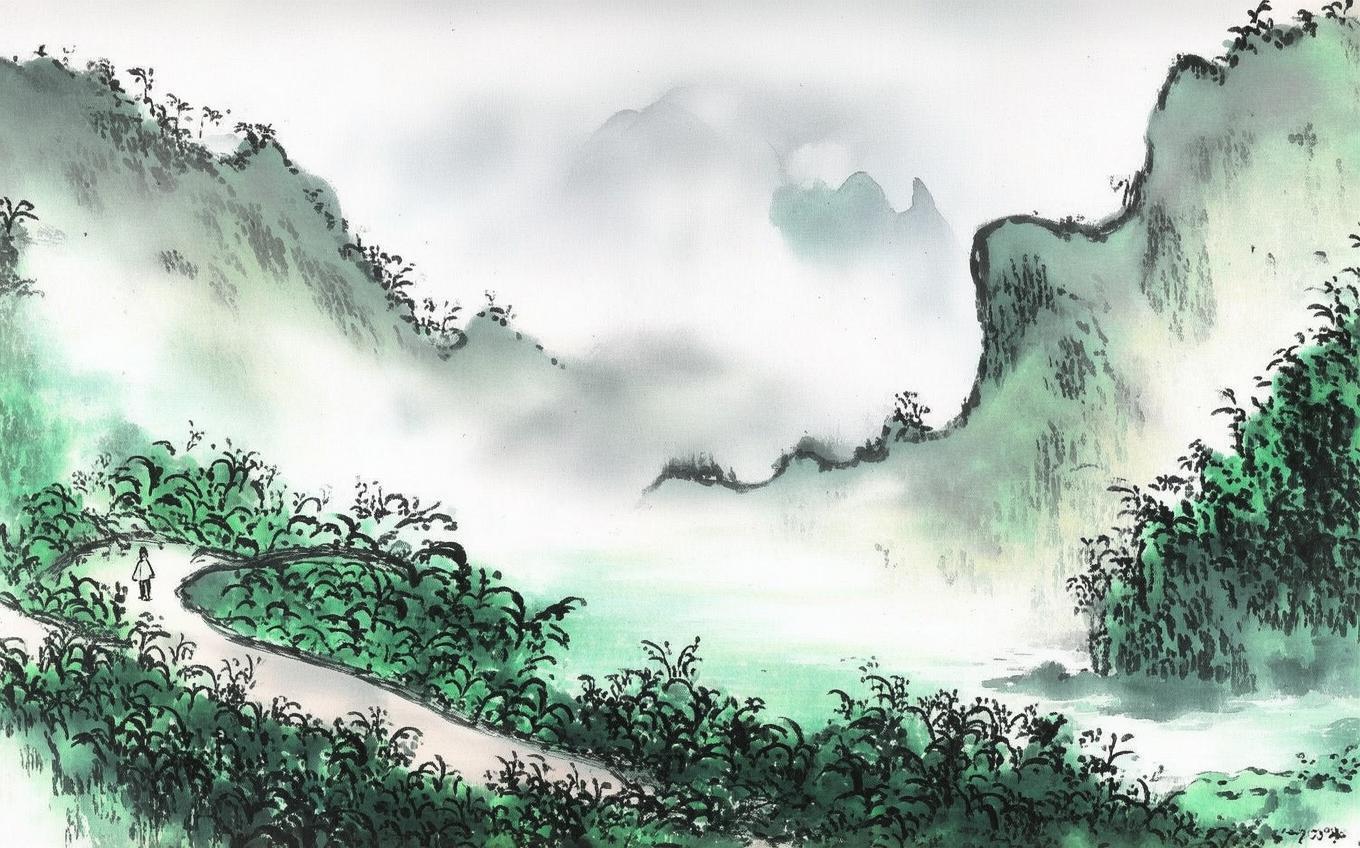
"Beyond the mist-veiled willows, the dawn chill is light"
- The "mist-veiled willows" create a dreamy, painterly scene, while the "light dawn chill" suggests the delicate transition from winter to spring. -
"On red apricot branches, spring’s vitality clamors"
- The word nào (闹, "clamor") is particularly famous—it personifies spring as lively and bustling, almost audible in its exuberance. -
"In this fleeting life, we often lament too little joy"
- A shift from nature to human reflection, acknowledging life’s transience (fú shēng, "floating life"). -
"Yet who would spare a fortune for a single smile?"
- A rhetorical question emphasizing that true happiness is priceless. -
"For you, I raise my cup to urge the setting sun"
- The speaker tries to prolong the moment, addressing the sun as if it were a companion. -
"Linger awhile among the flowers with your evening glow"
- A plea to savor beauty while it lasts, blending melancholy with appreciation.
Themes and Symbolism
-
Transience of Life (Fú Shēng)
The poem reflects the classical Chinese philosophical view that life is fleeting, urging the reader to cherish joy. -
Harmony with Nature
The vivid imagery of willows, apricot blossoms, and rippling water exemplifies the ideal of unity between humans and the natural world. -
The Value of Joy
The contrast between "a fortune" and "a single smile" critiques materialism, suggesting that true happiness lies in simple, ephemeral moments.
Cultural Context
-
Song Dynasty Aesthetics
The poem embodies the refined, understated elegance prized by Song Dynasty literati, who often wrote ci poetry to express personal emotions through natural imagery. -
Philosophical Influences
The theme of fú shēng resonates with Daoist and Buddhist ideas about impermanence, while the celebration of nature aligns with Confucian ideals of harmony. -
Literary Legacy
The phrase chūn yì nào ("spring’s vitality clamors") became so iconic that Song Qi was nicknamed Hóng Xìng Shàng Shū ("Apricot Blossom Minister").
Conclusion
"玉楼春·春景" is a masterpiece of ci poetry, blending exquisite natural imagery with profound philosophical reflection. Its depiction of spring’s vibrancy and the bittersweet awareness of life’s brevity continues to resonate with readers today.
In a world that often prioritizes material wealth, Song Qi’s reminder—to cherish fleeting beauty and simple joys—remains timeless. The poem invites us to pause, raise a cup to the setting sun, and savor the "evening glow" while it lasts.

Comments (0)
No comments yet. Be the first to comment!