Analysis of "蝶恋花·槛菊愁烟兰泣露" - Classical Chinese Poetry
Introduction
"蝶恋花·槛菊愁烟兰泣露" (Dié Liàn Huā·Kǎn Jú Chóu Yān Lán Qì Lù) is a renowned cí (lyric poetry) by Yan Shu (晏殊, 991–1055), a prominent statesman and poet of the Northern Song Dynasty. Known for his elegant and melancholic style, Yan Shu’s works often explore themes of fleeting beauty, love, and the passage of time. This poem, written in the Dié Liàn Huā tune, is a masterpiece of classical Chinese poetry, blending delicate natural imagery with profound emotional depth.
The Poem: Full Text and Translation
槛菊愁烟兰泣露
Kǎn jú chóu yān lán qì lù
Chrysanthemums by the rail, veiled in sorrowful mist; orchids weep dew.罗幕轻寒
Luó mù qīng hán
Silken curtains whisper of autumn’s chill.燕子双飞去
Yànzi shuāng fēi qù
A pair of swallows flies away together.明月不谙离恨苦
Míngyuè bù ān lí hèn kǔ
The bright moon understands not the pain of parting.斜光到晓穿朱户
Xié guāng dào xiǎo chuān zhū hù
Its slanting light pierces crimson doors till dawn.昨夜西风凋碧树
Zuóyè xīfēng diāo bì shù
Last night, the west wind withered emerald trees.独上高楼
Dú shàng gāo lóu
Alone, I climb the high tower.望尽天涯路
Wàng jìn tiānyá lù
Gazing to the ends of the world.欲寄彩笺兼尺素
Yù jì cǎi jiān jiān chǐ sù
I long to send a letter of rainbow silk and plain white silk.山长水阔知何处
Shān cháng shuǐ kuò zhī hé chù
But mountains stretch long, waters stretch wide—where is my love?
Line-by-Line Analysis
-
Chrysanthemums and Orchids: The opening line personifies flowers—chrysanthemums shrouded in "sorrowful mist" and orchids "weeping" dew—symbolizing the poet’s grief. These flowers, emblematic of autumn, hint at transience.
-
Silken Curtains and Swallows: The "light cold" of autumn permeates the silk curtains, while swallows (traditionally symbols of reunion) depart, emphasizing loneliness.
-
The Unfeeling Moon: The moon, a classic poetic motif, is accused of indifference to human suffering. Its relentless light contrasts with the speaker’s sleepless anguish.
-
The West Wind’s Destruction: The sudden shift to "last night" introduces violence—the wind stripping trees bare, mirroring the speaker’s desolation.
-
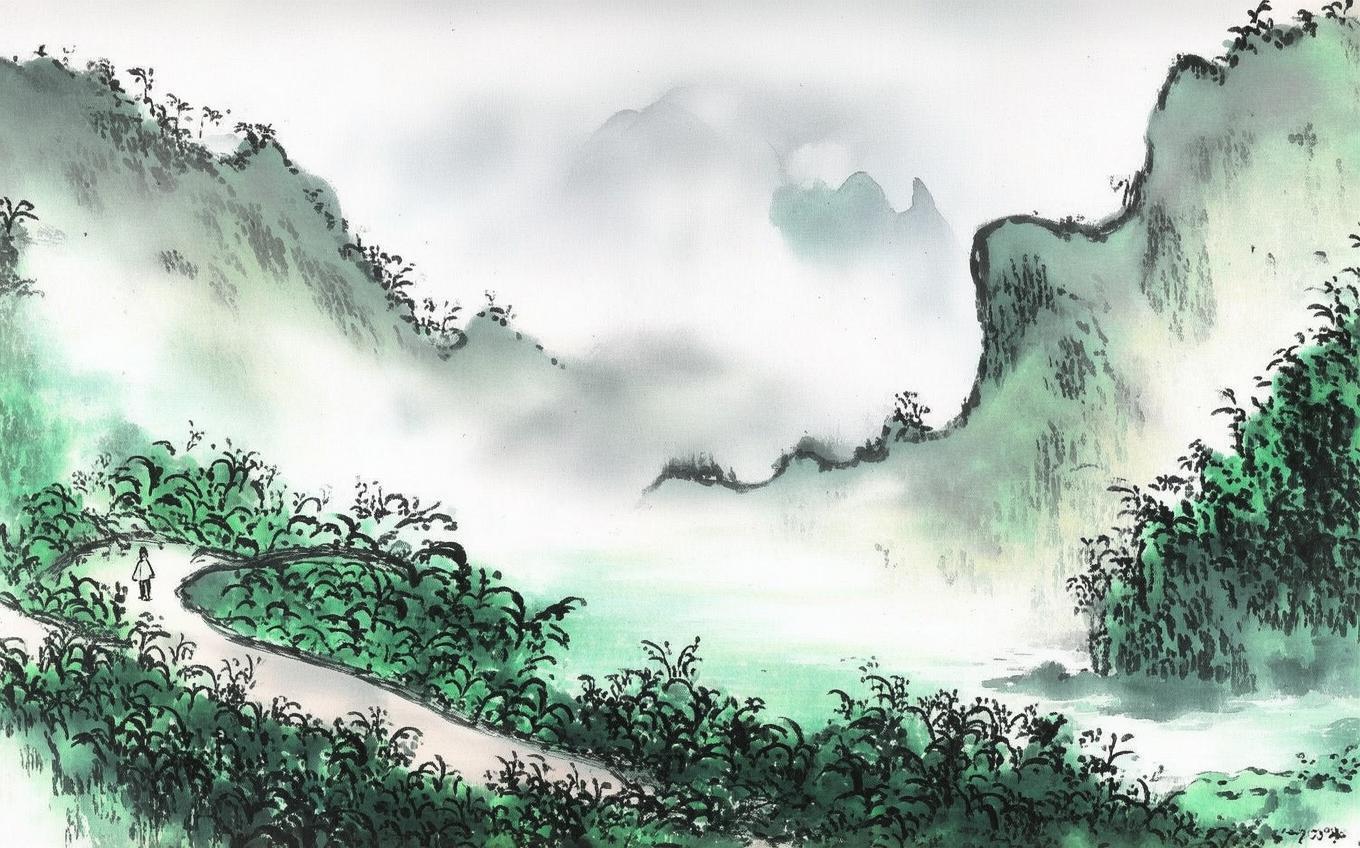
The Tower and the Horizon: Climbing the tower alone, the speaker searches the distant horizon, a metaphor for yearning and existential longing.
-
The Unsendable Letter: The desire to send a letter (written on "rainbow silk" and "plain silk") is thwarted by the vast, impassable landscape, underscoring hopeless love.
Themes and Symbolism
- Nature’s Indifference: Flowers, wind, and the moon reflect the speaker’s sorrow but remain detached, highlighting humanity’s solitude.
- Love and Separation: The poem captures the agony of distance, a common theme in cí poetry, where physical barriers symbolize emotional ones.
- Time’s Passage: Autumn’s arrival and the dying trees evoke impermanence, a core concern in Chinese philosophy.
Cultural Context
Yan Shu wrote during the Song Dynasty’s cultural zenith, when cí poetry flourished. His works often blend Confucian restraint with Daoist sensitivity to nature. This poem exemplifies the wǎnyuē (婉约, "graceful and restrained") style, using subtle imagery to convey deep emotion. The "unsendable letter" trope resonates with classical Chinese literature’s preoccupation with unfulfilled communication, seen in works like The Book of Songs (《诗经》).
Conclusion
"蝶恋花·槛菊愁烟兰泣露" is a poignant meditation on love, loss, and the inexorable march of time. Through exquisite natural imagery and restrained emotion, Yan Shu transforms personal grief into universal art. For modern readers, the poem offers a window into the Song Dynasty’s refined melancholy—and a timeless reminder of love’s fragility. As the speaker gazes toward an unreachable horizon, we too confront our own "mountains long, waters wide."

Comments (0)
No comments yet. Be the first to comment!