Analysis of "浣溪沙·游蕲水清泉寺" - Classical Chinese Poetry
Introduction
The poem "Huan Xi Sha · You Qi Shui Qing Quan Si" (浣溪沙·游蕲水清泉寺) was written by Su Shi (苏轼), one of the greatest poets of the Song Dynasty (960–1279). Also known as Su Dongpo, he was a master of ci poetry (lyrical verses set to music) and is celebrated for his philosophical depth, vivid imagery, and emotional resonance.
This particular poem was composed during Su Shi's exile to Huangzhou, a period of political hardship that paradoxically inspired some of his most profound works. The poem reflects his optimism in adversity, blending natural beauty with philosophical insight.
The Poem: Full Text and Translation
Full Text and Translation
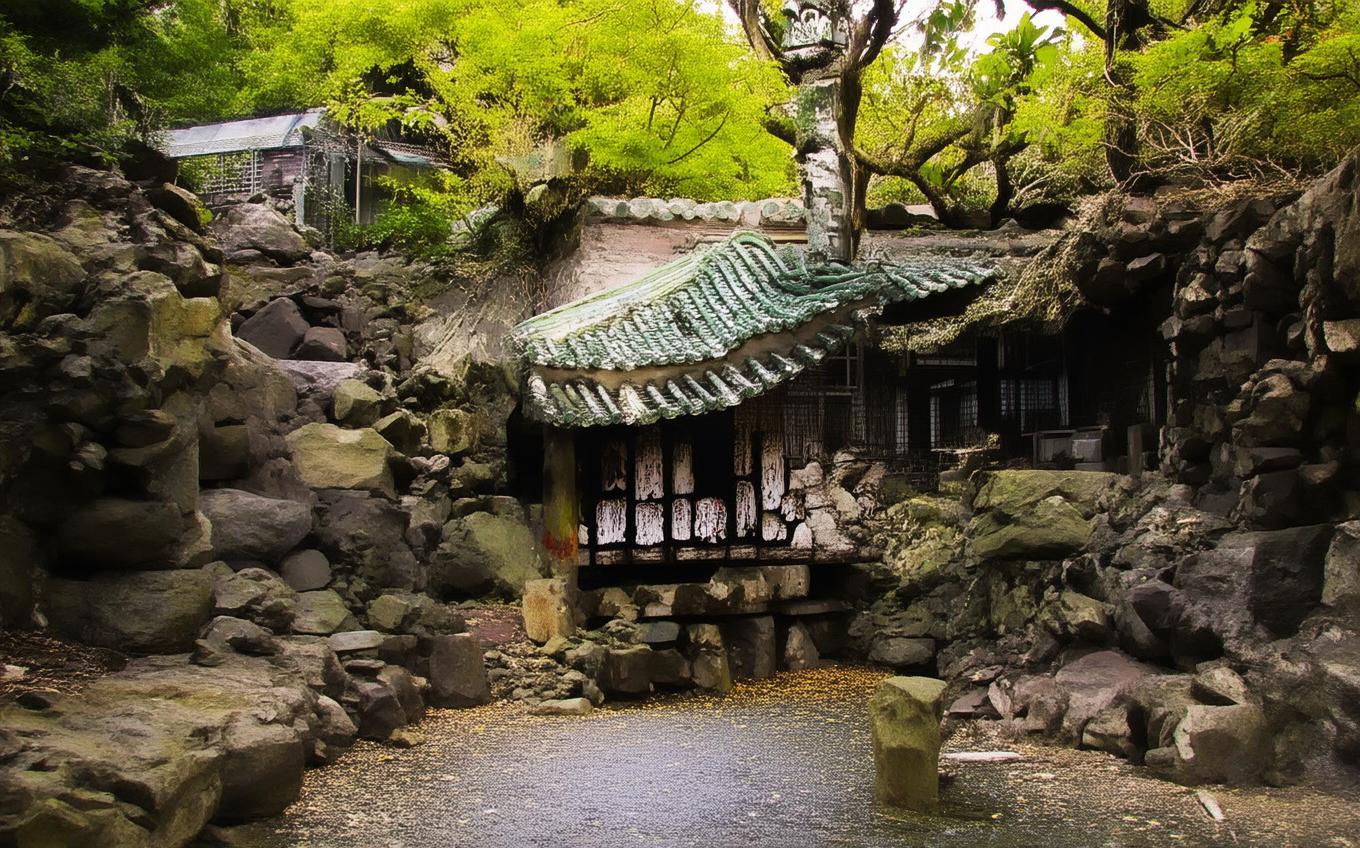
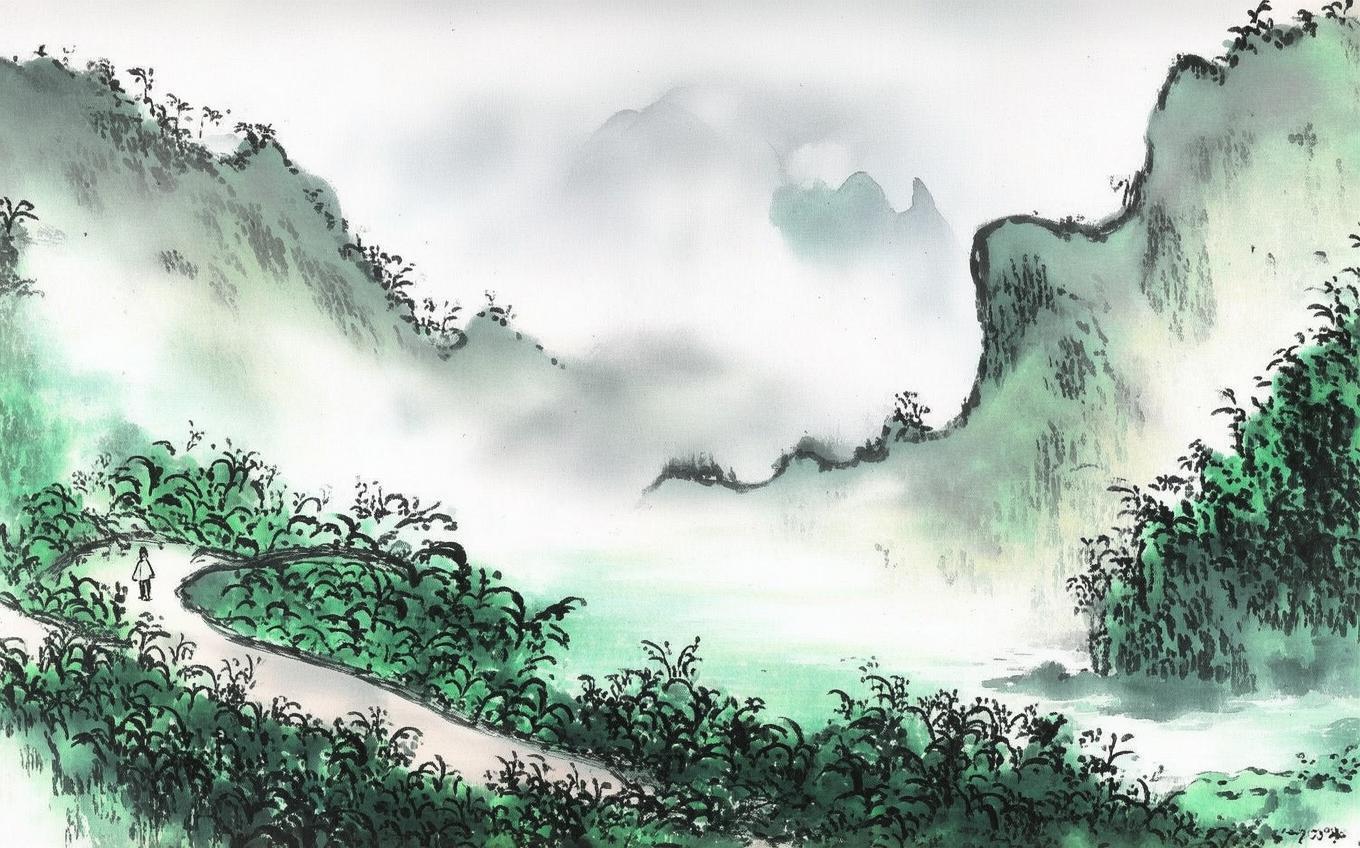
山下兰芽短浸溪
Shān xià lán yá duǎn jìn xī
At the mountain’s foot, orchid sprouts soak briefly in the stream.松间沙路净无泥
Sōng jiān shā lù jìng wú ní
Between pines, the sandy path is clean, free of mud.萧萧暮雨子规啼
Xiāo xiāo mù yǔ zǐ guī tí
In the evening rain’s soft patter, a cuckoo cries.谁道人生无再少?
Shuí dào rén shēng wú zài shào?
Who says life’s prime cannot return?门前流水尚能西!
Mén qián liú shuǐ shàng néng xī!
See—the stream before my gate flows west!休将白发唱黄鸡
Xiū jiāng bái fà chàng huáng jī
Do not lament white hair by singing of the yellow rooster.
Line-by-Line Analysis
-
"At the mountain’s foot, orchid sprouts soak briefly in the stream."
- Imagery: Fresh orchid sprouts symbolize renewal and resilience.
- Metaphor: The "short soak" suggests fleeting beauty, yet also vitality. -
"Between pines, the sandy path is clean, free of mud."
- Contrast: The pristine path contrasts with Su Shi’s own muddy (troubled) political life.
- Symbolism: Pines represent endurance in Chinese culture. -
"In the evening rain’s soft patter, a cuckoo cries."
- Mood: The cuckoo’s call (often associated with melancholy) adds depth to the scene. -
"Who says life’s prime cannot return?"
- Philosophical Question: Challenges the conventional view of aging. -
"See—the stream before my gate flows west!"
- Defying Nature: Most Chinese rivers flow east; this westward stream symbolizes defiance of fate. -
"Do not lament white hair by singing of the yellow rooster."
- Allusion: Refers to a Tang Dynasty poem lamenting aging. Su Shi rejects this pessimism.
Themes and Symbolism
Key Themes
- Resilience: Nature’s cycles mirror human potential for renewal.
- Optimism: Rejects despair, embracing life’s unexpected turns.
- Time’s Fluidity: Challenges rigid views of youth and aging.
Symbolism
- Orchid Sprouts: Delicate yet tenacious, like the poet’s spirit.
- Westward Stream: Defies expectations, just as humans can defy limitations.
- Cuckoo’s Cry: A reminder of sorrow, yet balanced by hope.
Cultural Context
Historical Background
Su Shi wrote this during his exile (1080–1084), when he was demoted for political dissent. Despite hardship, he found solace in nature and Daoist philosophy, which emphasizes harmony with the natural world.
Chinese Philosophy in the Poem
- Daoism: The westward stream reflects wu wei (effortless action)—going against the norm naturally.
- Confucianism: The poem subtly critiques rigid societal views on aging.
Conclusion
Su Shi’s "Huan Xi Sha · You Qi Shui Qing Quan Si" is a masterpiece of lyrical optimism. Through vivid nature imagery and bold philosophical questioning, the poet transforms personal adversity into a universal meditation on resilience.
Relevance Today: In a world obsessed with youth, Su Shi’s message—that vitality comes from perspective, not just age—remains profoundly inspiring. The poem invites us to see life’s currents not as fixed, but as full of surprising possibilities.
"Who says life’s prime cannot return? See—the stream before my gate flows west!"

Comments (0)
No comments yet. Be the first to comment!