
Analysis of "凉州词二首" - Classical Chinese Poetry
Introduction
The Liangzhou Ci (凉州词) poems are a pair of famous Tang Dynasty frontier poems attributed to the renowned poet Wang Zhihuan (王之涣, 688–742). These works belong to the bianse (边塞诗) genre—frontier poetry that often depicts life in China's northwestern border regions during the Tang Dynasty (618–907 AD).
Wang Zhihuan was celebrated for his concise yet profound style, and these poems in particular showcase the melancholy beauty and harsh realities of frontier life. They remain among the most quoted classical Chinese poems today, exemplifying how Tang poets transformed military experiences into timeless art.
The Poem: Full Text and Translation
Poem 1
黄河远上白云间
Huáng hé yuǎn shàng bái yún jiān
The Yellow River ascends far into white clouds一片孤城万仞山
Yī piàn gū chéng wàn rèn shān
A solitary fortress amid ten-thousand-foot mountains羌笛何须怨杨柳
Qiāng dí hé xū yuàn yáng liǔ
Why should the Qiang flute lament the willow trees?春风不度玉门关
Chūn fēng bù dù Yùmén guān
The spring breeze never crosses the Jade Gate Pass
Poem 2
单于北望拂云堆
Chányú běi wàng fú yún duī
The chieftain gazes north at Fuyun Mound杀马登坛祭几回
Shā mǎ dēng tán jì jǐ huí
How often he's sacrificed horses on the altar汉家天子今神武
Hàn jiā tiānzǐ jīn shén wǔ
Now the Han emperor shows divine might不肯和亲归去来
Bù kěn héqīn guī qù lái
Refusing peace marriages—come then go back
Line-by-Line Analysis
Poem 1
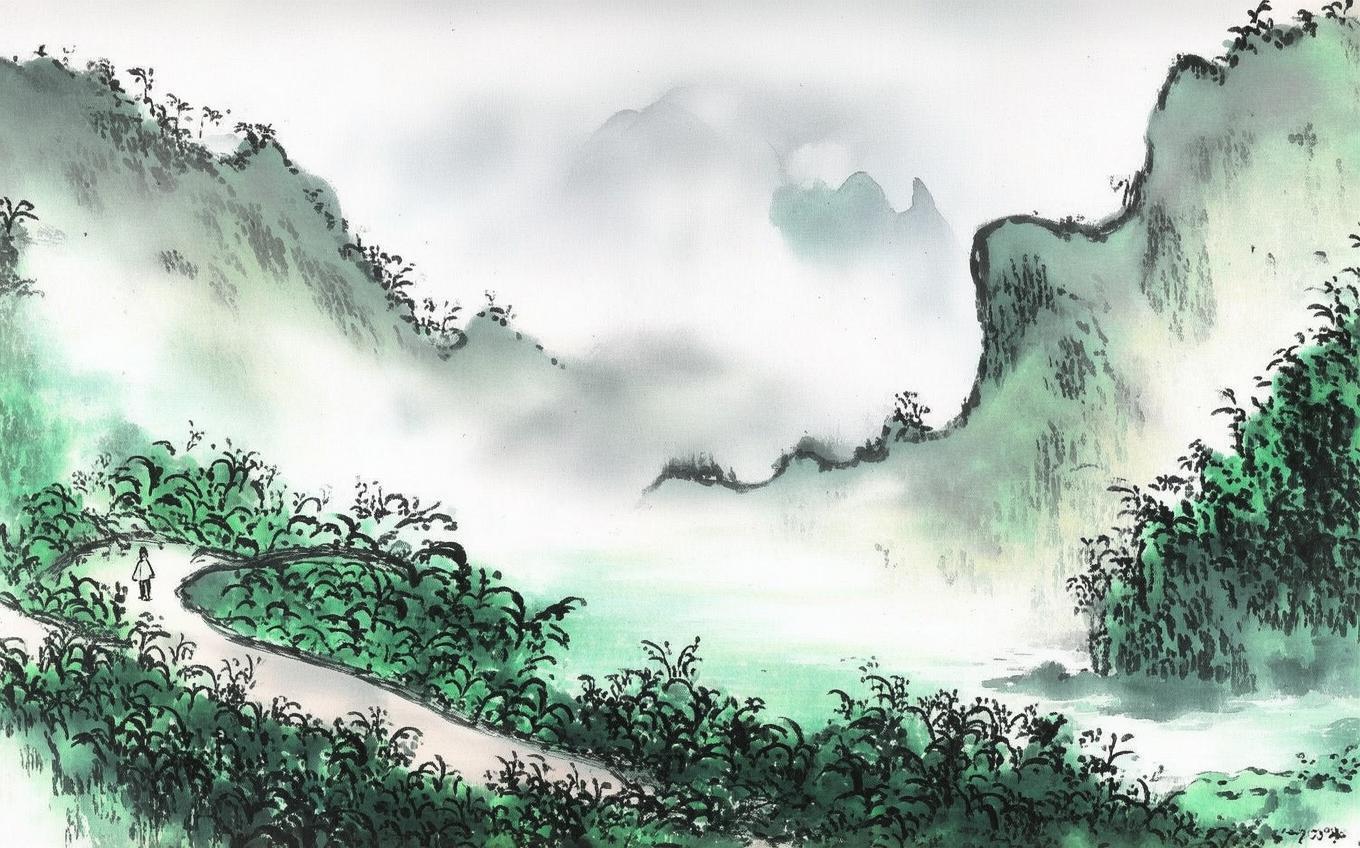
- Yellow River imagery: The opening presents a grand yet desolate landscape where earth meets sky, symbolizing the frontier's remoteness.
- Solitary fortress: The "lonely city" surrounded by towering mountains emphasizes isolation and military hardship.
- Qiang flute: A traditional instrument of northwestern tribes, its mournful tune references a farewell song (Yangliu or "Willow") played when soldiers depart.
- Jade Gate Pass: A famous frontier checkpoint where, metaphorically, even spring (representing warmth/comfort) cannot reach—highlighting the soldiers' perpetual hardship.
Poem 2
- Chanyu: Title for Xiongnu (Hun) leaders, showing the nomadic threat. Fuyun Mound was a strategic location.
- Horse sacrifice: Depicts intense warfare rituals, emphasizing the frequency of battles.
3-4. Han emperor: Refers to Tang rulers rejecting the heqin policy (peace marriages with nomads), symbolizing military confidence but also endless conflict.
Themes and Symbolism
- Frontier hardship: Both poems contrast majestic landscapes with human suffering, using nature's scale to dwarf human struggles.
- Cultural collision: The Qiang flute versus Han soldiers reflects ethnic tensions at the border.
- Seasonal symbolism: The absent "spring breeze" becomes a powerful metaphor for denied comfort or imperial neglect.
- Military pride vs. cost: Poem 2's triumphant tone about rejecting peace marriages subtly questions the human price of victory.
Cultural Context
Written during the Tang Dynasty's peak (8th century), these poems reflect:
- Expansionist policies: The Tang Empire frequently clashed with Tibetans and Turks in the Liangzhou region (modern Gansu).
- Frontier life: Soldiers stationed at remote outposts faced extreme isolation, a common theme in bianse poetry.
- Musical traditions: The Yangliu melody referenced in Poem 1 was part of actual military culture—played when seeing troops off, linking the poems to performative contexts.
Wang Zhihuan's works exemplify how Tang poets aestheticized war's brutality, blending Confucian loyalty with Daoist awe of nature. The enduring popularity of these lines, especially "spring breeze never crosses the Jade Gate," shows how they crystallized universal feelings of exile and longing.
Conclusion
The Liangzhou Ci poems masterfully balance grandeur and grief, making them timeless meditations on sacrifice. While rooted in Tang frontier wars, their themes—human resilience against indifferent nature, the cost of empire—remain strikingly relevant. For modern readers, they offer a gateway into classical China's worldview, where every landscape held layered meanings and every breeze could carry a soldier's sigh.

Comments (0)
No comments yet. Be the first to comment!