Analysis of "终南望余雪" - Classical Chinese Poetry
Introduction
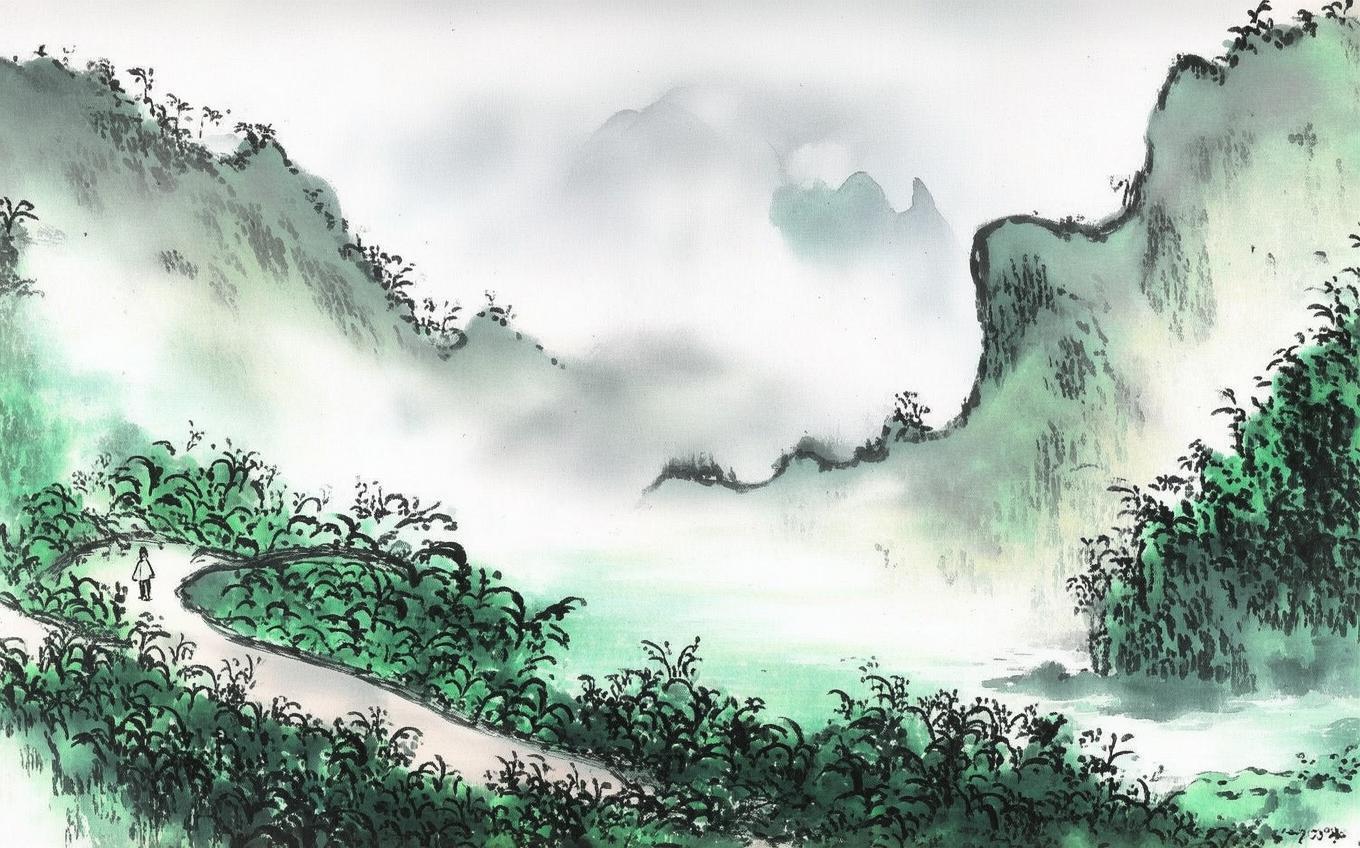
"终南望余雪" (Zhōngnán Wàng Yú Xuě, "Viewing the Remaining Snow on Zhongnan Mountain") is a famous quatrain by the Tang Dynasty poet Zu Yong (祖咏). Written during China's golden age of poetry, this short yet vivid piece captures the quiet beauty of winter landscapes while reflecting the philosophical depth of classical Chinese poetry.
Zu Yong was known for his concise yet evocative style, and this poem exemplifies his ability to convey profound meaning through minimal words. The poem describes the lingering snow on Zhongnan Mountain, a sacred site associated with Daoist recluses, blending natural observation with meditative stillness.
The Poem: Full Text and Translation
Original Text and Translation
终南阴岭秀
Zhōngnán yīn lǐng xiù
The northern slopes of Zhongnan Mountain are sublime,积雪浮云端
Jīxuě fú yún duān
Its piled snow floats above the clouds.林表明霁色
Lín biǎo míng jì sè
The forest’s edge gleams with sunset’s afterglow,城中增暮寒
Chéng zhōng zēng mù hán
While the city below grows colder at dusk.
Line-by-Line Analysis
-
终南阴岭秀 (The northern slopes of Zhongnan Mountain are sublime)
- Imagery: The poem opens with a grand view of Zhongnan Mountain, a real and symbolic location in Chinese culture. The "northern slopes" (阴岭 yīn lǐng) suggest a shaded, colder side where snow lingers.
- Emotion: The word "sublime" (秀 xiù) conveys awe, hinting at nature’s quiet majesty. -
积雪浮云端 (Its piled snow floats above the clouds)
- Metaphor: The snow appears to "float" (浮 fú), creating a dreamlike contrast between earth and sky. This line blurs boundaries, suggesting transcendence. -
林表明霁色 (The forest’s edge gleams with sunset’s afterglow)
- Light & Contrast: The "afterglow" (霁色 jì sè) of clearing skies after snow illuminates the treetops, contrasting warmth against cold.
- Temporal Shift: The scene transitions from day to dusk, adding fleeting beauty. -
城中增暮寒 (While the city below grows colder at dusk)
- Juxtaposition: The mountain’s stillness contrasts with the city’s creeping chill. The "cold" (寒 hán) may symbolize emotional or societal detachment.
Themes and Symbolism
Nature’s Tranquility vs. Human World
The poem contrasts the mountain’s eternal serenity with the city’s temporal discomfort, reflecting a Daoist preference for reclusion.
Transience and Permanence
The "remaining snow" (余雪 yú xuě) symbolizes lingering beauty, while the "afterglow" suggests ephemeral moments of clarity.
Cold as a Metaphor
Physical cold mirrors emotional distance—perhaps the poet’s detachment from urban life or unspoken melancholy.
Cultural Context
Zhongnan Mountain’s Significance
Zhongnan Mountain was a retreat for scholars and Daoist hermits. The poem subtly critiques worldly pursuits by elevating nature’s purity.
Tang Dynasty Aesthetics
Zu Yong’s brevity aligns with Tang ideals: each word carries weight. The poem’s structure—four lines, five characters each—exemplifies the jueju (绝句) style, mastering economy of expression.
Conclusion
"终南望余雪" is a masterpiece of understatement, where snow and light become meditations on solitude and perspective. Its quiet power lies in unspoken contrasts—mountain versus city, permanence versus change.
For modern readers, the poem invites reflection on our own relationship with nature and stillness. In an era of constant noise, Zu Yong’s words remind us that profundity often resides in silence.
"A few strokes of the brush, an entire world of thought."

Comments (0)
No comments yet. Be the first to comment!