Understanding "动力" - Chinese Word Explanation
1. Basic Information
- Word: 动力
- Pinyin: dòng lì
- Literal Meaning: "Moving force" (动 = move; 力 = force)
- Primary Meaning: "Motivation," "drive," or "power" (physical or metaphorical).
2. In-depth Explanation
Context and Usage
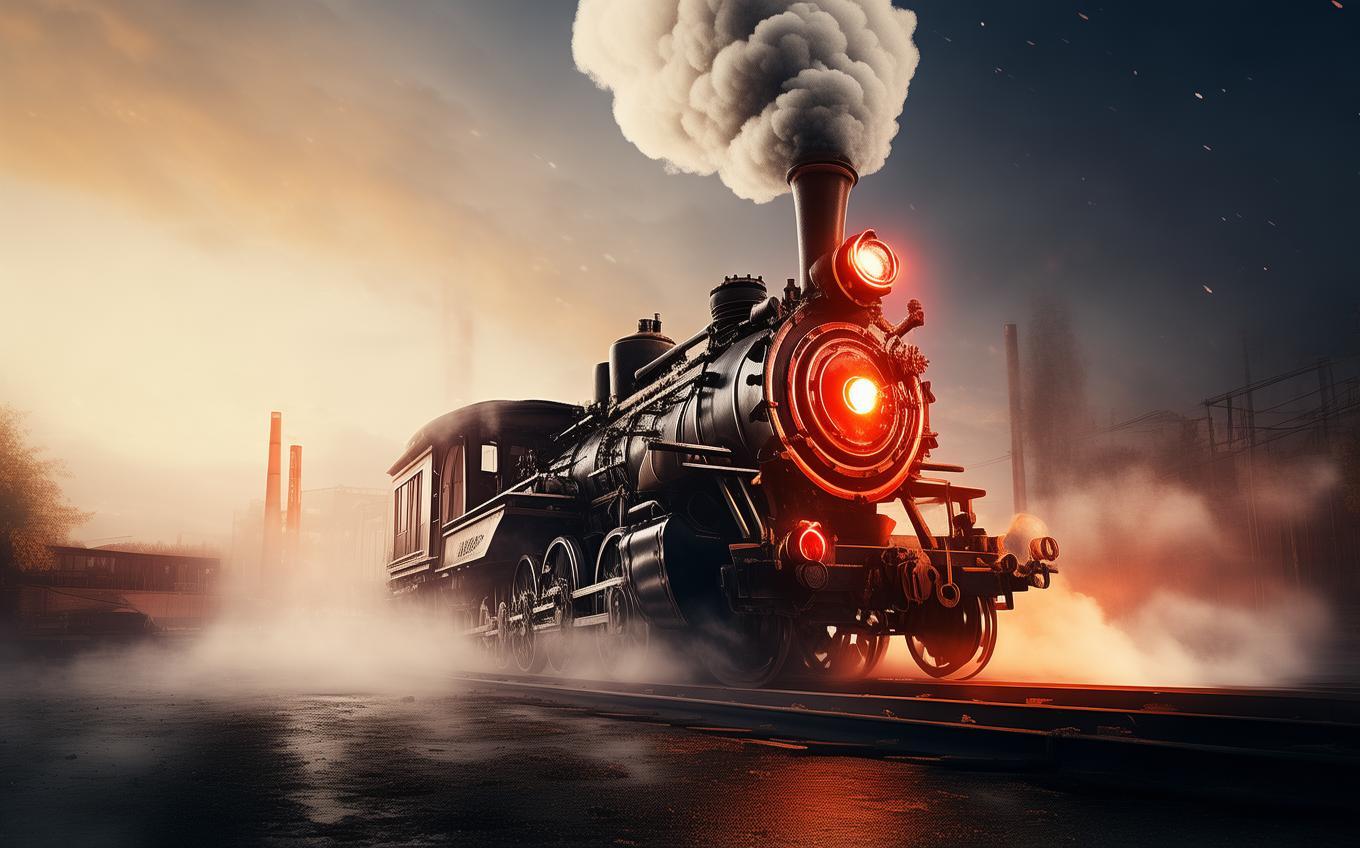
"动力" refers to the force or energy that propels action, whether:
1. Physical: Mechanical/engine power (e.g., 汽车的动力 = car's power).
2. Metaphorical: Inner motivation (e.g., 学习的动力 = motivation to study).
Nuances:
- Positive connotation (implies progress/energy).
- Often paired with verbs like 提供 (provide) or 失去 (lose).
Character Breakdown
- 动 (dòng): "Move" or "act."
- 力 (lì): "Force" or "strength."
Together, they symbolize "the force that makes things move."
3. Example Sentences
-
Chinese: 他的成功给了我很大的动力。
Pinyin: Tā de chénggōng gěi le wǒ hěn dà de dònglì.
English: His success gave me great motivation. -
Chinese: 这台机器的动力很强。
Pinyin: Zhè tái jīqì de dònglì hěn qiáng.
English: This machine has very strong power. -
Chinese: 没有动力的时候,听听音乐吧。
Pinyin: Méiyǒu dònglì de shíhou, tīng tīng yīnyuè ba.
English: When you lack motivation, try listening to music.
Cultural Notes
In Chinese workplaces/schools, "动力" is often discussed as a key to productivity. Phrases like 团队动力 (team motivation) or 自我动力 (self-drive) reflect cultural emphasis on collective and personal growth.
Conclusion
"动力" is a versatile word for both tangible power and inner drive. Remember: 动 (move) + 力 (force) = the energy that keeps you or machines going!




Comments (0)
No comments yet. Be the first to comment!