Understanding "关山月" - Chinese Word Explanation
1. Basic Information
- Word: 关山月
- Pinyin: Guān Shān Yuè
- Literal Meaning: "Frontier mountain moon"
- Primary Meaning: A poetic term referring to the moon shining over distant mountain passes, often symbolizing longing, separation, or the hardships of frontier life.
2. In-depth Explanation
-
Context and Usage:
"关山月" is a classical Chinese poetic phrase frequently used in literature and art to evoke a sense of solitude, nostalgia, or the vastness of nature. It often appears in poems, paintings, and music, particularly those depicting scenes of travelers, soldiers, or lovers separated by great distances. The imagery conveys both beauty and melancholy. -
Character Breakdown:
- 关 (Guān): "Frontier pass" or "gate." Historically, it refers to strategic mountain passes along China's borders.
- 山 (Shān): "Mountain." Represents natural barriers or remote landscapes.
- 月 (Yuè): "Moon." Symbolizes time, longing, and the passage of nights spent far from home.
3. Example Sentences
-
Chinese: 关山月下,思乡之情油然而生。
Pinyin: Guān Shān Yuè xià, sīxiāng zhī qíng yóurán'érshēng.
English: Under the frontier mountain moon, homesickness arises spontaneously. -
Chinese: 这幅画描绘了壮丽的关山月景。
Pinyin: Zhè fú huà miáohuì le zhuànglì de Guān Shān Yuè jǐng.
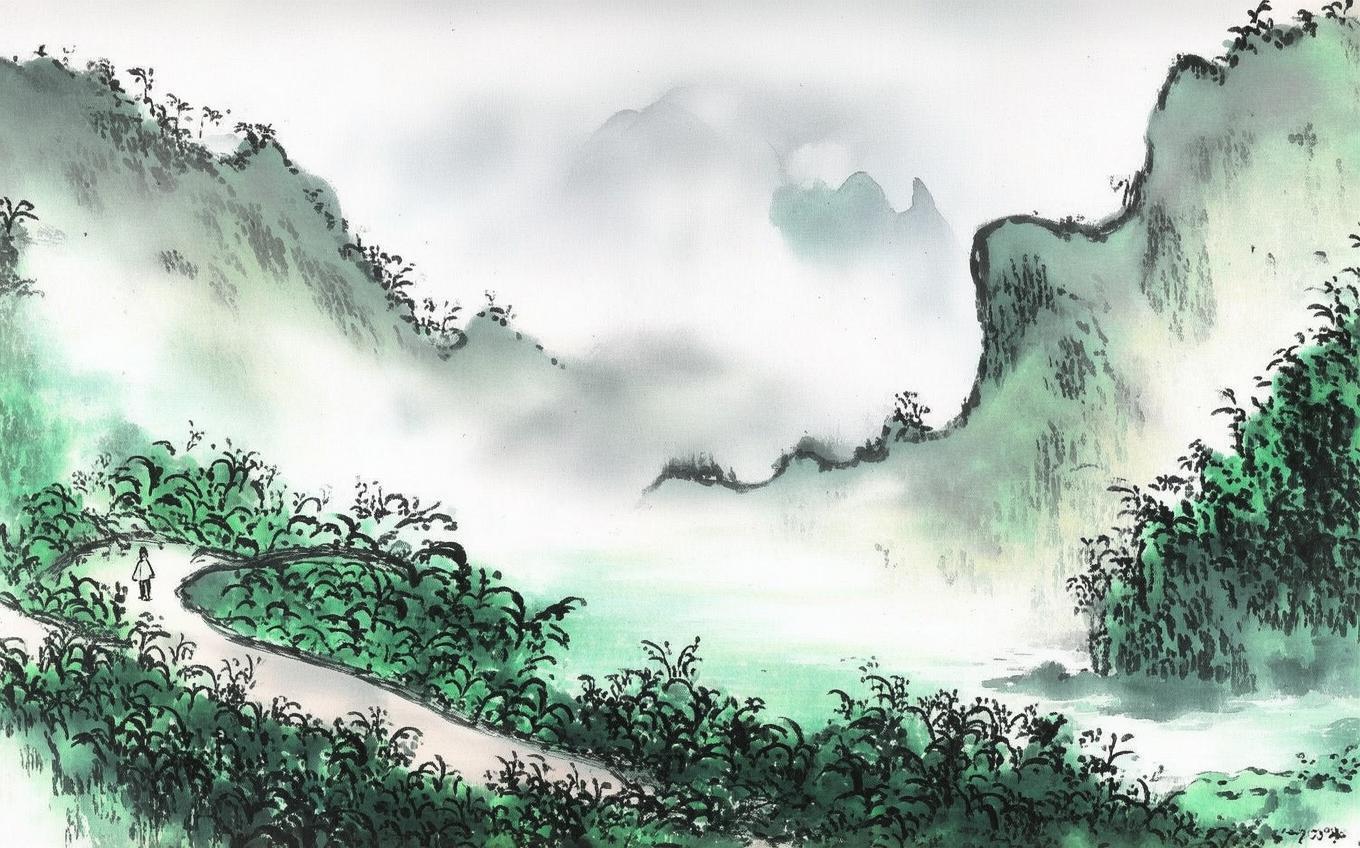
English: This painting depicts a magnificent scene of the moon over the frontier mountains. -
Chinese: 古诗中常用关山月表达离别之苦。
Pinyin: Gǔshī zhōng cháng yòng Guān Shān Yuè biǎodá líbié zhī kǔ.
English: Ancient poems often use "frontier mountain moon" to express the pain of separation.
Cultural Notes
"关山月" is deeply rooted in Chinese classical culture. It appears in famous poems, such as those by Li Bai (李白), and has inspired countless artworks. The phrase is also the title of a well-known guqin (古琴) piece and a traditional Chinese painting theme, reflecting the enduring aesthetic and emotional resonance of the imagery.
Conclusion
"关山月" (Guān Shān Yuè) is a evocative term blending natural beauty with human emotion, often symbolizing longing and the challenges of distant journeys. Remember it as a poetic expression of the moon illuminating the rugged frontier—a timeless motif in Chinese art and literature.

Comments (0)
No comments yet. Be the first to comment!