Understanding "积雨辋川庄作" - Chinese Word Explanation
1. Basic Information
- Word: 积雨辋川庄作
- Pinyin: Jī yǔ Wǎngchuān zhuāng zuò
- Literal Meaning: "Accumulated Rain at Wangchuan Villa – A Poem"
- Primary Meaning: This is the title of a famous Tang Dynasty poem by Wang Wei. It describes the serene and lush scenery of Wangchuan Villa after rain, reflecting the poet's deep connection with nature and his Buddhist-inspired tranquility.
2. In-depth Explanation
Context and Usage
"积雨辋川庄作" is not a standalone word but the title of a classical Chinese poem. It is used in literary and cultural discussions to refer to Wang Wei's work, which is celebrated for its pastoral beauty and meditative tone. The poem is often studied in Chinese literature courses or referenced when discussing Tang Dynasty poetry, landscape aesthetics, or Buddhist influences in art.
Character Breakdown
- 积雨 (jī yǔ): "Accumulated rain" – refers to continuous or lingering rainfall.
- 辋川 (Wǎngchuān): "Wangchuan" – the name of Wang Wei's countryside villa, located in present-day Shaanxi Province.
- 庄作 (zhuāng zuò): "Villa poem" – a literary work composed at the villa.
Together, the title sets the scene: a poetic reflection on the landscape of Wangchuan after rain.
3. Example Sentences
-
Chinese: 王维的《积雨辋川庄作》描绘了雨后辋川庄的宁静美景。
Pinyin: Wáng Wéi de 《Jī yǔ Wǎngchuān zhuāng zuò》 miáohùle yǔ hòu Wǎngchuān zhuāng de níngjìng měijǐng.
English: Wang Wei's "Accumulated Rain at Wangchuan Villa" depicts the tranquil beauty of Wangchuan Villa after the rain. -
Chinese: 这首诗体现了王维“诗中有画,画中有诗”的风格。
Pinyin: Zhè shǒu shī tǐxiànle Wáng Wéi “shī zhōng yǒu huà, huà zhōng yǒu shī” de fēnggé.
English: This poem reflects Wang Wei's style of "painting in poetry and poetry in painting." -
Chinese: 《积雨辋川庄作》是田园诗中的杰作。
Pinyin: 《Jī yǔ Wǎngchuān zhuāng zuò》 shì tiányuán shī zhōng de jiézuò.
English: "Accumulated Rain at Wangchuan Villa" is a masterpiece of pastoral poetry.
Cultural Notes
- Wang Wei (699–759 CE) was a renowned Tang Dynasty poet, painter, and musician, known for his Buddhist-inspired works.
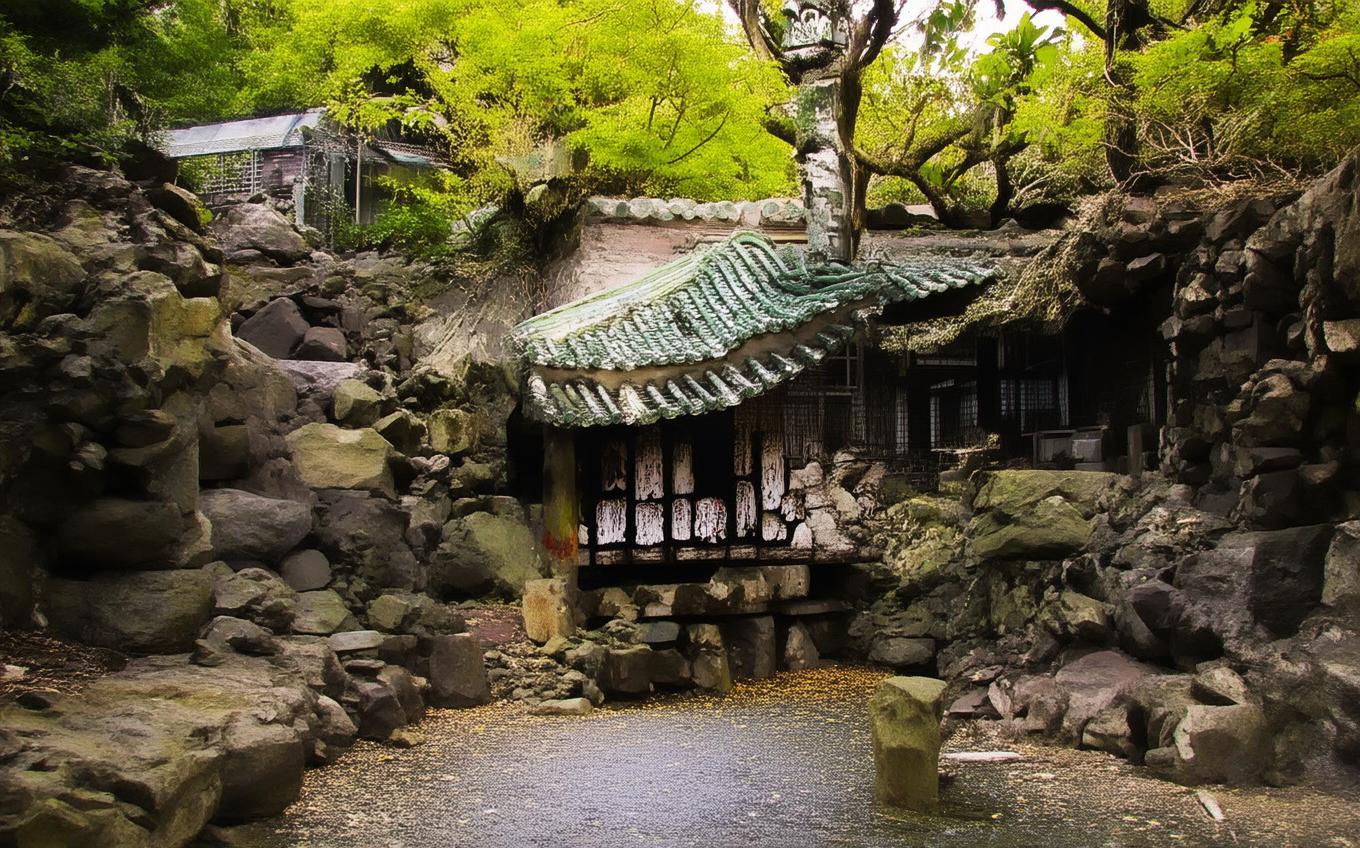
- The Wangchuan Villa was his retreat, where he composed many poems celebrating nature's harmony.
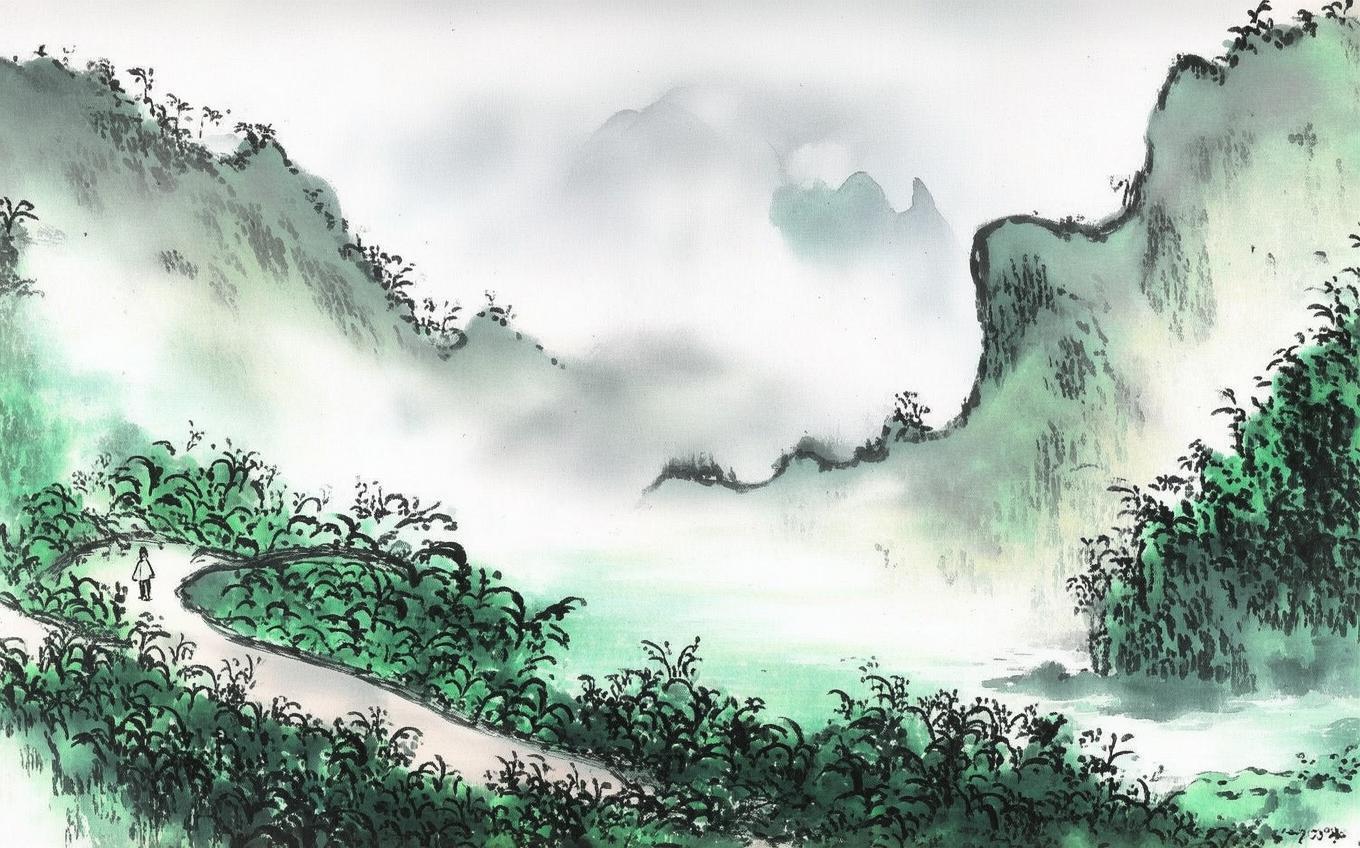
- The poem is part of the "Wangchuan Collection," a series of 20 poems pairing his verses with paintings of the villa's scenery.
Conclusion
"积雨辋川庄作" is a classic Chinese poem title that encapsulates Wang Wei's artistic vision of nature and tranquility. For learners, it represents an important piece of Tang Dynasty literature and a window into China's rich cultural heritage. Remembering this title can deepen your appreciation for classical Chinese poetry and its connection to landscape and philosophy.

Comments (0)
No comments yet. Be the first to comment!