
Understanding "天净沙·冬" - Chinese Word Explanation
1. Basic Information
- Word: 天净沙·冬
- Pinyin: Tiān Jìng Shā · Dōng
- Literal Meaning: "Sky-Clear Sand · Winter"
- Primary Meaning: This is the title of a classical Chinese poem written by the Yuan dynasty poet Ma Zhiyuan (马致远). It is part of a series of poems named "天净沙," each depicting a season. "冬" specifically refers to the winter scene described in the poem.
2. In-depth Explanation
- Context and Usage:
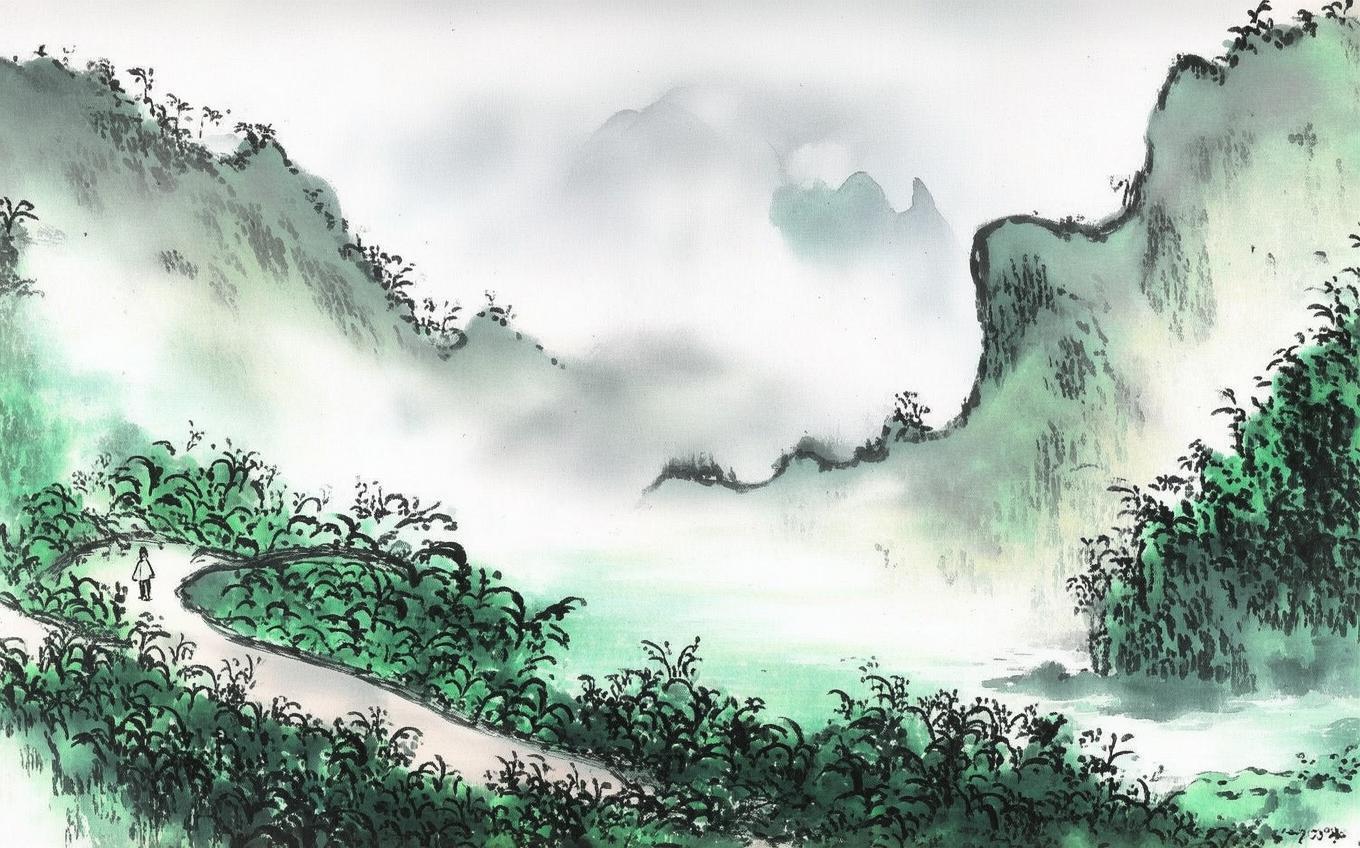
- "天净沙·冬" is a famous sanqu (散曲), a type of lyrical poetry from the Yuan dynasty. It paints a minimalist yet vivid picture of a winter landscape using stark imagery.
- The poem is often studied for its artistic use of language and its reflection of traditional Chinese aesthetics, where nature and emotion are deeply intertwined.
-
The title itself doesn’t have a standalone meaning outside the poem but evokes a sense of desolate winter beauty.
-
Character Breakdown:
- 天 (Tiān): Sky/heaven
- 净 (Jìng): Clear/pure
- 沙 (Shā): Sand (here, it likely refers to the poetic meter or a place name)
- 冬 (Dōng): Winter
3. Example Sentences
-
Chinese: 《天净沙·冬》是马致远的代表作之一。
Pinyin: "Tiān Jìng Shā · Dōng" shì Mǎ Zhìyuǎn de dàibiǎo zuò zhī yī.
English: "Tian Jing Sha · Winter" is one of Ma Zhiyuan’s representative works. -
Chinese: 这首诗描绘了冬天的凄凉景色。
Pinyin: Zhè shǒu shī miáohuì le dōngtiān de qīliáng jǐngsè.
English: This poem depicts the bleak scenery of winter. -
Chinese: 在《天净沙·冬》里,马致远用简练的语言表达了深沉的孤独感。
Pinyin: Zài "Tiān Jìng Shā · Dōng" lǐ, Mǎ Zhìyuǎn yòng jiǎnliàn de yǔyán biǎodá le shēnchén de gūdú gǎn.
English: In "Tian Jing Sha · Winter," Ma Zhiyuan uses concise language to express profound loneliness.
Cultural Notes
- The "天净沙" series is part of China’s rich literary tradition, where poets often used seasonal imagery to convey emotions or philosophical ideas.
- Winter in classical Chinese poetry often symbolizes hardship, solitude, or introspection, reflecting Confucian and Daoist influences.
- Ma Zhiyuan’s works are celebrated for their ability to capture the essence of a scene with minimal words, a hallmark of Chinese artistic expression.
Conclusion
"天净沙·冬" is not just a poem title but a window into classical Chinese literature and its deep connection with nature. For learners, understanding this piece enriches appreciation for Chinese culture’s poetic elegance and emotional depth. Remember, it’s a masterpiece of sanqu poetry, where every word carries weight!

Comments (0)
No comments yet. Be the first to comment!