Understanding "书湖阴先生壁" - Chinese Word Explanation
1. Basic Information
- Word: 书湖阴先生壁
- Pinyin: Shū Hú Yīn Xiānshēng bì
- Literal Meaning: "Inscribed on the wall of Mr. Huyin's house"
- Primary Meaning: This phrase refers to a famous poem by the Song Dynasty poet Wang Anshi (王安石), titled 《书湖阴先生壁》. It describes the act of writing or inscribing a poem on the wall of a scholar's residence, a common practice among ancient Chinese literati to express admiration or commemorate a visit.
2. In-depth Explanation
Context and Usage
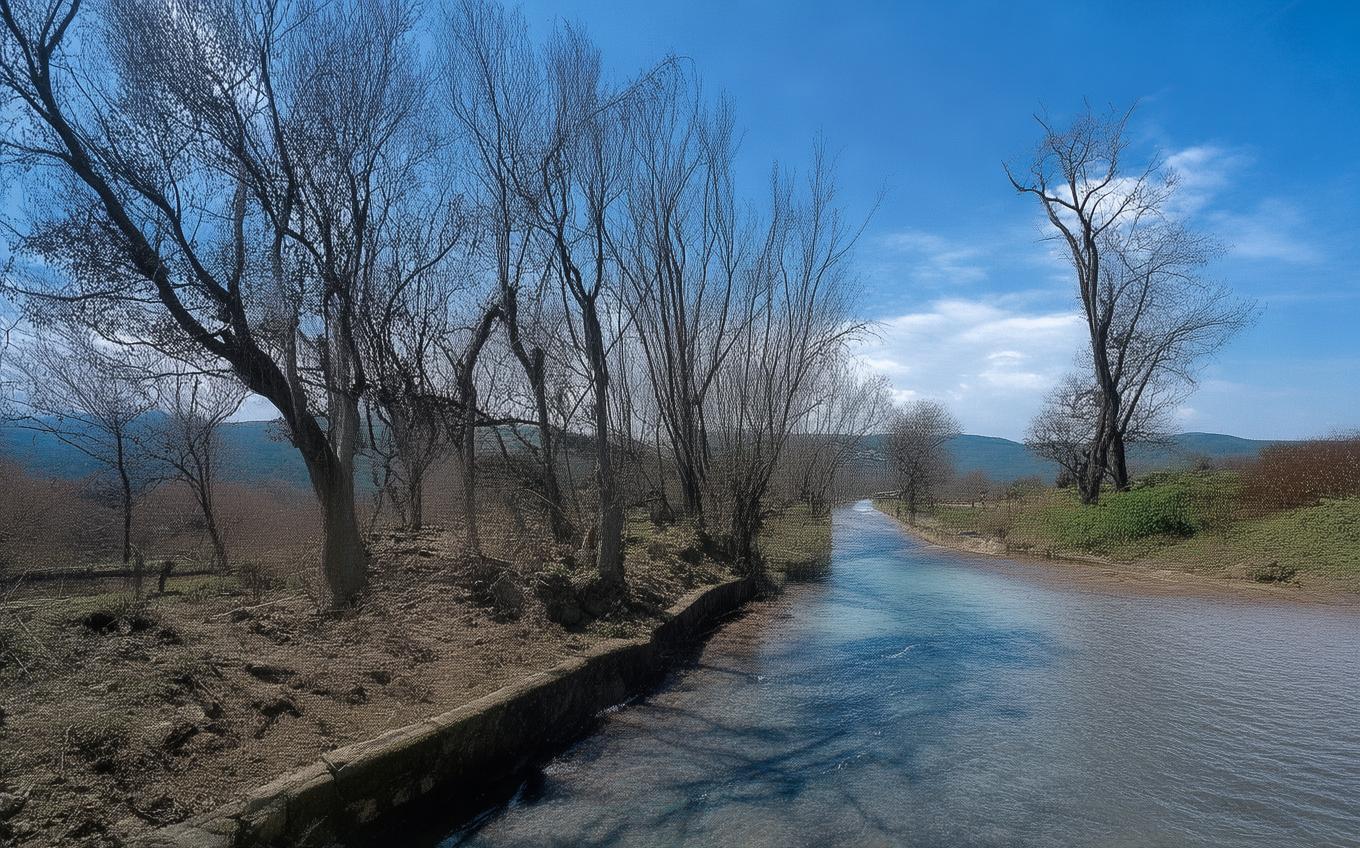
"书湖阴先生壁" is not a standalone word but the title of a poem. It reflects the cultural tradition of "题壁诗" (tí bì shī), where poets would write verses on walls, cliffs, or other surfaces to share their thoughts or leave a mark of their visit. The poem itself praises the serene and harmonious life of Mr. Huyin, a recluse or scholar, and the beauty of his surroundings.
In modern usage, the phrase might be referenced in literary discussions or when studying classical Chinese poetry. It symbolizes the elegance of scholarly exchange and the appreciation of nature in traditional Chinese culture.
Character Breakdown
- 书 (shū): "to write" or "inscribe."
- 湖阴 (Hú Yīn): Literally "lake shade," but here it refers to the name of a person, "Mr. Huyin."
- 先生 (xiānshēng): A respectful term for a learned man or teacher, akin to "Mr." or "master."
- 壁 (bì): "wall."
Together, the phrase means "inscribed on the wall of Mr. Huyin."
3. Example Sentences
-
Chinese: 王安石的诗《书湖阴先生壁》描绘了田园生活的美好。
Pinyin: Wáng Ānshí de shī 《Shū Hú Yīn Xiānshēng bì》 miáohuìle tiányuán shēnghuó de měihǎo.
English: Wang Anshi's poem "Inscribed on the Wall of Mr. Huyin" depicts the beauty of rural life. -
Chinese: 古代诗人常以题壁诗表达情感,《书湖阴先生壁》就是其中之一。
Pinyin: Gǔdài shīrén cháng yǐ tíbì shī biǎodá qínggǎn, 《Shū Hú Yīn Xiānshēng bì》 jiùshì qízhōng zhī yī.
English: Ancient poets often expressed their emotions through wall inscriptions, and "Inscribed on the Wall of Mr. Huyin" is one of them. -
Chinese: 这幅书法作品写的是《书湖阴先生壁》的第一句。
Pinyin: Zhè fú shūfǎ zuòpǐn xiě de shì 《Shū Hú Yīn Xiānshēng bì》 de dì yī jù.
English: This calligraphy piece writes the first line of "Inscribed on the Wall of Mr. Huyin."
Cultural Notes
The practice of writing poems on walls (题壁诗) was a way for scholars to share their work publicly before the printing press was widespread. It also served as a form of social interaction among intellectuals. Wang Anshi's poem reflects the Confucian ideal of harmony between humans and nature, a recurring theme in classical Chinese literature.
Conclusion
"书湖阴先生壁" is a poetic title that encapsulates the tradition of inscribing verses on walls in ancient China. It represents the intersection of literature, friendship, and nature appreciation in Chinese culture. For learners, understanding this phrase offers a glimpse into the rich world of classical Chinese poetry and scholarly customs.

Comments (0)
No comments yet. Be the first to comment!