Understanding "梅花" - Chinese Word Explanation
1. Basic Information
- Word: 梅花
- Pinyin: méi huā
- Literal Meaning: "plum blossom" (梅 = plum, 花 = flower)
- Primary Meaning: The flower of the plum tree, often symbolizing resilience and beauty in Chinese culture.
2. In-depth Explanation
- Context and Usage:
- "梅花" refers specifically to the blossoms of the plum tree (Prunus mume), which bloom in late winter or early spring, often in cold weather.
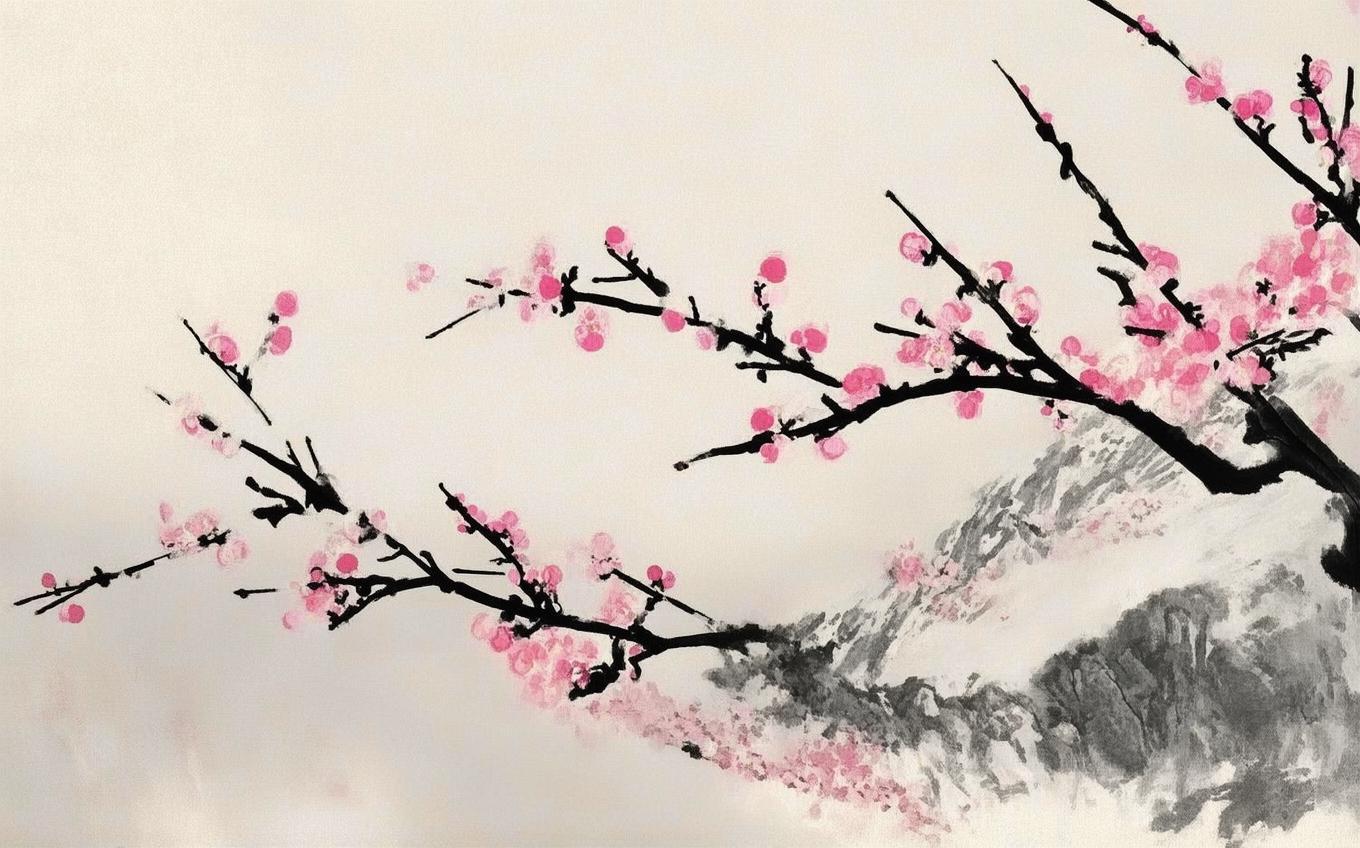
- It is a common subject in Chinese poetry, painting, and symbolism, representing perseverance, hope, and elegance.
-
The word can be used literally to describe the flower or metaphorically to represent noble character.
-
Character Breakdown:
- 梅 (méi): Plum (tree or fruit).
- 花 (huā): Flower. Together, they form "plum blossom."
3. Example Sentences
-
Chinese: 冬天来了,梅花开了。
Pinyin: Dōngtiān lái le, méihuā kāi le.
English: Winter has come, and the plum blossoms have bloomed. -
Chinese: 她喜欢画梅花,因为它们很美丽。
Pinyin: Tā xǐhuān huà méihuā, yīnwèi tāmen hěn měilì.
English: She likes to paint plum blossoms because they are very beautiful. -
Chinese: 梅花象征着坚强和不屈的精神。
Pinyin: Méihuā xiàngzhēng zhe jiānqiáng hé bùqū de jīngshén.
English: Plum blossoms symbolize strength and an unyielding spirit.
Cultural Notes
- Plum blossoms are one of the "Four Gentlemen" (四君子) in Chinese art, alongside orchids, bamboo, and chrysanthemums.
- They are celebrated for blooming in harsh winter conditions, representing resilience and hope.
- The plum blossom is also the national flower of the Republic of China (Taiwan).
Conclusion
"梅花" (méi huā) is more than just a flower—it embodies cultural values of perseverance and beauty. Whether used literally or symbolically, it’s a word rich with meaning in Chinese tradition. Remember it as the "plum blossom," a symbol of strength in adversity.

Comments (0)
No comments yet. Be the first to comment!