Analysis of "汉宫秋·梅花酒" - Classical Chinese Poetry
Introduction
"汉宫秋·梅花酒" (Hàn Gōng Qiū·Méi Huā Jiǔ, "Autumn in Han Palace·Plum Blossom Wine") is a famous sanqu (散曲) poem from the Yuan Dynasty (1271–1368), written by the renowned poet Ma Zhiyuan (马致远). Sanqu was a popular form of lyric poetry during the Yuan Dynasty, often set to music and performed in operas.
Ma Zhiyuan is celebrated as one of the "Four Great Yuan Playwrights," and his works often explore themes of solitude, nostalgia, and the passage of time. "汉宫秋·梅花酒" is a melancholic reflection on lost love and imperial decline, using vivid natural imagery to convey deep emotion.
The Poem: Full Text and Translation
汉宫秋·梅花酒
Hàn Gōng Qiū·Méi Huā Jiǔ
Autumn in Han Palace·Plum Blossom Wine想秦宫汉阙,都做了衰草牛羊野。
Xiǎng Qín gōng Hàn què, dōu zuò le shuāi cǎo niú yáng yě.
Thinking of Qin palaces and Han towers, now all turned to wild grass, where cattle and sheep graze.不恁渔樵无话说。
Bù nèn yú qiáo wú huà shuō.
If not for this, fishermen and woodcutters would have no tales to tell.纵荒坟横断碑,不辨龙蛇。
Zòng huāng fén héng duàn bēi, bù biàn lóng shé.
Even the broken steles lie across desolate graves, their inscriptions—dragons and snakes—now unreadable.投至狐踪与兔穴,多少豪杰!
Tóu zhì hú zōng yǔ tù xué, duō shǎo háo jié!
Until foxes and hares make their dens—how many heroes have come and gone!
Line-by-Line Analysis
-
"想秦宫汉阙,都做了衰草牛羊野。"
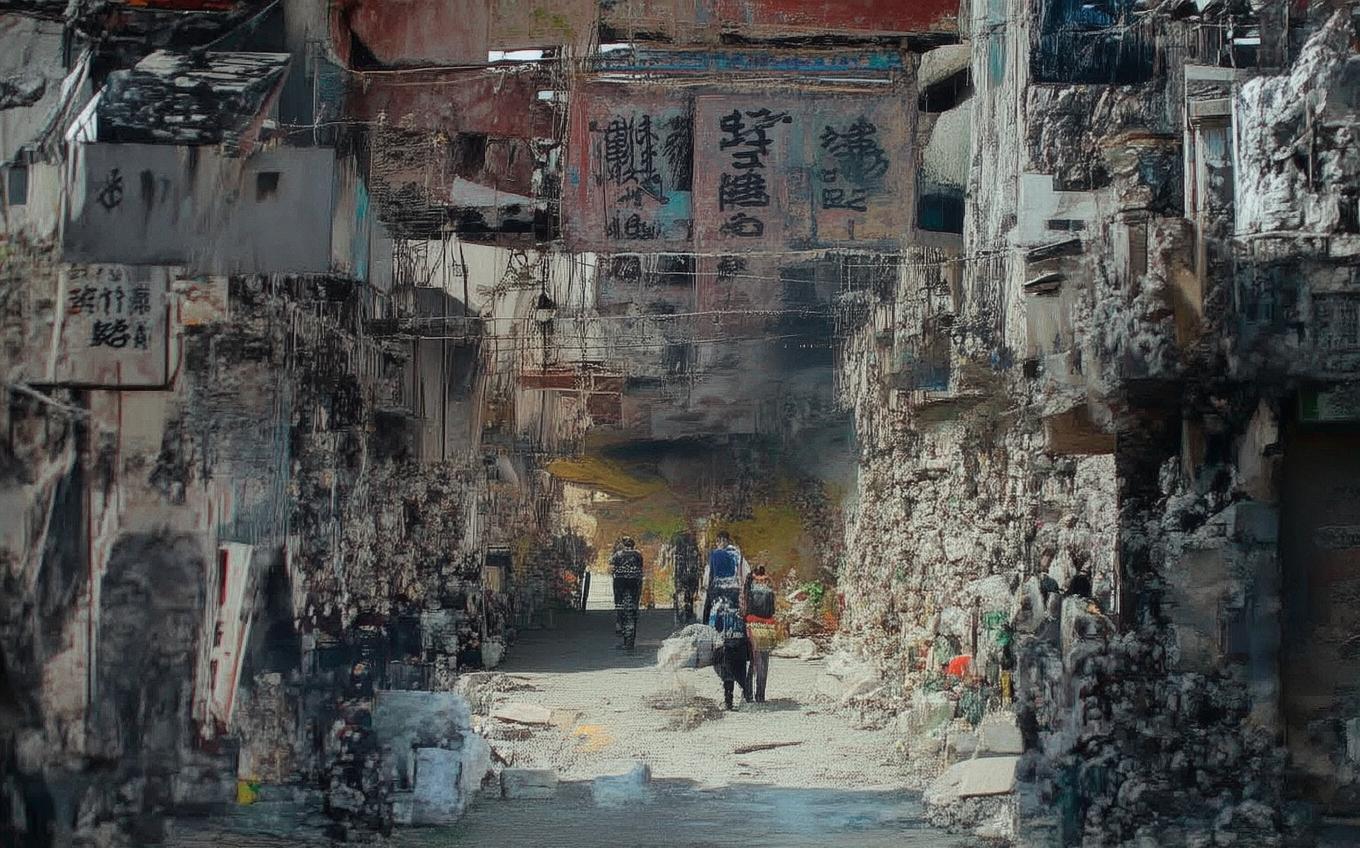
The poem opens with a reflection on the ruins of the Qin and Han dynasties, once glorious but now overgrown with weeds and used as grazing land. This imagery contrasts past grandeur with present decay, emphasizing the impermanence of power. -
"不恁渔樵无话说。"
The poet suggests that without these ruins, the common folk (fishermen and woodcutters) would have no stories to tell. This line highlights how history lives on in oral tradition, even as physical remnants fade. -
"纵荒坟横断碑,不辨龙蛇。"
Broken tombstones and unreadable inscriptions symbolize forgotten legacies. "Dragons and snakes" (龙蛇) may refer to both the carvings on the steles and the once-great figures they commemorated. -
"投至狐踪与兔穴,多少豪杰!"
The final lines lament how even the greatest heroes are eventually forgotten, their resting places overtaken by wild animals. The exclamation underscores the futility of earthly glory.
Themes and Symbolism
- Transience of Power: The poem contrasts the might of ancient dynasties with their eventual ruin, reflecting on the fleeting nature of human achievements.
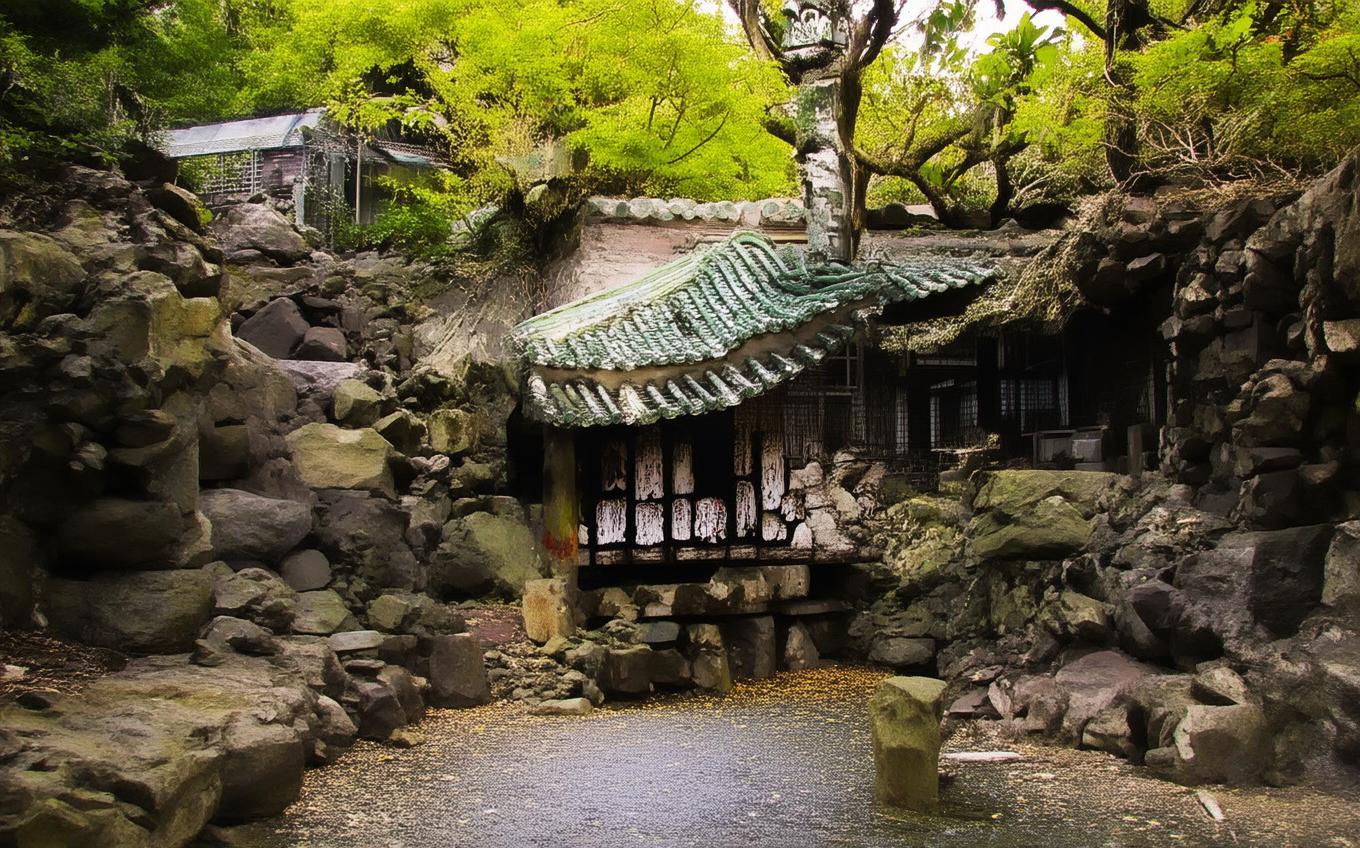
- Nature’s Reclamation: The imagery of weeds, wild animals, and crumbling monuments shows nature reclaiming man-made structures, reinforcing themes of impermanence.
- Memory and Storytelling: The reference to fishermen and woodcutters suggests that history survives only in fragments, passed down through generations in tales.
Cultural Context
During the Yuan Dynasty, many Han Chinese scholars lamented the fall of previous dynasties, particularly the Han and Tang, which were seen as cultural golden ages. Ma Zhiyuan’s poem reflects this nostalgia, blending historical reflection with personal melancholy.
The sanqu form allowed poets to express emotion more freely than classical shi (诗) poetry, often using colloquial language and vivid imagery. "汉宫秋·梅花酒" exemplifies this style, blending sorrow with striking natural metaphors.
Conclusion
"汉宫秋·梅花酒" is a poignant meditation on time, memory, and the inevitable decline of even the greatest empires. Its vivid imagery and emotional depth make it a masterpiece of Yuan Dynasty poetry. Today, the poem resonates as a reminder of the cyclical nature of history and the enduring power of storytelling to preserve the past.
For readers exploring Chinese literature, Ma Zhiyuan’s work offers a window into the philosophical and aesthetic values of classical poetry—where beauty and sorrow intertwine in the face of time’s passage.

Comments (0)
No comments yet. Be the first to comment!