
Analysis of "桃花扇·余韵" - Classical Chinese Poetry
Introduction
"桃花扇·余韵" (The Peach Blossom Fan: Lingering Melody) is a famous scene from the classical Chinese opera The Peach Blossom Fan (桃花扇), written by Kong Shangren (孔尚任) during the early Qing Dynasty (1644–1912). This opera is a masterpiece of Chinese drama, blending historical events with romantic tragedy. Set against the fall of the Ming Dynasty, it tells the story of two lovers, Hou Fangyu (侯方域) and Li Xiangjun (李香君), whose fate is intertwined with the political turmoil of the era.
"余韵" (Lingering Melody) is the final scene, where the surviving characters reflect on the transience of life and the futility of worldly attachments. The poetry in this section is deeply melancholic, embodying themes of loss, remembrance, and the passage of time.
The Poem: Full Text and Translation
Below is an excerpt from "桃花扇·余韵," followed by a translation:
眼看他起朱楼,
Yǎn kàn tā qǐ zhū lóu,
Watching him build a grand mansion,眼看他宴宾客,
Yǎn kàn tā yàn bīn kè,
Watching him feast his guests,眼看他楼塌了。
Yǎn kàn tā lóu tā le.
Watching his mansion collapse.这青苔碧瓦堆,
Zhè qīng tái bì wǎ duī,
This pile of moss-covered tiles,俺曾睡风流觉。
Ǎn céng shuì fēngliú jué.
Was once where I dreamed romantic dreams.将五十年兴亡看饱。
Jiāng wǔshí nián xīngwáng kàn bǎo.
I’ve witnessed fifty years of rise and fall.
Line-by-Line Analysis
-
"Watching him build a grand mansion"
- The speaker observes the fleeting nature of wealth and power. The "grand mansion" symbolizes worldly success, which is temporary. -
"Watching him feast his guests"
- The feasting represents prosperity and social status, but it is short-lived. -
"Watching his mansion collapse"
- The inevitable decline—no matter how grand the achievements, they eventually crumble. -
"This pile of moss-covered tiles"
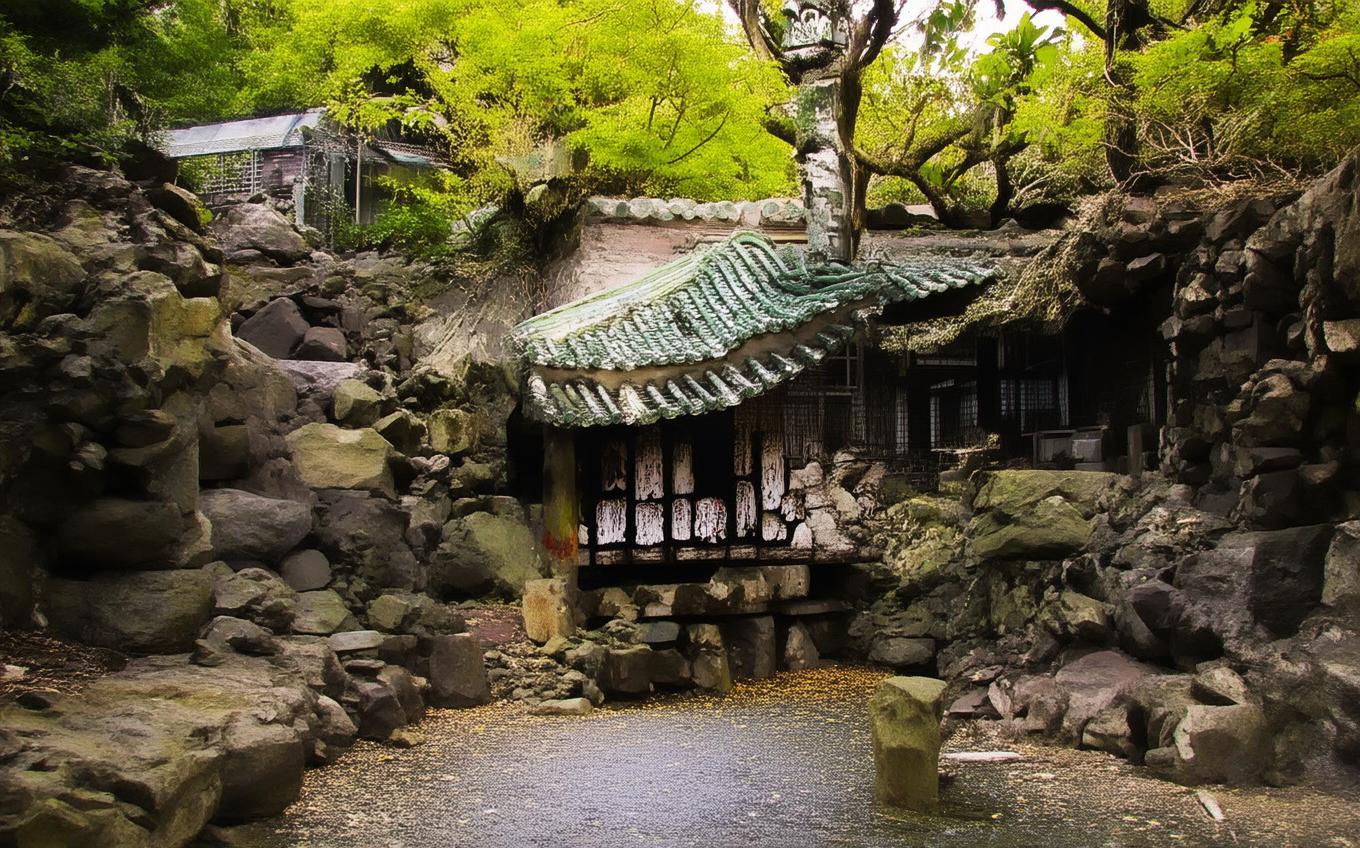
- The ruins are now overgrown, emphasizing nature reclaiming human endeavors. -
"Was once where I dreamed romantic dreams"
- A nostalgic reflection on lost youth and love, contrasting past joy with present decay. -
"I’ve witnessed fifty years of rise and fall"
- The speaker has seen dynasties change, reinforcing the theme of impermanence.
Themes and Symbolism
1. Impermanence (无常, Wúcháng)
The poem captures the Buddhist concept of impermanence—everything, from personal fortunes to empires, is transient.
2. Nostalgia and Loss
The ruins evoke memories of past happiness, making the present desolation more poignant.
3. The Cycle of History
The "fifty years of rise and fall" mirrors China’s dynastic cycles, where power shifts but human folly remains constant.
Key Symbols
- The Mansion → Human ambition and its inevitable decline.
- Moss-Covered Tiles → The passage of time erasing human traces.
- Feasts and Collapse → The fleeting nature of glory.
Cultural Context
Kong Shangren wrote The Peach Blossom Fan in the early Qing Dynasty, shortly after the Ming Dynasty's fall. The opera critiques the corruption and infighting that led to the Ming's collapse, using the love story of Hou Fangyu and Li Xiangjun as a metaphor for the nation’s tragedy.
"余韵" serves as an epilogue, where survivors—now monks and hermits—reflect on the futility of political struggles. This aligns with Daoist and Buddhist philosophies, which emphasize detachment from worldly affairs.
Conclusion
"桃花扇·余韵" is a meditation on the ephemeral nature of life and power. Its beauty lies in its simplicity—just a few lines convey profound sorrow and wisdom. The poem remains relevant today, reminding us that glory is fleeting, and history often repeats itself.
For modern readers, it offers a timeless lesson: while we may chase wealth and status, true meaning lies in understanding life’s impermanence and cherishing the present.
Would you like further analysis on another section of The Peach Blossom Fan? Let me know in the comments!

Comments (0)
No comments yet. Be the first to comment!