Analysis of "牡丹亭·游园" - Classical Chinese Poetry
Introduction
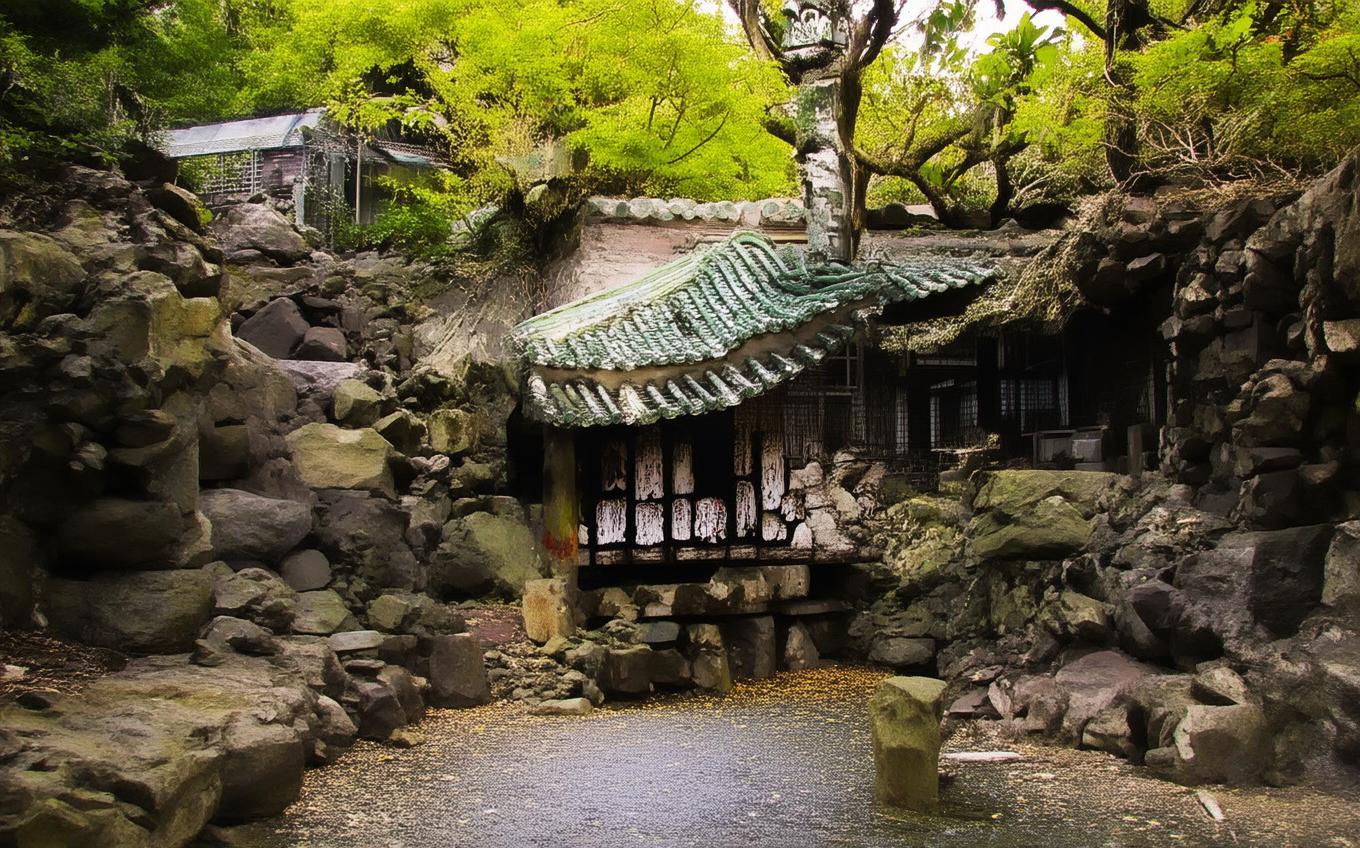
"牡丹亭·游园" (Mǔdān Tíng·Yóu Yuán, The Peony Pavilion: Wandering in the Garden) is one of the most famous scenes from The Peony Pavilion, a masterpiece of Chinese opera written by Tang Xianzu (1550–1616) during the Ming Dynasty. This lyrical drama tells the story of Du Liniang, a young woman who dreams of a scholar and dies of lovesickness, only to be resurrected by love.
The "Wandering in the Garden" scene is a poetic soliloquy where Du Liniang expresses her longing for love and beauty while wandering through a spring garden. It is celebrated for its exquisite imagery, emotional depth, and philosophical reflections on youth, love, and mortality.
The Poem: Full Text and Translation
Excerpt from "牡丹亭·游园"
【皂罗袍】
[Zào luó páo]
(Tune: "Silk-Robed Priest")原来姹紫嫣红开遍
[Yuánlái chà zǐ yān hóng kāi biàn]
So many splendid flowers bloom unseen,似这般都付与断井颓垣
[Sì zhè bān dōu fù yǔ duàn jǐng tuí yuán]
And all for the dry well and crumbling wall.良辰美景奈何天
[Liáng chén měi jǐng nài hé tiān]
What to do with such fine day and view rare?赏心乐事谁家院
[Shǎng xīn lè shì shuí jiā yuàn]
Whose house could boast of joy and pleasure fair?朝飞暮卷,云霞翠轩
[Zhāo fēi mù juǎn, yún xiá cuì xuān]
Morning breeze and evening rain,
Fine towers in rosy clouds,雨丝风片,烟波画船
[Yǔ sī fēng piàn, yān bō huà chuán]
The drizzle wetting the breeze’s vein,
The painted boat in waves amid the misty shrouds.锦屏人忒看的这韶光贱
[Jǐn píng rén tè kàn de zhè sháo guāng jiàn]
How could the rich and mighty know
The value of spring’s fleeting glow?
Line-by-Line Analysis
-
"原来姹紫嫣红开遍"
- The garden is in full bloom, yet Du Liniang feels melancholy because its beauty is unnoticed.
- Symbolism: The vibrant flowers represent youth and passion, but their neglect mirrors her own unfulfilled desires. -
"似这般都付与断井颓垣"
- The "dry well and crumbling wall" symbolize decay and wasted potential.
- Emotion: Frustration that such beauty is unappreciated. -
"良辰美景奈何天"
- A rhetorical lament: "What is the use of such a perfect day?"
- Philosophy: Reflects the Confucian idea that beauty and joy are fleeting. -
"赏心乐事谁家院"
- She questions who truly enjoys life’s pleasures, hinting at her own loneliness. -
"朝飞暮卷,云霞翠轩"
- The imagery shifts to natural beauty—morning clouds, evening rain—yet she remains detached. -
"雨丝风片,烟波画船"
- The delicate drizzle and misty lake evoke a dreamlike atmosphere, foreshadowing her later dream of love. -
"锦屏人忒看的这韶光贱"
- A critique of the wealthy who take spring’s beauty for granted.
- Theme: The contrast between material wealth and spiritual fulfillment.
Themes and Symbolism
1. Transience of Youth and Beauty
- The flowers symbolize Du Liniang’s own fleeting youth.
- The "dry well" suggests wasted opportunities.
2. Longing and Unfulfilled Desire
- Her soliloquy expresses deep yearning for love and meaning.
3. Nature as a Mirror of Emotion
- The garden reflects her inner turmoil—beautiful yet melancholic.
4. Critique of Social Constraints
- The "rich and mighty" (锦屏人) represent societal indifference to true passion.
Cultural Context
- Ming Dynasty (1368–1644): A time of strict Confucian morals, where women’s emotions were often suppressed.
- Kunqu Opera: The Peony Pavilion is a pinnacle of Kunqu, blending poetry, music, and drama.
- Philosophical Influence: Combines Confucian duty, Daoist naturalism, and Buddhist ideas of illusion and reality.
Conclusion
"牡丹亭·游园" is a timeless meditation on love, beauty, and the human condition. Tang Xianzu’s lyrical genius captures the ache of unfulfilled longing while celebrating the ephemeral beauty of life. For modern readers, it remains a poignant reminder to cherish fleeting moments of joy—a universal message that transcends time and culture.
"What to do with such fine day and view rare?" Perhaps the answer lies in truly seeing, feeling, and embracing the world before it fades.

Comments (0)
No comments yet. Be the first to comment!